How does the avionics system ensure the Falcon 9’s rocket stages separate at the correct time?
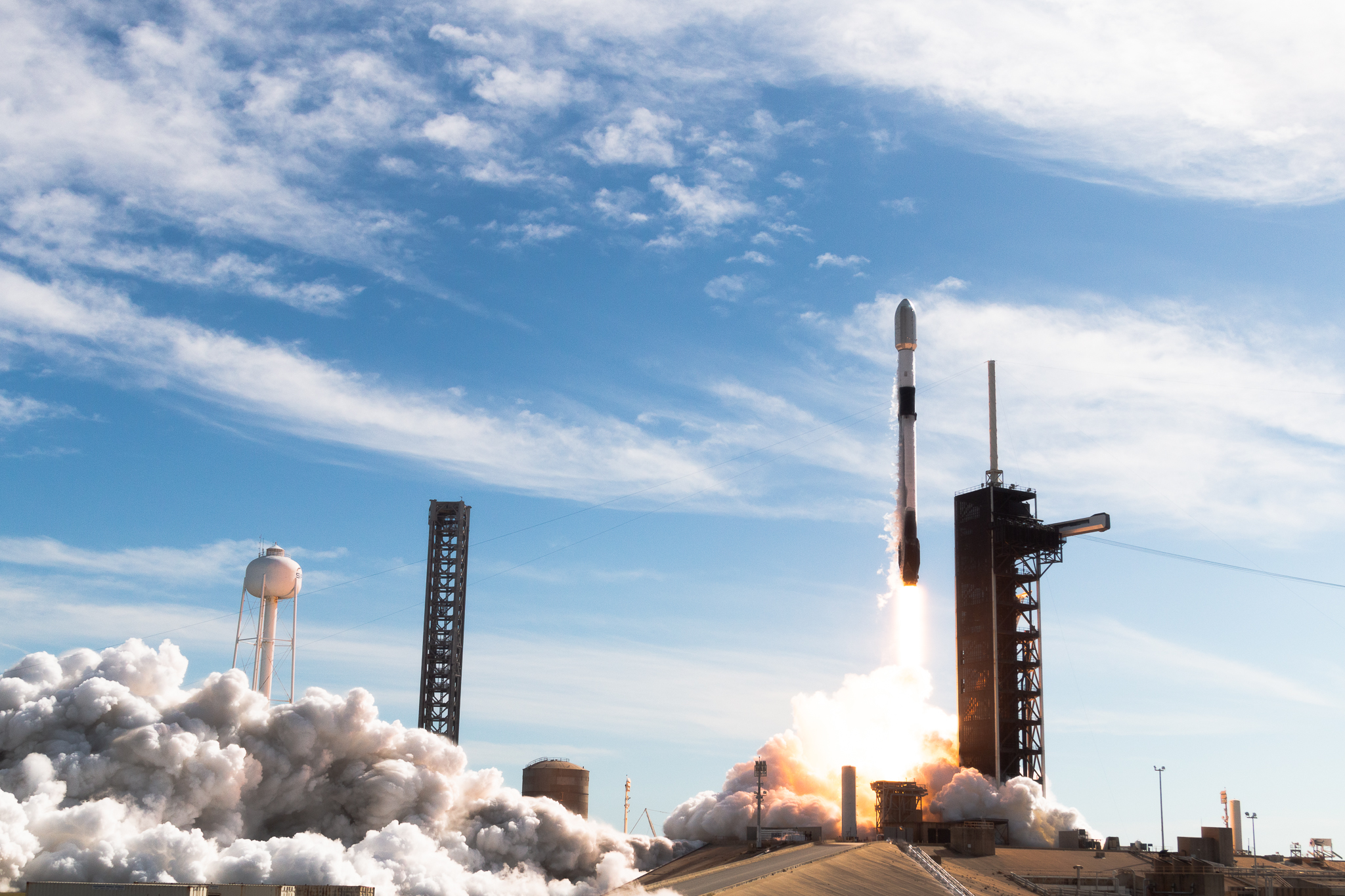
Hello, space lovers! 🌟 Today, we’re diving deep into one of the most crucial aspects of rocket launches—the avionics system of the Falcon 9. This system plays a vital role in ensuring that the rocket stages separate at precisely the right moments during flight. Timing is everything in space, and understanding how this complex mechanism operates will give you a new appreciation for this aerospace marvel! 🚀
First off, let’s establish what avionics actually means. The term refers to the electronic systems used in aircraft, artificial satellites, and spacecraft. In the Falcon 9's context, avionics encompass everything from guidance and navigation to communication and control systems. This sophisticated suite of technologies ensures that all rocket functions operate seamlessly and is essential for the mission’s success—after all, a split-second delay or early separation can lead to catastrophic results! 😱
One of the key components of the Falcon 9 avionics system is the Flight Computer. This onboard computer is programmed with specific flight parameters that dictate when and how stages should separate. For the Falcon 9, the first stage fires for approximately 2 minutes and 33 seconds, reaching a speed exceeding 2,500 miles per hour (4,023 km/h). At this point, the avionics system takes over to assess a variety of parameters in real time, including altitude, speed, and engine performance. 🚀
The Falcon 9’s avionics utilize a sophisticated algorithm designed to calculate the precise moment to initiate separation. This is often referred to as the “SECO” or Second Engine Cut Off. To ensure that the split is executed correctly, the avionics system engages in constant monitoring. Multiple sensors relay data back to the flight computer, which processes this information and makes instantaneous calculations. In less than a second, decisions are made that guide the rocket’s actions! ⚙️
Moreover, the system incorporates a "redundancy" principle, meaning it has backup sensors and computing units. This design is crucial to maintaining reliability; if one part of the system fails, the others ensure the mission can still be executed smoothly. The redundancy in avionics systems is a hallmark of modern aerospace engineering, providing an extra layer of confidence to mission control teams.
After stage separation, the avionics system continues to monitor and control the rocket's trajectory. It optimizes the performance of the second stage and adjusts its engines as needed. The Falcon 9 typically achieves stage separation at around 10 minutes into the flight, well into the upper atmosphere, allowing the payload to continue its journey towards orbit. 🌍
To date, SpaceX has successfully launched and landed over 200 Falcon 9 missions, thanks in large part to its cutting-edge avionics system designed for precision and reliability. This technological sophistication not only enhances mission success rates but also contributes to SpaceX's ongoing quest to make space travel more routine and accessible.
In conclusion, the avionics system of the Falcon 9 is an intricate and beautifully designed element that ensures accurate stage separation at the right moments, enabling successful missions time after time. Isn’t it incredible how much advanced tech goes into making space travel a reality? 🌌
What are your thoughts on the Falcon 9's technology? Let’s hear your opinions below! Until next time, keep reaching for the stars! ✨
#SpaceX #Falcon9 #Avionics #RocketScience #SpaceExploration
image credit: SpaceX