How does Super Heavy’s grid fin aerodynamic control compare to Falcon 9’s fins?
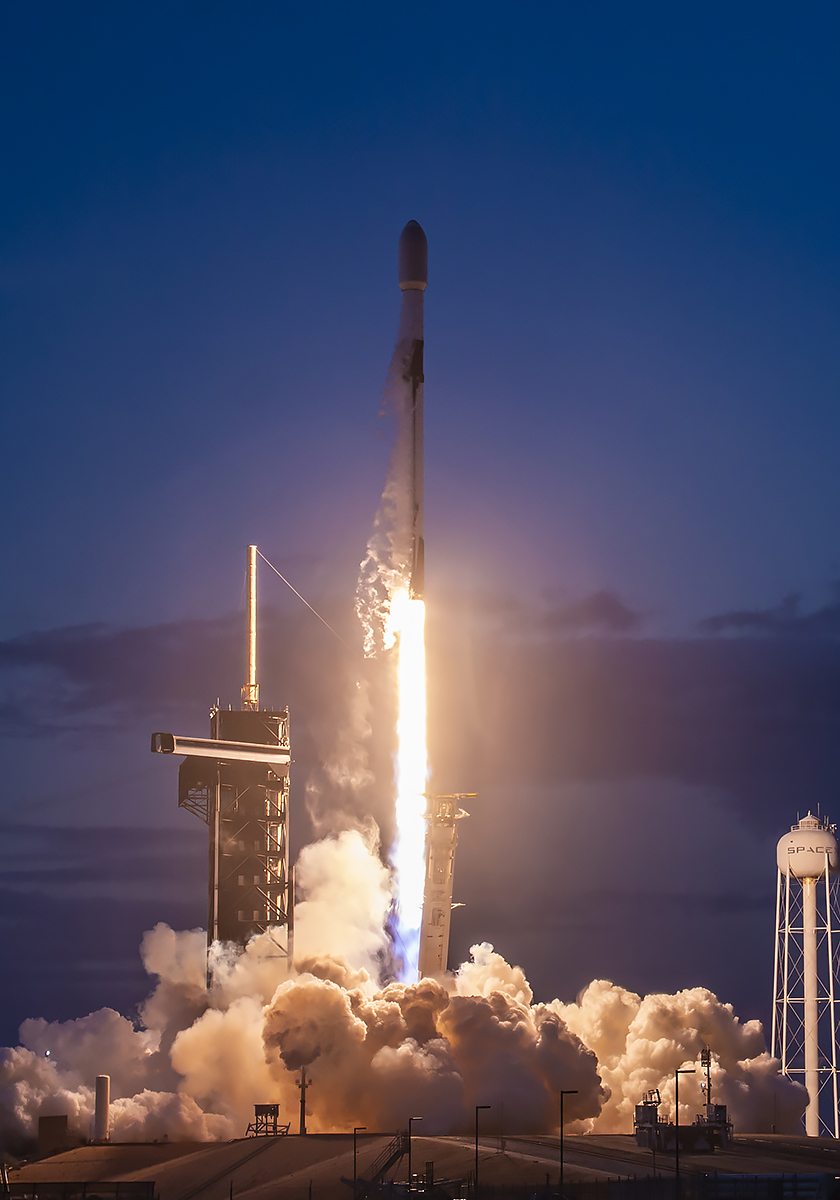
Hey there, Rocket Enthusiasts! 🚀 Ever wondered about the subtle yet significant differences between the aerodynamic control systems of SpaceX's rockets? Specifically, let's compare Super Heavy's grid fins with those on the Falcon 9. It's all about control, precision, and landing those boosters! 🎯
The Falcon 9, with its iconic landings, uses four aerodynamic grid fins placed near the top of the first stage. These fins are relatively small but mighty, providing essential control during the booster's descent back to Earth. Each fin is independently actuated, allowing for precise adjustments to the booster's trajectory. Fun fact: Falcon 9's fins are made of titanium for heat resistance and strength. 💪
Super Heavy, being significantly larger and more powerful than Falcon 9, requires a different approach. Its grid fins are substantially larger and more robust. These larger grid fins are necessary to counteract Super Heavy's increased size and weight, providing the necessary control during its descent. The force needed to steer scales with the vehicle's mass and speed, hence the necessity for bigger fins. 🏋️♀️
One key difference lies in the environment each rocket operates in during descent. Falcon 9 typically re-enters the atmosphere at lower speeds compared to Super Heavy. Super Heavy, designed for interplanetary missions, may re-enter at higher velocities, thus experiencing higher dynamic pressures. Its larger grid fins can handle those intense forces with more stability and precision. This is crucial because at Mach 3, the dynamic pressure is nine times greater than at Mach 1. 💨
Another factor is the landing profile. Falcon 9 is known for its precise landings on drone ships or landing pads. Super Heavy, on the other hand, is intended to perform more complex maneuvers, including potentially catching the booster with the launch tower's robotic arms. This requires even finer control, necessitating the advanced design and size of its grid fins. 🤖
The grid fins on Super Heavy also likely incorporate lessons learned from Falcon 9. For example, the Super Heavy fins may feature improved materials or actuation systems to enhance performance and reliability. SpaceX continually refines its designs based on flight data and experience, optimizing each system for maximum effectiveness. 📈
The surface area of the Super Heavy grid fins is considerably larger than Falcon 9. This allows for a greater control authority in denser atmospheric conditions. Think of it like a larger rudder on a ship; it can exert more force to change direction. The increase in surface area is proportional to the increase in control authority which is essential for stable and precise landings. 📐
To sum it up, while both rockets utilize grid fins for aerodynamic control, Super Heavy's fins are significantly larger and designed to handle greater forces and more complex landing maneuvers. These design choices reflect the unique challenges and requirements of each vehicle, showcasing SpaceX's commitment to innovation and precision engineering. 🌟 #SuperHeavy #Falcon9 #SpaceX #GridFins #RocketScience #Aerodynamics
image credit: SpaceX
Humanize