How does Starship's Raptor engine efficiency contribute to lowering the cost per kilogram to orbit?
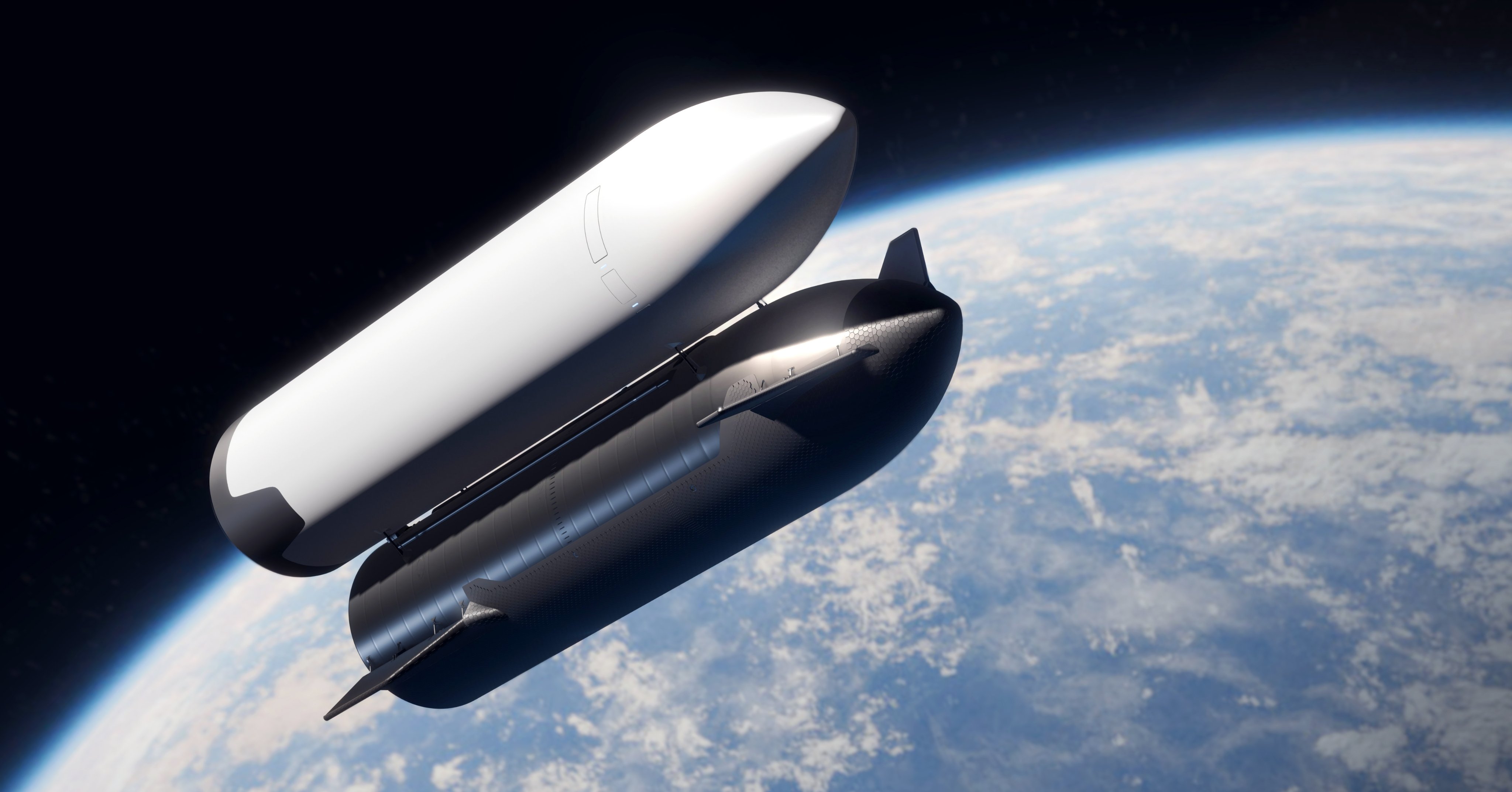
Hello, space enthusiasts! 🌌 Today, we’re diving into a fascinating topic: how Starship's Raptor engines contribute to lowering the cost per kilogram to orbit. 🚀💸 As humankind stands on the brink of a new era in space exploration, understanding the economics behind these advancements is crucial. So, let’s break down the impressive efficiency of the Raptor engines and how they might reshape the future of space travel! #RocketEconomics
First off, let's talk about the backbone of the Starship: the Raptor engine. Designed for maximum efficiency, Raptor engines run on a combination of liquid oxygen (LOX) and liquid methane (CH4), utilizing a full-flow staged combustion cycle. This design not only enhances performance but also makes the engine more fuel-efficient. In fact, each Raptor engine is capable of producing around 230 tons of thrust—this is over twice the thrust of its predecessor, the Merlin engine used in the Falcon 9. 🚀🔧 #RaptorRevolution
One of the most exciting metrics of the Raptor engine is its specific impulse (Isp), which measures the efficiency of rocket fuel. The Raptor boasts an Isp of approximately 330 seconds in vacuum conditions, making it one of the most efficient engines in operation today. In comparison, the Merlin engine has an Isp of around 300 seconds. This means that Raptor can provide more thrust per unit of fuel, translating to significant cost savings. 📈 #EfficiencyInSpace
Now, let’s unpack what all this means for the cost per kilogram to orbit. Currently, launching with a Falcon 9 costs about $2,720 per kilogram to low Earth orbit. However, with the anticipated operational costs of Starship aiming for about $200 per kilogram, the economic implications are staggering! 🌍💰 This 92% decrease in launch costs could open doors to new ventures, such as large satellite constellations, interplanetary missions, and even commercial colonization efforts.
Additionally, the reusability of Starship is paramount. SpaceX aims for a rapid turnaround with several flights each day, significantly reducing the overall infrastructure costs associated with traditional launch systems. Each Raptor engine is designed to be reused up to 100 times, marking a shift toward sustainable space exploration.♻️ By minimizing the need for single-use components, SpaceX not only drives costs down but also creates a more environmentally responsible model for space travel. #SustainableSpace
Moreover, the coupling of efficient engines with a streamlined design means shorter launch windows and fewer delays. The quicker SpaceX can get cargo into orbit, the more payload they can launch within the same time frame, thus driving down average costs while maximizing productivity. 🚀🕰️
In conclusion, the efficiency of Starship's Raptor engines is a game changer in the landscape of space travel. By significantly reducing costs and improving reusability, SpaceX is not just making space more accessible for businesses and researchers—it’s paving the way for humanity’s future among the stars! 🌠✨ What are your thoughts on this engineering marvel? Share your opinions below! #FutureOfSpace
Image credit: SpaceX