How does Starship’s onboard computer handle real-time trajectory adjustments during atmospheric descent?
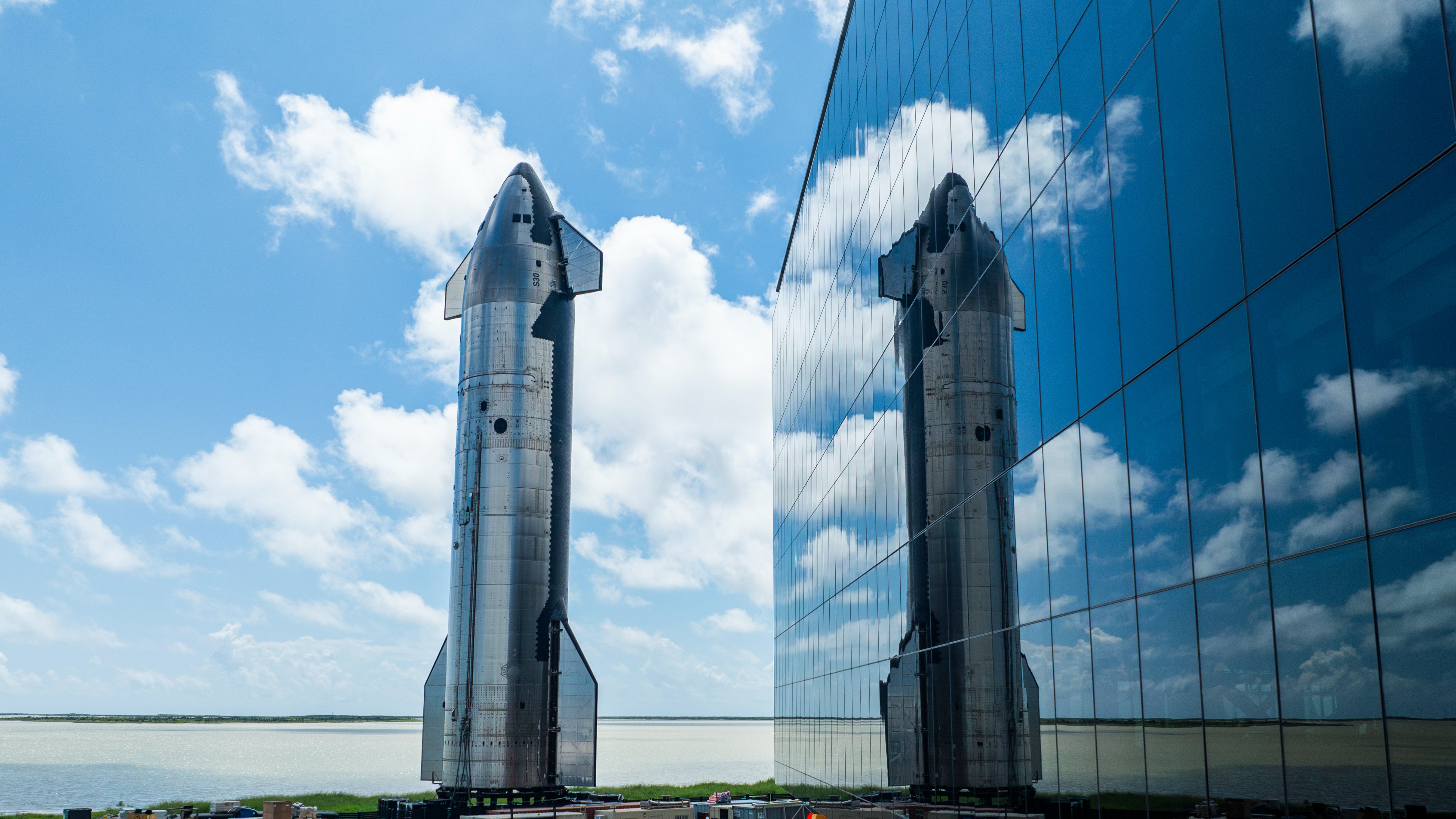
Hello, Space Explorers! 🚀
Today, we’re diving into the extraordinary capabilities of Starship's onboard computer and its role in handling real-time trajectory adjustments during atmospheric descent. This fascinating topic is crucial as SpaceX aims for nothing less than interplanetary travel, and the precision of descent is key to ensuring a safe landing! 🌌
The Descent Challenge
As Starship enters the atmosphere, it generates immense aerodynamic forces and intense heat, with temperatures rising up to 3,000 degrees Fahrenheit (1,650 degrees Celsius) due to friction. In the face of such formidable challenges, the onboard computer must work quickly and accurately to adjust the vehicle's trajectory to ensure a safe landing. The journey through the atmosphere is no leisurely sail; it’s a complex ballet of physics and engineering! 💥
Advanced Avionics and Algorithms
At the heart of this operation is Starship’s advanced avionics system. The onboard computer employs a robust suite of algorithms that analyze real-time data from various sensors ⏱️. These include accelerometers, gyroscopes, and GPS systems that monitor the spacecraft's altitude, speed, and orientation with astonishing precision. Starship can reach speeds of over 15,000 miles per hour (24,000 km/h) during reentry, so timing and accuracy are everything!
Continuous Data Processing
As Starship descends, the computer continuously processes data to determine if any trajectory adjustments are necessary. It can execute changes in pitch, roll, and yaw by commanding the Raptor engines to perform thrust vector control and the aerodynamic surfaces (like flaps) to manipulate airflow. This process occurs in mere milliseconds! ⚡ Each command is essential for navigating the atmosphere's turbulence and achieving the desired landing coordinates.
Predictive Models
In addition to real-time adjustments, Starship’s onboard computer utilizes predictive modeling. Before the mission, engineers input atmospheric models based on historical data, allowing the computer to foresee how conditions might change during descent. By coupling predictive analytics with live data, the system enhances its ability to adapt, making it an incredibly intelligent platform! 🤖
Feedback Loops for Precision
Feedback loops are crucial for successful trajectory corrections. As the computer makes adjustments, sensors monitor the outcomes and relay the data back to refine future commands. This iterative approach ensures that Starship remains stable, even in turbulent conditions, and can adapt to unexpected circumstances, such as wind shear or anomalies in atmospheric density. 🌬️
Final Thoughts
In summary, Starship's onboard computer is a marvel of modern engineering, enabling real-time trajectory adjustments during atmospheric descent with incredible precision. By leveraging advanced algorithms, continuous data processing, predictive models, and feedback loops, SpaceX has developed a system that embodies the future of space travel. How exciting is it to witness these advancements first-hand as we approach a new era of exploration? 🌍
#SpaceX #Starship #TrajectoryAdjustment #Avionics #AerospaceEngineering #SpaceTravel
image credit: SpaceX 🚀