How does Starship's methane-based Raptor engine compare to Falcon 9's kerosene-powered Merlin engine in terms of efficiency?
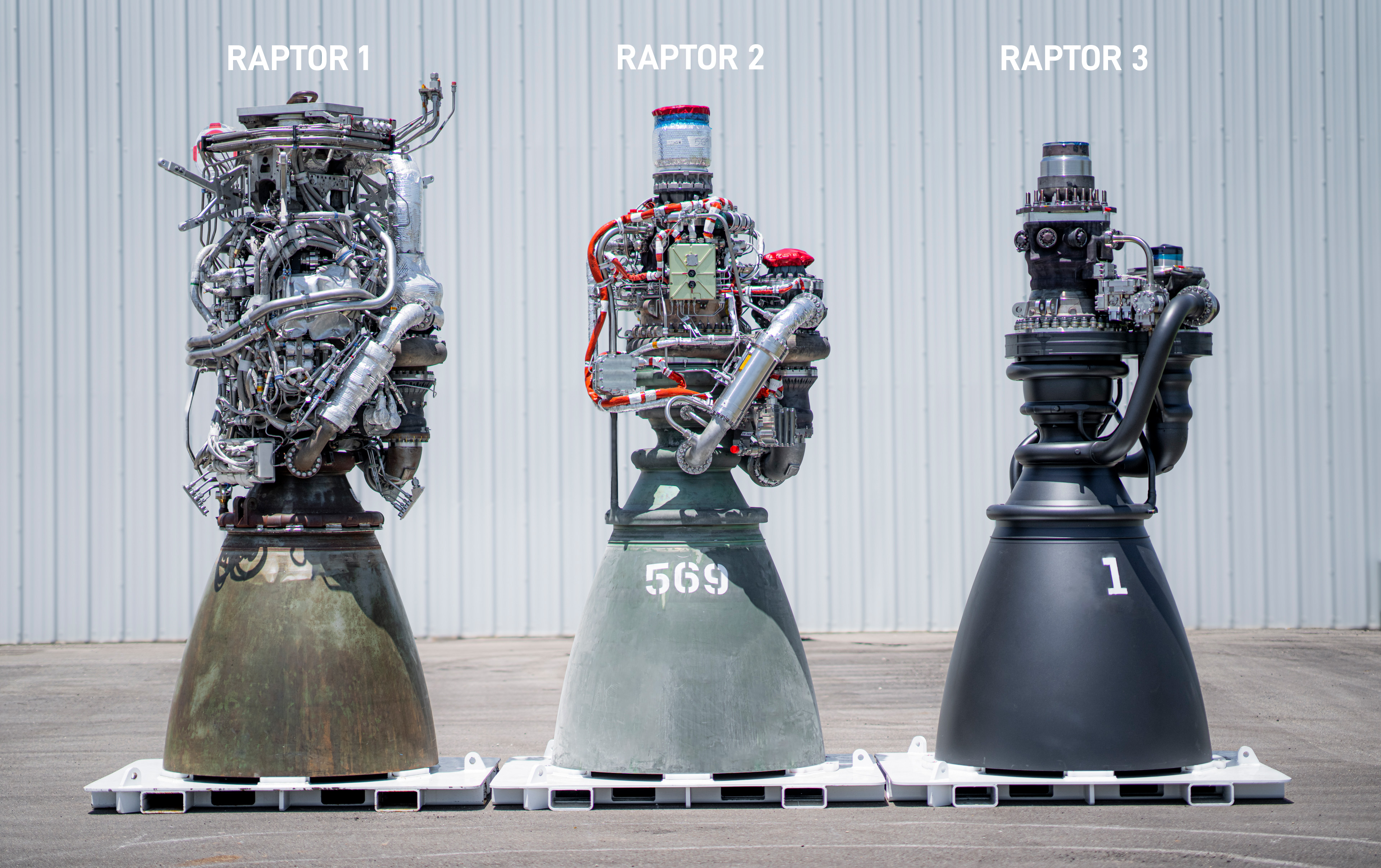
Hey there, rocket aficionados! 🚀🌌
As we turbocharge our understanding of space travel, the engines that power our spacecraft are crucial to the missions we undertake. In recent years, SpaceX has made headlines with its innovative propulsion systems, specifically the methane-based Raptor engine used in Starship and the kerosene-powered Merlin engine employed in Falcon 9. But how do these two powerhouses stack up in terms of efficiency? Let’s dive in! 💥
Understanding the Engines
The Merlin engine, a proven workhorse for SpaceX, uses RP-1 (a highly refined kerosene) combined with liquid oxygen. This engine generates about 845 kN (190,000 lbf) of thrust at sea level and operates at a efficiency of around 311 seconds of specific impulse (Isp) in a vacuum. In simpler terms, specific impulse measures how efficiently a rocket uses propellant—higher numbers are better!
On the flip side, we have the Raptor engine, which runs on liquid methane (CH4) and liquid oxygen (LOX). Raptor boasts a staggering thrust of about 2300 kN (514,000 lbf) at sea level and an impressive specific impulse of approximately 330 seconds in a vacuum. This performance represents a significant leap forward in rocket engine technology! 🚀🔧
The Efficiency Factor
When comparing efficiency, the specific impulse is key. The Raptor engine’s higher Isp means that it can create more thrust with less propellant, reducing the overall amount of fuel required for a mission. This is particularly advantageous for long-duration spaceflights, where every kilogram counts!
Methane also has additional benefits: it can potentially be produced on Mars using the Sabatier process, making in-situ resource utilization (ISRU) a tangible reality. Imagine the future—sending humans to Mars, where Raptor engines could regenerate fuel for the return journey! This could greatly decrease the logistical challenges of deep-space missions. 🌌🔄
Cost Efficiency
Cost is another factor worth considering. The Raptor engine, while initially expensive to develop, is designed for reusability, similar to the Merlin. However, methane can be cheaper to produce and handle when compared to kerosene. With the operational efficiency of minimal maintenance and the ability to optimize fuel costs on Mars, Raptor might offer a more economical approach for missions beyond Earth. 💵🌍
Conclusion: A New Era of Propulsion
In conclusion, both the Raptor and Merlin engines are groundbreaking in their own right. The Merlin engine has an excellent track record with Falcon 9, while Raptor paves the way for ambitious missions to the Moon, Mars, and beyond. With approximately 20% more efficiency in the specific impulse realm and longer-term potential for ISRU applications, Raptor stands as a pivotal advancement in propulsion technology for interplanetary travel.
So, as we keep our eyes on the stars, it’s exciting to think about how significant advancements in engine technology could redefine our journey through the cosmos! Until next time, keep dreaming big, space lovers! 🌠✨
Image credit: SpaceX 👽