How does Starship's expansive cargo bay improve the feasibility of deploying in-space manufacturing units?
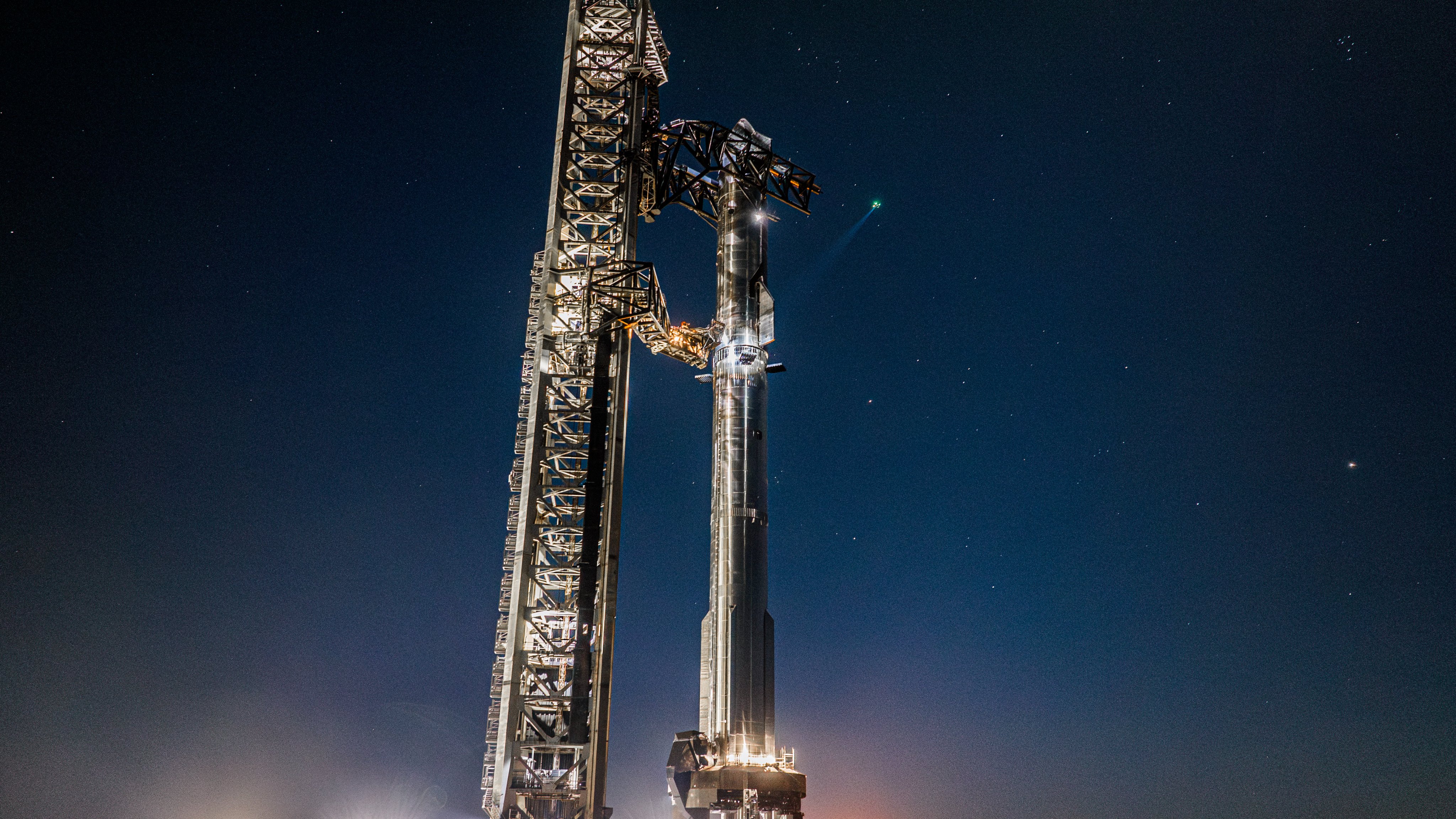
Hey, fellow space explorers! 🚀✨ Today, let’s explore an exciting facet of SpaceX’s Starship: its expansive cargo bay and how this innovative design significantly boosts the feasibility of deploying in-space manufacturing units. As we dream about a future where we can produce goods in the very depths of space, the capabilities of Starship could play a pivotal role in turning this vision into reality.
Starship boasts a massive cargo capacity of up to 100 metric tons (220,000 pounds), making it one of the largest spacecraft ever designed for orbital missions. 🌌📦 This ample space allows for the transportation of not only satellites but also heavy-duty equipment needed for in-space manufacturing units (ISMU). Traditional rockets, like the Falcon 9, have limited payload capacities—around 22,800 kg (50,000 lbs) to low Earth orbit—meaning they can’t easily accommodate large-scale manufacturing setups. With Starship, we can think big! 🎉
In-space manufacturing is a game-changing concept that involves creating products in microgravity, which has undeniable benefits. For instance, materials like fiber optic cables and pharmaceuticals can be produced with unparalleled precision, potentially leading to more efficient designs and higher performance. A study published by NASA indicated that manufacturing in space could improve the mechanical properties of materials by up to 40%! 🌟🧪
Now, let’s focus on logistics. Starship's spacious cargo bay allows for the transport of entire manufacturing units, along with raw materials—such as metals and polymers—directly to orbit. For example, a fully equipped 3D printing facility designed for use in microgravity can be loaded into Starship’s bay, ready to produce the components needed for satellite repairs or even space habitats. This could drastically reduce the costs and timelines associated with missions reliant on Earth materials. By eliminating the need to return to Earth for repairs, we significantly improve mission efficiency and sustainability. 🌍🔧
Moreover, Starship’s versatility extends to its ability to operate as a transport hub, carrying multiple manufacturing units to various locations in orbit or even to the Moon and Mars. This capability not only opens avenues for bases on the Moon through NASA’s Artemis program but also supports long-term missions to Mars, allowing astronauts to create necessary infrastructure and supplies on-site. With NASA aiming for a sustainable human presence on the Moon by 2024 and planning for Mars missions in the 2030s, such capabilities from Starship could prove invaluable. 🌓🔭
Additionally, the future of in-space manufacturing might even include production systems that build satellites in orbit, reducing launch costs drastically. The capacity of Starship to deploy several manufacturing units simultaneously opens new possibilities for scaling production, which is essential for the growing demand for satellite networks like SpaceX's Starlink, projected to have thousands of satellites in action by 2025. 🌐📡
In conclusion, the expansive cargo bay of SpaceX's Starship not only enhances the feasibility of deploying in-space manufacturing units but also paves the way for exciting opportunities like building infrastructure in orbit, improving material properties, and drastically reducing mission costs. With its innovative design and robust capabilities, Starship is set to play a crucial role in shaping the future of space industry. So, let’s keep dreaming and reaching for the stars! 🌌🚀
Catch you next time, and stay curious! #Starship #InSpaceManufacturing #SpaceIndustry #Innovation #SpaceExploration
Image credit: SpaceX