How does Starship's belly-flop maneuver during reentry compare to traditional space capsule parachute systems?
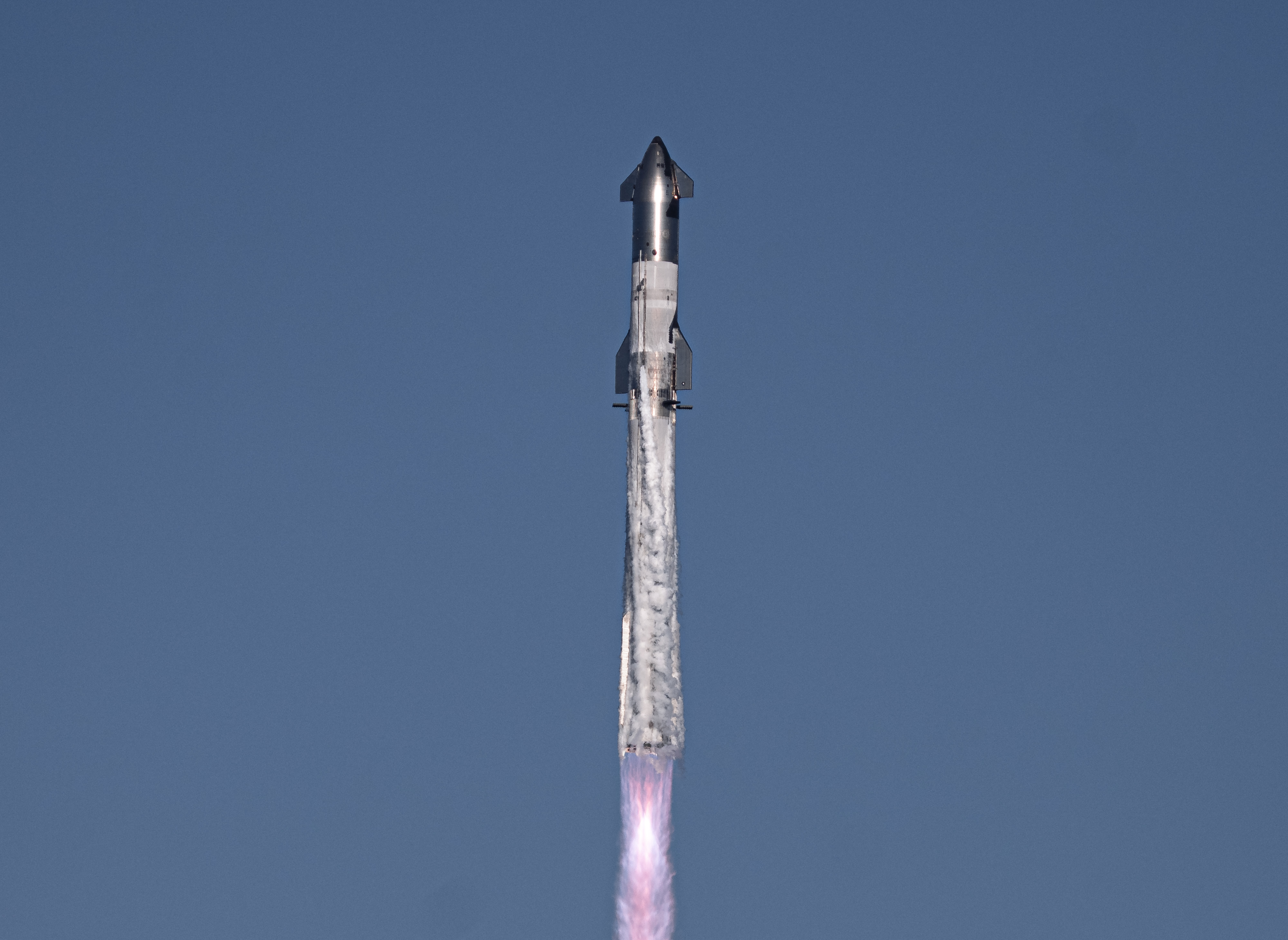
How Does Starship's Belly-Flop Maneuver During Reentry Compare to Traditional Space Capsule Parachute Systems? 🚀🌌
Hello, space enthusiasts! 🌠 Have you ever wondered how SpaceX's Starship—designed to carry astronauts and cargo to Mars and beyond—achieves its daring landing techniques? One of the most fascinating aspects of its design is the belly-flop maneuver during reentry. Let's explore how this innovative technique compares to traditional space capsule parachute systems!
To start, Starship’s belly-flop maneuver is a reduction of speed through aerodynamic drag. When Starship reenters the atmosphere, it flips into a horizontal position, presenting its belly to the airflow. This maneuver creates a massive drag surface, allowing the spacecraft to slow down quickly while descending at a controlled angle. It’s a technique that gives Starship a unique advantage over conventional capsules that typically use parachutes to slow their descent.
Traditional capsules, like NASA's Orion or the Russian Soyuz, rely heavily on parachute systems for the final stages of landing. After a controlled deorbit burn, these capsules deploy a series of parachutes sequentially, reducing their speed to about 15-24 mph (24-39 km/h) upon landing. However, this method requires precise timing and conditions. If something goes wrong—like a parachute failing to deploy—the consequences can be dire. 🚨
In contrast, Starship, which is designed to be fully reusable, uses a combination of aerodynamic control and thrust during landing. It can slow its descent using its Raptor engines after entering the atmosphere, allowing for a more flexible and controlled landing zone. The net effect? Starship can operate safely in a variety of environments, from ocean landings to landing on solid ground. 🌊✨
One of the standout features of the belly-flop maneuver is that it allows for more precise landings. Starship can perform a controlled landing within a zone of approximately too few meters from the intended target. This capability not only enhances safety but also allows for potential landings on rough terrain, which would present challenges for capsules using parachutes. Imagine landing on the rugged surface of Mars or the Moon with precision! 🌕
Another critical advantage of the belly-flop maneuver is structural integrity. Parachute systems add complexity with multiple deployment sequences and redundancies, while Starship relies more on its sturdy heat shield and aerodynamic design. It has survived multiple test flights—about 11 successfully so far—demonstrating the reliability of its technology.
So, what does this mean for the future of space travel? With plans to make Starship the centerpiece of deep-space missions—including crewed flights to Mars—the shift towards a belly-flop landing system marks a significant evolution in spacecraft design. In addition to reliability and efficiency, Starship's advanced landing system could open new possibilities for future exploration missions, creating new pathways and opportunities for scientific discovery. 🌌🔭
To wrap it up, while traditional parachute systems have served us well for decades, the innovative belly-flop maneuver of Starship presents exciting advancements for space travel. The ongoing evolution of reentry technology will not only enhance our capacity for exploration but also ensure a sustainable presence in space. So, here’s to the future—let’s keep looking up! 🚀
#SpaceX #Starship #SpaceExploration #BellyFlopManeuver #AerospaceInnovation
image credit: SpaceX