How does Starship’s 1,000 cubic meter cargo volume compare to existing spacecraft for transporting supplies?
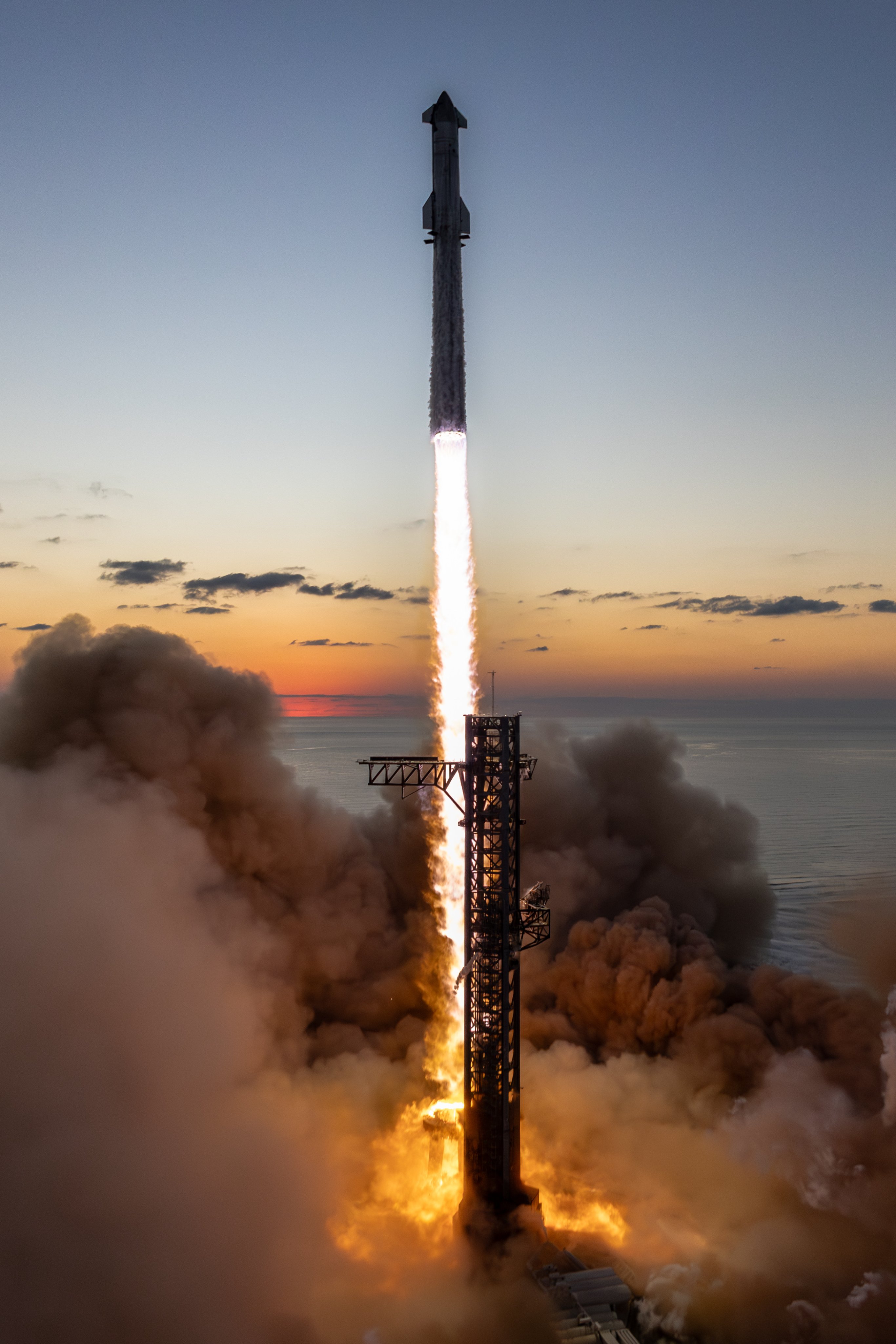
Hello, Space Explorers! 🌌
In the world of space travel, cargo capacity is paramount to supporting long-term missions, whether for scientific research, crewed missions, or colonizing other planets. SpaceX's Starship emerges as a game-changer with an astonishing 1,000 cubic meters (around 35,300 cubic feet) of cargo space. How does this compare with existing spacecraft? Let’s break it down! 🚀
Comparative Dimensions: The Heavyweights of Space 📏
To understand Starship's capabilities, let’s look at some of the prominent players in the current market.
International Space Station (ISS) Resupply Missions: NASA’s Cygnus spacecraft, a reliable cargo vehicle, has a maximum pressurized cargo capacity of approximately 18 cubic meters (about 635 cubic feet). Similarly, the SpaceX Dragon 2 cargo version can carry around 13 cubic meters (around 460 cubic feet) of supplies. In comparison, Starship boasts a cargo volume that is nearly 55 times that of Cygnus and over 76 times that of Dragon. That's quite a difference!
European Automated Transfer Vehicle (ATV): The ATV, which was used to transport supplies to the ISS, had a capacity of about 7 cubic meters (around 247 cubic feet). When placed alongside Starship, its spacious 1,000 cubic meter interior dwarfs the ATV by roughly 142 times!
The Boeing CST-100 Starliner: Although designed for crewed missions, the Starliner can carry up to 10.5 cubic meters (about 370 cubic feet) of cargo. Starship again outshines with almost 95 times this capacity. 🌠
Applications Beyond Earth 🌍
The colossal size of Starship's cargo hold is not just impressive; it opens a multitude of possibilities for future missions. Imagine transporting:
Multiple Rovers: With traditional spacecraft, deploying rovers for Mars exploration takes careful planning due to space limitations. Starship could carry several rovers at once, enabling simultaneous exploration of different locations.
Supplies for Lunar Bases: NASA’s Artemis program aims to establish a sustainable human presence on the Moon by the late 2020s. Starship can deliver an extensive amount of equipment, habitat modules, and scientific instruments in one go.
Interplanetary Colonization: As humans dream of colonizing Mars, Starship’s ample cargo space can facilitate the transportation of everything from building materials to life support systems, making long-term colonization a tangible reality.
The Future is Spacious 🌌
Starship's 1,000 cubic meters of cargo space not only redefines current resupply missions but also positions mankind for future exploration of the moon, Mars, and beyond. With the ability to carry a vast array of supplies efficiently and in one launch, the modular approach that Starship allows could change the landscape of interplanetary transport forever.
Let’s keep our eyes on the stars and prepare for an exciting future filled with exploration and discovery! 🚀
#SpaceX #Starship #CargoCapacity #InterplanetaryTravel #MarsExploration #AerospaceInnovation
image credit: SpaceX