How does SpaceX’s use of methane in the Raptor engines improve environmental sustainability compared to traditional fuels?
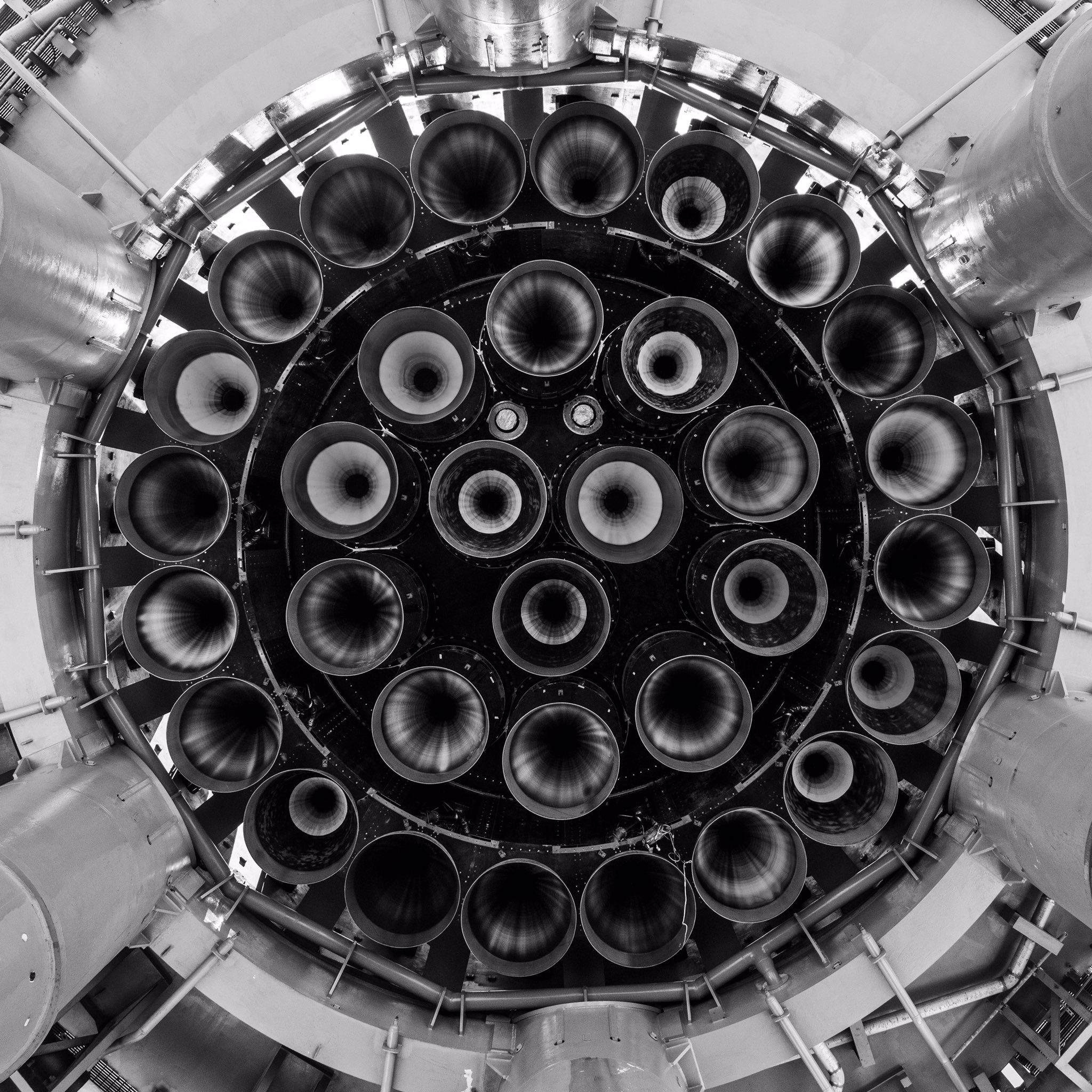
Hey there, fellow space enthusiasts! 🌟 Today, let’s explore an exciting innovation in rocket technology that has the potential to significantly enhance environmental sustainability: SpaceX’s use of methane in the Raptor engines. As we push the boundaries of space exploration, it’s crucial to also consider the ecological impact of our endeavors. Let’s take a closer look at how methane stacks up against traditional rocket fuels and why it’s a game changer! 🚀🌌
To kick things off, let’s dive into the specifics. SpaceX’s Raptor engines, which power the Starship spacecraft, utilize liquid methane (CH₄) combined with liquid oxygen (LOX) as propellants. This unique choice represents a departure from traditional rocket fuels, like kerosene (RP-1), which have been the industry standard for decades. For instance, the F-1 engines used in the Saturn V rocket relied on RP-1 and LOX, enabling it to carry astronauts to the Moon—but with some environmental costs. 🌕💔
One of the standout benefits of methane is its lower carbon footprint. When burned, methane produces carbon dioxide (CO₂) and water vapor, but the amount of CO₂ emitted is nearly 25% less than that produced by kerosene for the same energy output. This means that as we embark on ambitious missions beyond our planet, we can do so with a reduced greenhouse gas impact. Given that the U.S. space industry contributes to around 2% of global carbon emissions, every environmentally-friendly change counts! 🌿🌍
But that’s not all—methane’s properties provide additional advantages when it comes to rocket staging and performance. Liquid methane has a higher specific impulse compared to RP-1, which means it achieves greater efficiency in propulsion. The Raptor engine reaches an impressive specific impulse of about 330 seconds in sea-level mode and can hit up to 342 seconds in vacuum mode. This efficiency translates into lower fuel mass required for the same thrust, ensuring that missions can carry heavier payloads or extend their reach without increasing environmental harm. 📈🔥
Sustainability also goes beyond just the fuel itself; it includes sourcing and logistics. Methane can be produced on-site via in-situ resource utilization (ISRU), especially on places like Mars. SpaceX envisions a future where they create methane on Mars from Martian resources—essentially allowing spacecraft to refuel on the planet itself. This groundbreaking approach not only eliminates the need for transporting massive amounts of fuel from Earth for return missions but also dramatically reduces the mission’s carbon footprint. Talk about innovation! ❄️🪐
Additionally, methane remains less toxic than traditional rocket fuels, like hydrazine, which are highly hazardous and require complex handling and storage protocols. Using methane simplifies the process and makes it safer for engineers and the environment alike. 🌱🔒
In conclusion, SpaceX’s incorporation of methane in Raptor engines represents a bold step towards aligning space exploration with sustainability goals. Not only does it offer lower emissions compared to traditional rocket fuels, but it also enhances efficiency and safety, paving the way for a greener future in putting humans and equipment into space. As humanity continues to reach for the stars, let’s ensure we do so with a mindset that prioritizes our home planet. Until next time, let's keep advocating for responsible space exploration! #SpaceX #RaptorEngines #SustainableSpace #MethaneFuel #EnvironmentalImpact
image credit: SpaceX