How does SpaceX’s in-flight engine relight system prevent cavitation in Falcon 9’s turbopumps during high-G maneuvers?
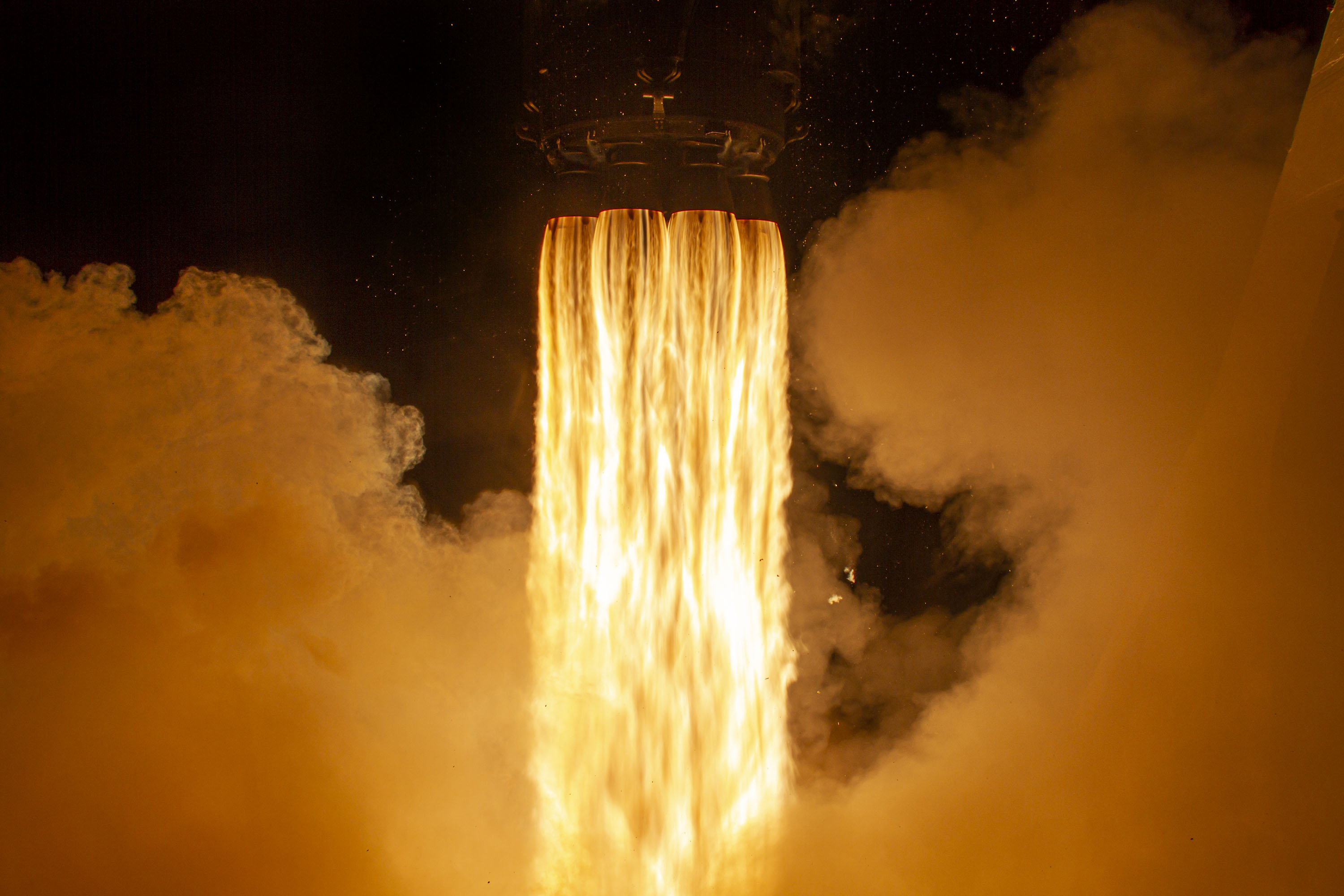
Title: Keeping the Flow: How SpaceX Prevents Cavitation in Falcon 9’s Turbopumps 🚀💧
Hello, space aficionados! 🌠 Today, we’re unraveling the intricate world of rocket engineering, focusing on a vital yet often overlooked component of the Falcon 9: its in-flight engine relight system. Specifically, we’ll discuss how this system prevents cavitation in the turbopumps—a challenge particularly critical during high-G maneuvers.
The Falcon 9, designed for various missions from satellite launches to resupply missions to the International Space Station, boasts a remarkable ability to perform multiple engine relights. One of the standout features of the Falcon 9 is its ability to execute controlled engine restarts, which are essential for maneuvers during its ascent and during landing. However, executing these relights, especially under high gravitational forces (G-forces), introduces challenges such as cavitation.
Cavitation refers to the formation of vapor bubbles in a liquid, which can occur when the pressure around a liquid drops below its vapor pressure. When these bubbles collapse, they can generate shockwaves and cause significant damage to the turbopumps. For the Falcon 9’s Merlin engine, which produces about 845 kN (190,000 lbf) of thrust, this could be catastrophic. 🛠
To tackle this issue, SpaceX engineers have meticulously designed the Falcon 9’s engine and fuel system. One of the key strategies involves the use of advanced propellant management technologies. In simple terms, during high-G maneuvers, the Merlin engines rely on a unique fuel feed system that helps maintain consistent propellant supply to the turbopumps, even when subjected to rapid changes in load.
SpaceX incorporates a concept called “propellant settling” into their design. This system ensures that the fuel and oxidizer remain in the optimal position within the tanks, preventing any unwanted movement that could lead to cavitation during high acceleration. By utilizing baffles and proper tank geometry, the design controls how propellant shifts, ensuring that the pumps receive a stable flow of liquid. This is particularly vital during launches, where Falcon 9 can experience G-forces around 5G during ascent! 💪
Additionally, the in-flight engine relight system employs a clever technique known as “self-pressurization” of the fuel. As the rocket ascends and experiences varying pressure conditions, the fuel system is designed to use gas generated from the engines to maintain pressure and ensure that propellants flow smoothly into the turbopumps. This strategy not only aids in preventing cavitation but also ensures that the pumps remain robust during the crucial moments of engine relight, particularly during landing scenarios where multiple relights are required.
In conclusion, SpaceX's innovative solutions to prevent cavitation in Falcon 9's turbopumps play a crucial role in ensuring reliable performance during high-G maneuvers. With a combination of propellant management, advanced design, and in-flight monitoring, the Falcon 9 not only embodies a remarkable feat of engineering but also exemplifies the pursuit of safety and reliability in space travel. Who would have thought that keeping the fuel flowing smoothly could be such a delicate dance? 🚀✨
#SpaceX #Falcon9 #RocketEngineering #Cavitation #AerospaceInnovation
image credit: SpaceX
Humanize