How does SpaceX’s automated docking system improve mission safety and efficiency for Starship’s planned space station rendezvous?
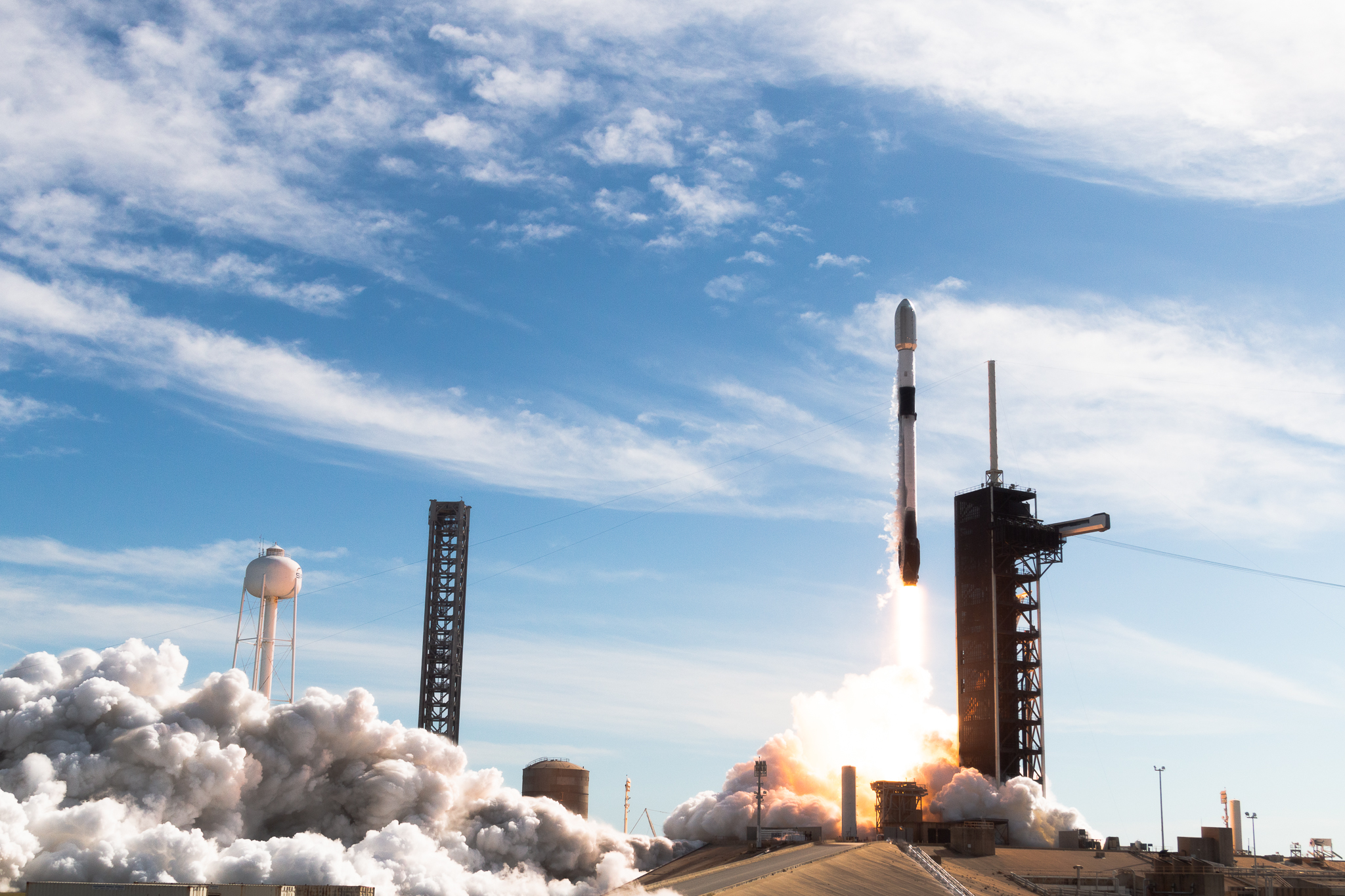
Hello, space voyagers! 🌌 Today, we’re diving into a crucial aspect of SpaceX's operations—the automated docking system for Starship, designed for seamless rendezvous with planned space stations, such as the Lunar Gateway and future Martian outposts. This advanced technology not only enhances mission safety but also ensures efficiency in space travel. Buckle up as we explore how this cutting-edge system works! 🚀
Good day to all space enthusiasts! The automated docking system utilizes sophisticated sensors, advanced algorithms, and real-time data processing to facilitate precise docking maneuvers. During approach, the Starship will use cameras, LIDAR, and radar to accurately assess its position relative to the target spacecraft. With an accuracy of mere centimeters, the Starship is set to achieve reliable and safe docking, even when considering the vast distances involved—like the approximately 384,400 km (238,855 miles) distance to the Moon! 🌕
How’s it going, everyone? One of the key components of Mission Safety is redundancy. SpaceX's system features multiple backups for critical sensors and software, which means that if one component fails, there’s always a spare to ensure the docking process can continue. This design philosophy has proven effective in other SpaceX missions, as seen during the Crew Dragon flights, where redundancy has kept astronauts safe during critical phases. 😊
Hey there, fellow stargazers! When discussing efficiency, it’s important to note that automated docking minimizes the need for manual intervention from onboard crew, which can be both distracting and time-consuming. In fact, manual docking procedures can take anywhere from 30 minutes to several hours, depending on the circumstances. In contrast, automated systems can complete the entire process in under 10 minutes! ⏱️ This streamlined approach frees up astronauts to focus on their primary mission objectives, whether it’s conducting experiments or preparing for exploration.
Hello again! Another significant advantage is its potential impact on longer missions. As humanity prepares for missions to Mars, where communication delays can reach up to 20 minutes, having an automated docking system becomes even more essential. It mitigates the risk associated with time lags during critical docking processes, allowing Starship to operate safely and autonomously, reducing the stress on astronauts. 🌍➡️🚀
Good to see you back! Let’s also not forget about the environment of space travel. SpaceX has engineered the Starship's docking system to reduce fuel consumption during these maneuvers. By using optimized trajectories and minimizing the required thrust, this system saves valuable fuel that can then be utilized for other mission requirements, enhancing the overall mission profile.
In summary, SpaceX's automated docking system represents a monumental leap forward in ensuring mission safety and efficiency. By incorporating advanced technologies and redundancies, the system promises to make future space rendezvous significantly smoother. As we embark on this journey into the cosmos, these innovations will help pave the way for sustainable human exploration. #SpaceX #Starship #AutomatedDocking #SpaceExploration #MissionSafety
Image credit: SpaceX