How does SpaceX test the reliability of Falcon 9’s engines before every flight?
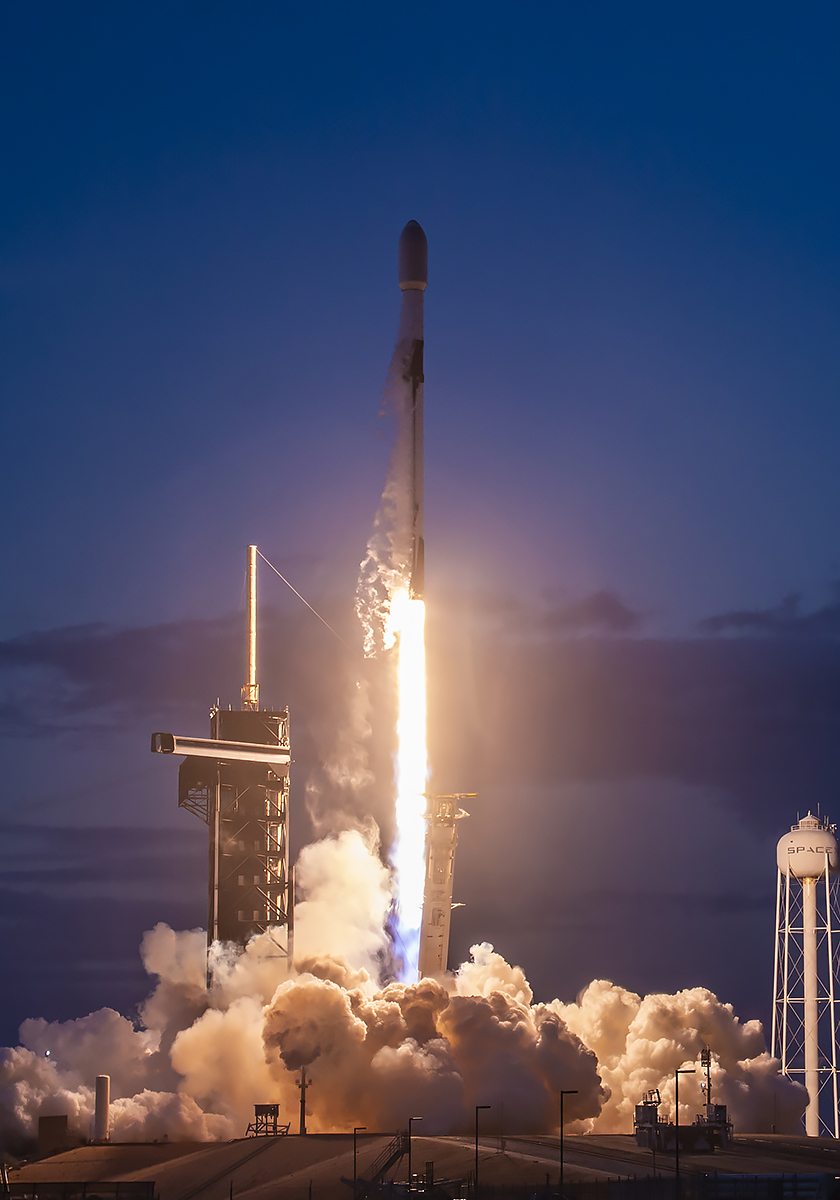
Hello, space enthusiasts! 🌟 Today, we’re delving into the meticulous world of rocket engine testing, focusing on how SpaceX ensures the reliability of the Falcon 9’s engines before each flight. With over 150 missions under its belt and a remarkable track record for success, space travel never seemed so reliable! 🚀 So how does SpaceX guarantee that each of these Merlin engines is ready to roar into action?
At the heart of the Falcon 9 rocket are nine Merlin engines on its first stage, each capable of producing about 190,000 pounds of thrust (approximately 845,000 newtons) at sea level. 🌍 To ensure these engines can perform as expected, SpaceX employs a rigorous testing protocol that begins long before the engines are even installed on a rocket.
First up is the “static fire test,” which is a crucial step in the rocket readiness checklist. Prior to each launch, the Falcon 9 undergoes a full-length static fire test, where all nine engines are ignited while the rocket is firmly held in place on the launch pad. 🔥 This test sees the engines operate at full power for approximately three seconds, allowing engineers to collect critical data about engine performance and verify that everything is functioning as it should. If any anomalies occur, the team can identify and rectify them well before the actual launch.
But that’s just the beginning! SpaceX also performs a series of individual tests on each Merlin engine throughout its production. These include component tests, full engine tests, and even reusability tests. The company’s innovative approach means that some engines have been flown multiple times—up to ten times for certain engines—allowing them to gather extensive data on an engine’s performance over repeated missions. This data ensures reliability through continued assessments of wear and tear. 🛠️
Another key aspect of testing involves advanced monitoring technology. SpaceX utilizes cutting-edge telemetry systems to capture real-time information from the engines. During launch, this data is transmitted back to Mission Control, allowing engineers to analyze the performance of the engines throughout the flight. This monitoring includes parameters like thrust levels, fuel flow, and combustion efficiency. SpaceX’s ability to quickly analyze this data allows for rapid identification of any operational issues that might arise. 🎛️
One innovative strategy that sets SpaceX apart is their culture of rapid iteration and learning. After each flight, an extensive review takes place where engineers scrutinize performance data to identify any potential improvements or upgrades for future missions. This feedback loop contributes to a continuous improvement process, enabling SpaceX to enhance the reliability and efficiency of their engines flight after flight! 📈
In summary, SpaceX’s commitment to the reliability of Falcon 9’s engines is nothing short of impressive. From static fire tests to advanced telemetry and iterative learning, the company emphasizes thorough preparation and continuous improvement. As space travel becomes more routine, these efforts are crucial in ensuring safe and successful missions. 🌌 Keep your eyes on the sky, folks! #Falcon9Reliability #SpaceXTesting #RocketScience
Image credit: SpaceX