How does SpaceX test the load-bearing capacity of the Super Heavy’s thrust puck structure?
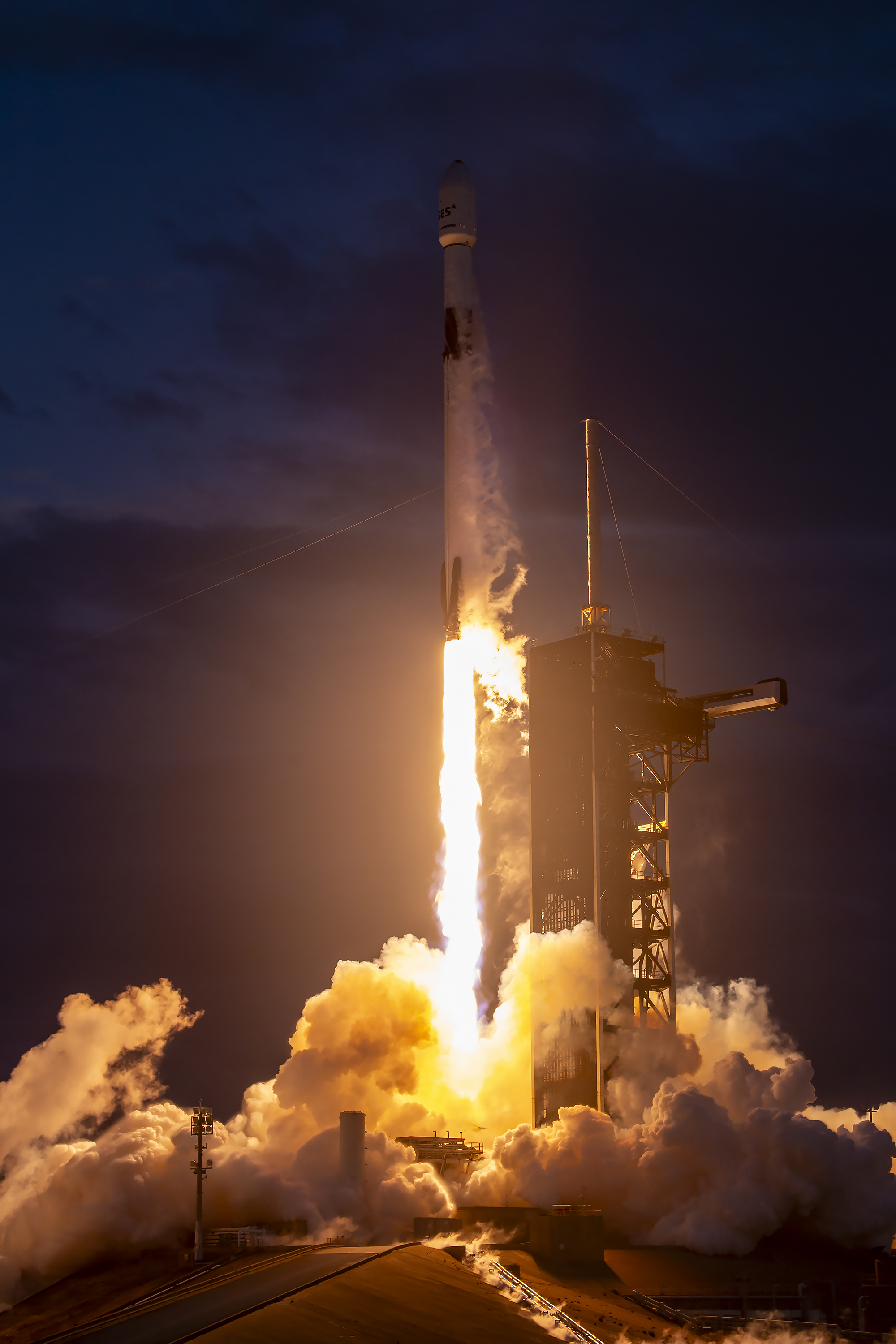
Hello, fellow space fans! 🚀 Today, we’re diving into the heart of SpaceX’s Super Heavy booster, specifically focusing on how the load-bearing capacity of the thrust puck structure is tested. This component is integral to ensuring that one of the most powerful rockets ever built can safely withstand the immense forces generated during liftoff!
Greetings, engineering enthusiasts! 🔧 The thrust puck is a key structural element located at the base of the Super Heavy rocket. This structure is responsible for transferring the thrust generated by the Raptor engines to the rocket’s body. With Super Heavy designed to produce upwards of 16 million pounds (over 7.3 million kilograms) of thrust at liftoff, it’s crucial that the thrust puck can handle such extreme forces without failure.
Hey, innovation admirers! 🌟 To ensure the integrity and resilience of the thrust puck, SpaceX employs a multi-faceted testing strategy. This begins with computer simulations using finite element analysis (FEA), which allows engineers to model how the thrust puck behaves under various loads and conditions. These simulations help identify potential weaknesses in the design before any physical testing occurs.
Hello, data geeks! 📊 Once design adjustments are made based on the simulations, SpaceX conducts rigorous physical testing. This includes static load tests where a thrust puck prototype is subjected to gradually increasing loads to verify its maximum load-bearing capacity. In previous tests, prototypes have endured loads that are significantly higher than what would be expected during an actual launch—often aiming for a safety margin of at least 2.0. This means tests might push the puck to 32 million pounds (about 14.5 million kilograms) to validate its structural integrity.
Greetings, science aficionados! 🧪 Additionally, SpaceX utilizes materials testing to ensure the components that make up the thrust puck are up to the task. The company works with high-strength, lightweight alloys tailored to maximize load-bearing properties while minimizing weight. These materials undergo extensive testing for tensile strength, fatigue resistance, and thermal properties to ensure they can withstand the extreme conditions of a launch environment.
Hey there, space explorers! 🌌 In real-world applications, the thrust puck’s performance is continuously monitored during engine test firings. During static fire tests, when all engines are ignited, engineers analyze data to see how the thrust puck manages the vibrations and forces created. These tests provide invaluable information about the structure’s behavior and durability under conditions mimicking those during actual flight.
In conclusion, SpaceX’s commitment to ensuring the Super Heavy's thrust puck can endure the extreme stresses of launch is a multi-layered approach involving advanced simulations, rigorous physical testing, and material validation. As we move closer to a new era of space exploration, these tests serve as critical steps in fortifying the future of rocket technology. Until next time, keep looking up and dreaming big! 🌟🚀
#SpaceX #SuperHeavy #RocketScience #ThrustPuck #Engineering
image credit: SpaceX