How does SpaceX prevent cryogenic propellant boil-off during extended mission timelines?
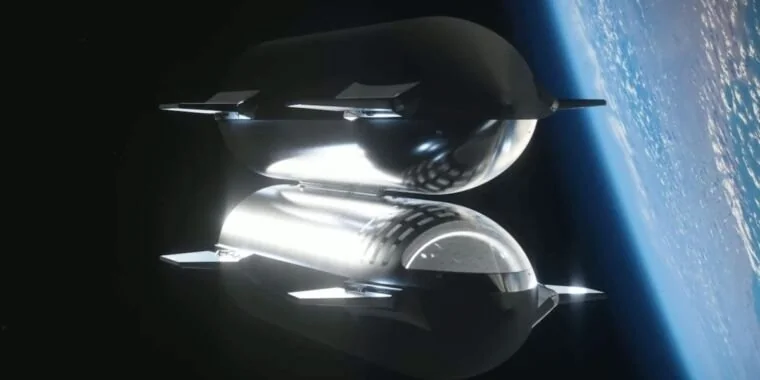
Hello there, space aficionados! 🌌 Today, we’re exploring a fascinating yet technical aspect of SpaceX's launch technology: the prevention of cryogenic propellant boil-off during extended mission timelines. This challenge is crucial for maintaining the efficiency and effectiveness of long-duration missions, as efficient fuel management can make or break a mission. 🚀
When it comes to rocket launches, cryogenic propellants like liquid oxygen (LOX) and kerosene (RP-1) are essential. These fuels must be stored at extremely low temperatures—around -183°C (-297°F) for LOX and -220°C (-364°F) for RP-1. However, prolonged storage in the cryogenic state poses challenges: heat absorption can lead to boil-off, where the propellant vaporizes and can reduce the amount available for burn, ultimately threatening mission success. Did you know that a small boil-off of just 5% can significantly impact payload capacity? 😲
SpaceX employs a variety of innovative techniques to combat this issue. One effective strategy is the implementation of advanced insulation materials on their fuel tanks, notably the Falcon 9 and Starship systems. These tanks are lined with high-performance thermal insulation, such as aerogel, which minimizes the heat transfer from the external environment to the cryogenic propellants. This insulation can reduce boil-off rates by up to 50% compared to uninsulated tanks. 🌡️❄️
Additionally, SpaceX has ingeniously incorporated a system known as the “propellant conditioning system.” This mechanism actively manages the temperature and pressure of the stored propellants during pre-launch countdown and flight. For instance, prior to liftoff, LOX and RP-1 are pumped back and forth through the tanks, which allows for temperature equalization and maximizes storage efficiency. It’s a smart way of ensuring that minimal amounts of propellant are wasted! 🛠️🔄
Infrastructure also plays a vital role. For missions with extended timelines—like future deep space journeys—SpaceX is developing capabilities for in-situ resource utilization (ISRU) at launch sites. This means leveraging the resources available in space, such as extracting fuel from the Martian atmosphere for the journey home. A remarkably efficient plan, this could enable longer missions without the constraints of boil-off. 🌌➕
Finally, another striking benefit of SpaceX's technology is the rapid turnaround on launches. With their ability to launch missions closer together—more than 30 successful Falcon 9 launches in 2021 alone—SpaceX can keep the fuel fresh and reduce the time between launch cycles. This reduced wait time means that there's less likelihood for cryogenic boil-off to become an issue. 📅🚀
In summary, SpaceX uses advanced insulation, innovative conditioning systems, and strategic planning to prevent cryogenic propellant boil-off during extended mission timelines. As we set our sights on exciting missions beyond Earth—like Mars and beyond—understanding these complex systems is more essential than ever.
Keep looking up, and stay curious! 🌠
#SpaceX #CryogenicPropellant #SpaceTechnology #RocketScience #InnovationInSpace #BoilOffPrevention
image credit: SpaceX