How does SpaceX optimize the aerodynamic shape of Starship to reduce drag during ascent?
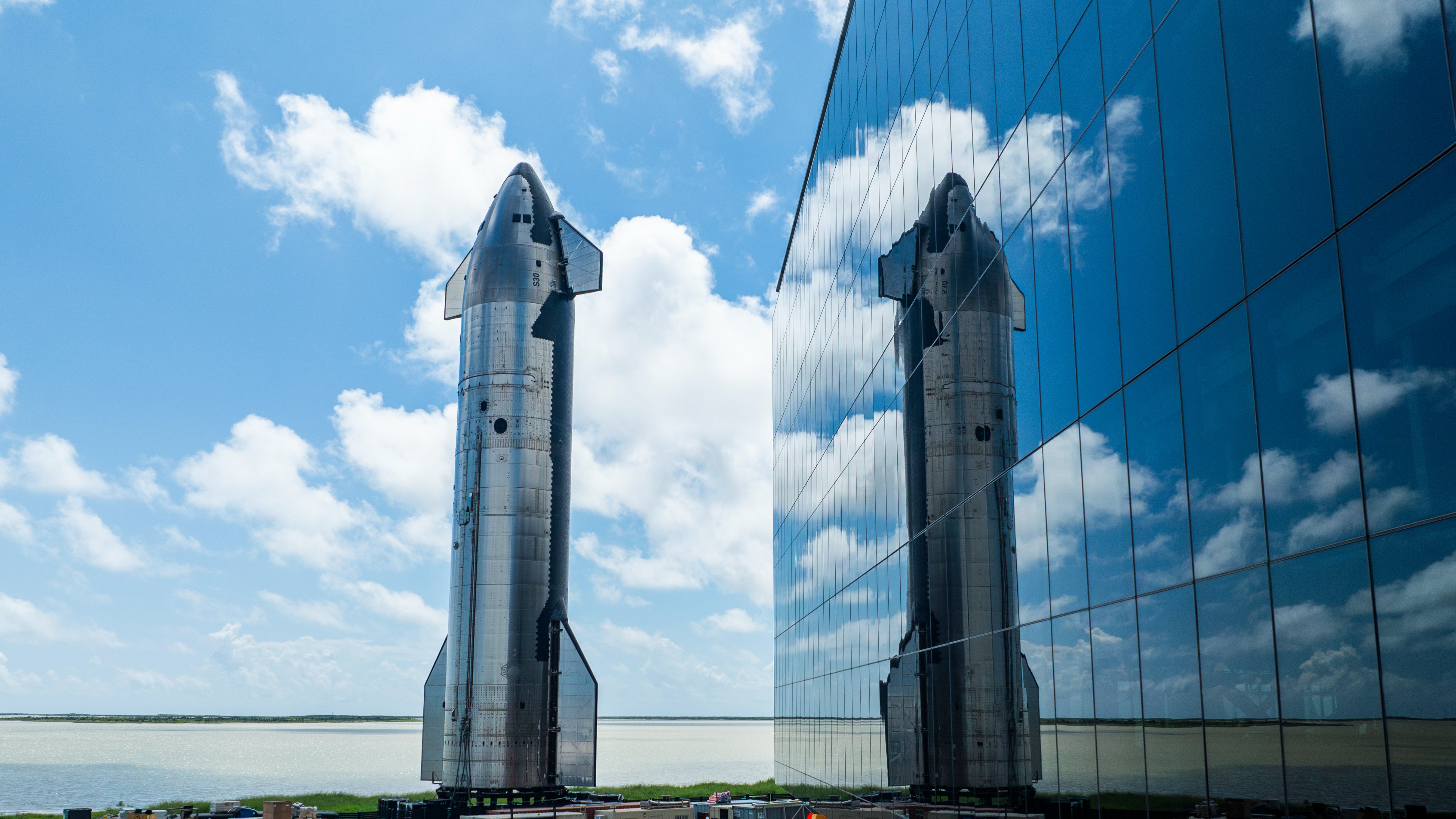
Hello, rocket enthusiasts! 🚀 Welcome to the world of Starship, SpaceX's ambitious project to create a reusable spacecraft capable of taking humans to the Moon, Mars, and beyond! As we explore the vast distances of our solar system, optimizing the aerodynamic shape of Starship is crucial to reducing drag during ascent. Let's dive into the fascinating world of aerodynamics and discover the innovative techniques SpaceX is using to make this a reality! 🤔
Hey, math nerds! 🤓 Aerodynamics is all about minimizing the drag forces that work against the movement of an object. To do this, SpaceX uses a combination of computational fluid dynamics (CFD) and wind tunnel testing to analyze the aerodynamic shape of Starship. In fact, the company has developed a sophisticated CFD software that simulates the interaction between the spacecraft's shape and the air it encounters during ascent. This powerful tool helps the team identify areas where drag is high and make targeted adjustments to optimize the design. Cool, right? 🔥
Hi, engineering fans! 🤓 One key aspect of optimizing the aerodynamic shape of Starship is to reduce the number of sharp edges and points, which can create turbulence and increase drag. To achieve this, SpaceX has developed an innovative design concept called the "blunt nose," which uses a curved and tapered shape to reduce the formation of shock waves. By smoothing out the surface of the spacecraft, the team has been able to reduce drag by up to 10% compared to a traditional sharp-edged design. That's a significant improvement! 👍
Let's talk numbers! 📊 The shape of Starship's nose is also optimized using a concept called the "area rule." By distributing the cross-sectional area of the spacecraft evenly along its length, the team can reduce the formation of vortices and minimize the impact of drag. In fact, by applying this technique, SpaceX has been able to reduce drag by up to 15% compared to an irregularly shaped nose.
Hey, innovation enthusiasts! 🚀 Another key aspect of optimizing the aerodynamic shape of Starship is the use of active aerodynamic control systems. These systems use sensors and actuators to adjust the shape of the spacecraft in real-time, allowing it to adapt to changing airflow conditions. This capability enables the spacecraft to optimize its performance and reduce drag even further. In fact, SpaceX has reported that the active aerodynamic control system has reduced drag by up to 20% during high-altitude flight. Wow, that's impressive! 🤩
In conclusion, optimizing the aerodynamic shape of Starship requires a deep understanding of both computational fluid dynamics and wind tunnel testing. By leveraging these powerful tools and innovative design concepts, SpaceX has been able to reduce drag during ascent and take a major step towards making Starship a reality. The future of space travel has never looked brighter!
#SpaceX #Starship #Aerodynamics #ComputationalFluidDynamics #WindTunnelTesting
(image credit: SpaceX)