How does SpaceX optimize Raptor engine ignition sequences to prevent combustion instability?
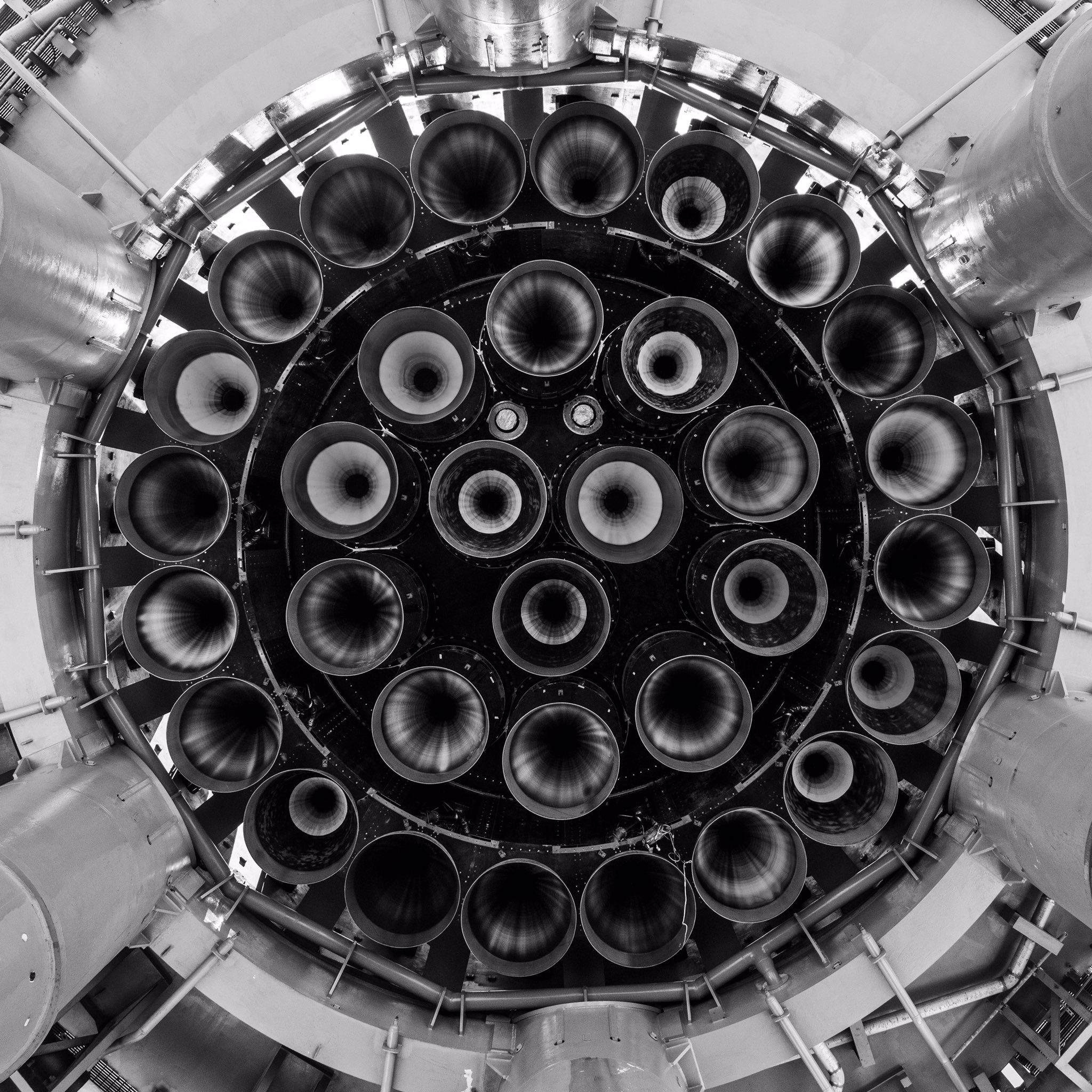
Greetings, space enthusiasts! 🚀 Today we’re diving into the sophisticated world of rocket engine technology, specifically how SpaceX optimizes the ignition sequences of its Raptor engines to prevent combustion instability. This topic is not just fascinating but critical for the successful operation of their next-gen Starship spacecraft.
First, let’s understand what combustion instability is. Essentially, it’s an unwanted oscillation caused by the interaction of the fuel and oxidizer during combustion. For rocket engines like the Raptor, this can manifest as rapid pressure fluctuations that can damage the engine. SpaceX has taken significant steps to mitigate this risk, particularly with the Raptor engine, which employs a unique staged combustion cycle that utilizes both methane and liquid oxygen. 🌌
To grasp the magnitude of SpaceX's innovation, let’s look at the Raptor’s thrust capabilities. The Raptor engine can generate around 230 tons (approximately 2,267 kN) of thrust and boasts an impressive specific impulse (Isp) of 330 seconds, higher than that of the Merlin engines used in the Falcon 9. By optimizing ignition sequences, SpaceX aims to maintain this critical performance while minimizing instability during operation. 🔥
One essential method SpaceX employs is precise sequencing of propellant valves. By controlling when and how much fuel and oxidizer is introduced into the combustion chamber, engineers can fine-tune the ignition process. This involves intricate software algorithms that predict the best ignition timing to ensure a smooth burn. In other words, the ignition sequence of the Raptor engine is not a single event, but a finely orchestrated series of steps that are measured in milliseconds! ⏱️
Also, SpaceX uses advanced combustion chamber designs to help manage the dynamics of the flame and reduce the likelihood of oscillatory behavior. The Raptor's combustion chamber operates at very high pressures—up to 300 bar—which not only enhances efficiency but also helps in suppressing potentially destabilizing vibrations. 🌊
Lastly, extensive testing is a cornerstone of SpaceX’s optimization process. Each test firing generates vast amounts of data that allow engineers to refine the ignition sequences further. For example, SpaceX reportedly conducted over 500 test firings of the Raptor engine before it was considered flight-ready. This data-driven approach enables engineers to simulate various combustion scenarios and tweak ignition timings accordingly to achieve optimal performance safe from instability.
To wrap up, the Raptor engine's ignition optimization is a blend of precise engineering, data analysis, and innovative design—all tailored to propel humanity toward the stars without the threat of combustion instability. With each advancement, SpaceX is paving the way for more sustainable space exploration. 🌠
So there you have it, folks! SpaceX's meticulous attention to detail in optimizing Raptor engine ignition sequences is just one part of their ambitious plans to colonize Mars and beyond. Exciting times ahead! #SpaceX #RaptorEngine #SpaceInnovation
Image credit: SpaceX