How does SpaceX monitor and adjust Falcon 9’s center of gravity during stage separation?
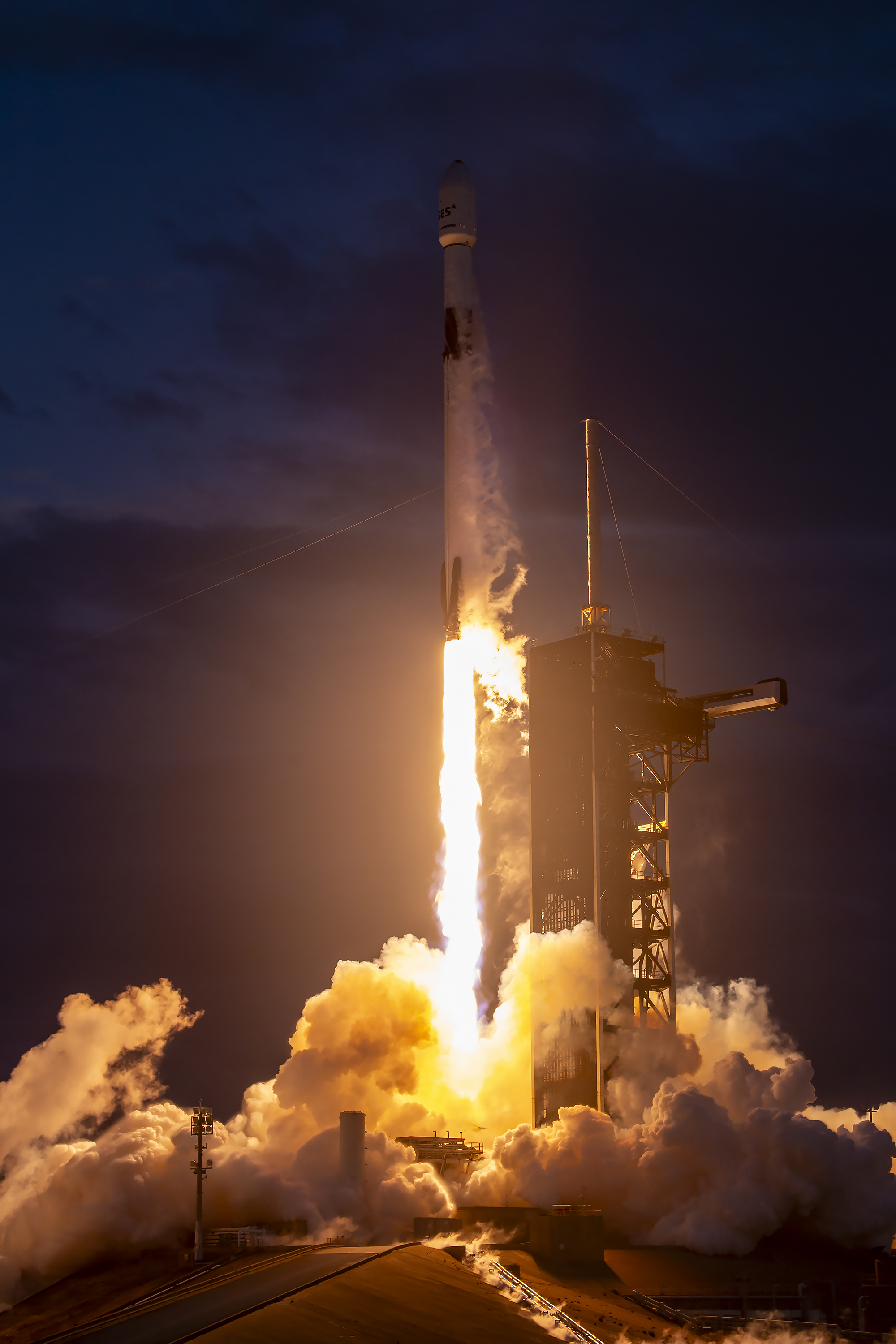
Hello, space enthusiasts! 🚀 Today, let’s navigate through the intricate process of how SpaceX monitors and adjusts the Falcon 9's center of gravity (CG) during stage separation. This fascinating aspect of rocket science is vital for ensuring a successful mission and keeping payloads safe on their journey to orbit. 🌌
Greetings, rocket buffs! 🔭 The center of gravity refers to the point in a body where all its mass is balanced, and it's crucial for stability during flight. As Falcon 9 burns fuel, its mass distribution changes dramatically—over the course of its ascent, it can lose nearly 90% of its propellant weight! This shift necessitates meticulous monitoring of the CG, especially as the rocket approaches stage separation. Here’s where SpaceX’s engineering prowess truly shines! 🎇
What's fascinating, you ask? Well, SpaceX employs an advanced suite of sensors and telemetry systems to constantly gather data about the Falcon 9’s mass distribution and CG. Real-time data is crucial; the Falcon 9’s guidance system analyzes this information and adjusts controls dynamically throughout the flight. Specifically, the rocket’s onboard Inertial Measurement Unit (IMU) measures accelerations and rotations, while GPS helps track altitude and position. Together, these systems ensure that any shifts in CG can be detected instantly and accounted for. 📊
Hey there, curious minds! 🛸 During the mission, as the first stage of Falcon 9 completes its burn and prepares for separation, SpaceX employs a technique called thrust vector control (TVC). This allows the rocket to adjust its trajectory in real time, maintaining a stable flight even as the center of gravity shifts. The engines can tilt slightly—usually by a few degrees—to counteract any disturbances due to CG changes, ensuring that the rocket continues on its desired flight path. This method has proven to increase separation reliability, with an impressive success rate of over 90% in past missions! 📈
Now, let’s talk numbers! A recent Falcon 9 mission can burn through around 147,000 liters of RP-1 fuel and 330,000 liters of liquid oxygen in its first stage. As the rocket ascends, it’s designed to maintain an optimal CG position to avoid any potential instability, which can lead to catastrophic failures. SpaceX's meticulous attention to detail enables them to do this while also putting up payloads of up to 22,800 kg to Low Earth Orbit (LEO). That’s quite a balancing act! ⚖️
Greetings, adventurous souls! 🌠 After stage separation, precise adjustments continue. Monitoring continues to ensure the second stage achieves the perfect trajectory for payload deployment. The onboard software is programmed to make rapid, real-time calculations just seconds before the stages separate, adjusting the angle of the engines using the data gathered during the flight. It’s this blend of human ingenuity and advanced technology that showcases SpaceX’s commitment to launching and delivering payloads successfully.
In conclusion, the management of the Falcon 9’s center of gravity during stage separation is a brilliant fusion of engineering, technology, and real-time calculations. It’s another testament to SpaceX’s relentless pursuit of innovation in rocket science. 🚀
Until next time, keep your eyes on the stars! ✨ #SpaceX #Falcon9 #RocketScience #StageSeparation #CenterOfGravity
Image credit: SpaceX