How does SpaceX manage engine gimbal control for precise trajectory corrections?
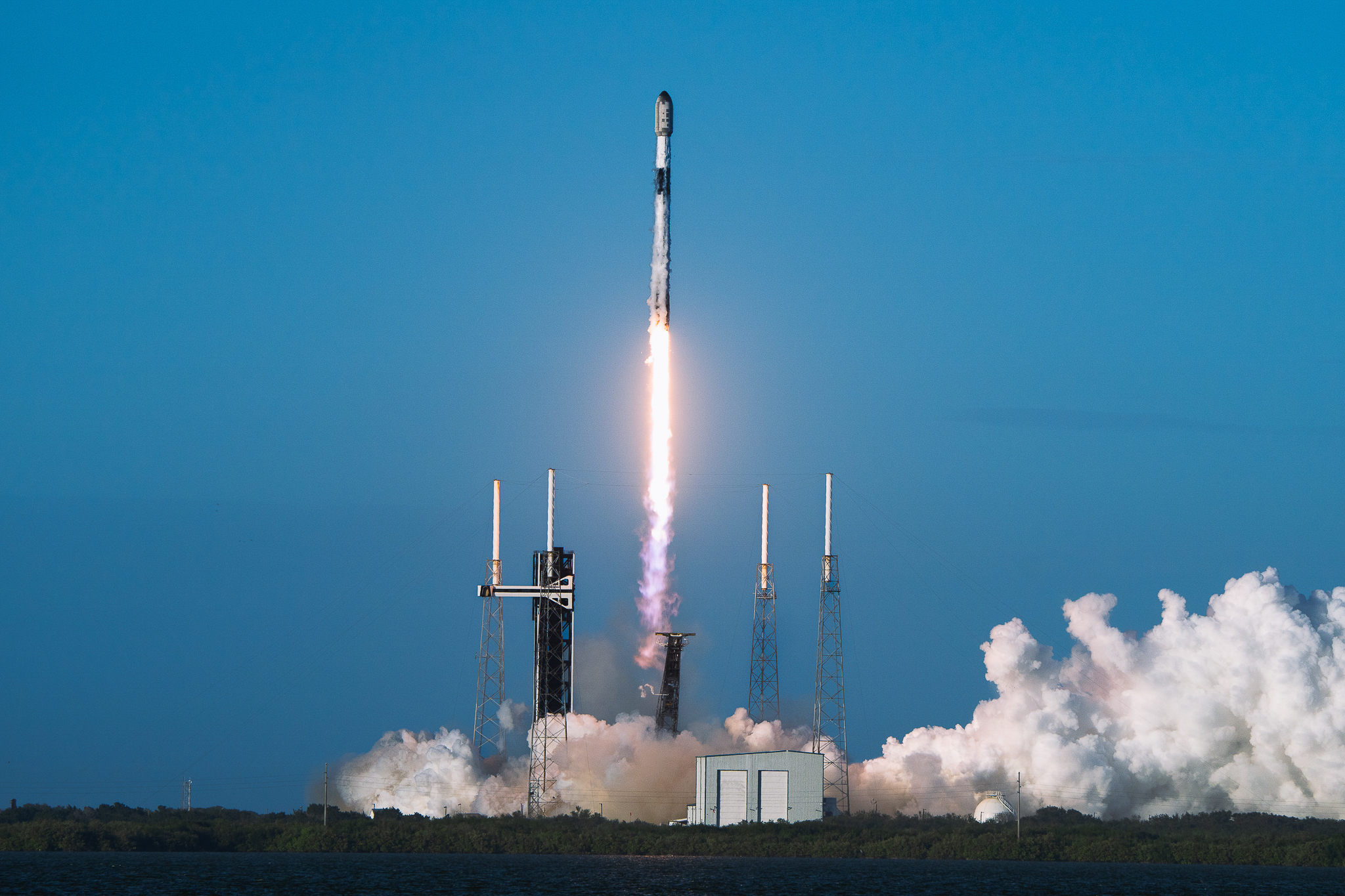
Hey there, Space Fans! 🌌🚀
Today, let’s explore how SpaceX fine-tunes its rocket trajectories using an incredible technique called engine gimbal control. This sophisticated method is essential for ensuring that rockets such as the Falcon 9 and Raptor engine-equipped Starship can make precise adjustments during their flight paths. Intrigued? Let’s dive into the mechanics and technology that make this possible! 🎯✨
Understanding Engine Gimbal Control
At its core, gimbal control is all about steering. The engines on SpaceX rockets are mounted on gimbals—allowing them to pivot along two axes. This flexibility means that instead of relying solely on aerodynamic surfaces for direction, the engines can change their thrust vector. In simple terms, by angling the thrust produced by the engines, SpaceX can alter the rocket's trajectory in real-time. This capability is crucial for achieving the necessary trajectories for launch, ascent, and landing.
When a Falcon 9 rocket lifts off, it generates approximately 1.7 million pounds of thrust—that’s a serious amount of power! To ensure that this immense thrust is directed precisely where it's needed, the gimbal control system can pivot each of its nine Merlin engines by various angles, typically around 10 to 15 degrees. This dynamic maneuverability allows the rocket to execute trajectory corrections, stabilize its flight, and even guide itself for re-entries into the atmosphere! 🔄🔥
Precision in Action
But how does this all work during a mission? Let’s take a look. Once the rocket has launched and passed through the densest parts of the atmosphere, the flight computers continuously calculate the rocket's current trajectory. Using data from onboard sensors and GPS, these computers determine if any adjustments are necessary.
If a deviation occurs—let's say, due to wind shear or atmospheric conditions—gimbal control comes into play. The engines can pivot to redirect thrust, allowing for corrections to be made instantly. The Falcon 9 uses this method during its first stage separation, where it has to turn around and orient itself for landing onboard a drone ship in the ocean. This maneuver involves several complex adjustments, all facilitated by the precise gimbal control capability! ⚖️🚢
Gimbal Control in Starship
Not just limited to Falcon 9, SpaceX's Starship leverages advanced gimbal control. The Raptor engines can swivel to maintain stability even while performing rapid maneuvers during ascent or while en route to other planets. With its ability to produce 230 metric tons of thrust, controlling this immense power accurately is critical for safe journeys to locations like Mars. 🌍🚀
Conclusion
In conclusion, engine gimbal control is a key technology that empowers SpaceX to manage rocket trajectories with unmatched precision. From lifting off in a controlled manner to landing safely on a moving drone ship, the versatility of gimbal control is essential for the success of both Falcon and Starship missions. As SpaceX continues to pioneer advancements in space travel, their innovative use of gimbal technology will remain at the forefront of aerospace engineering.
Thanks for tuning in! Until next time, keep dreaming big and shooting for the stars! 🌠💫
#SpaceX #GimbalControl #RocketTrajectory #Falcon9 #Starship #AerospaceEngineering #Innovation
image credit: SpaceX