How does SpaceX handle the risk of cryogenic fuel boil-off during long-duration Starship missions?
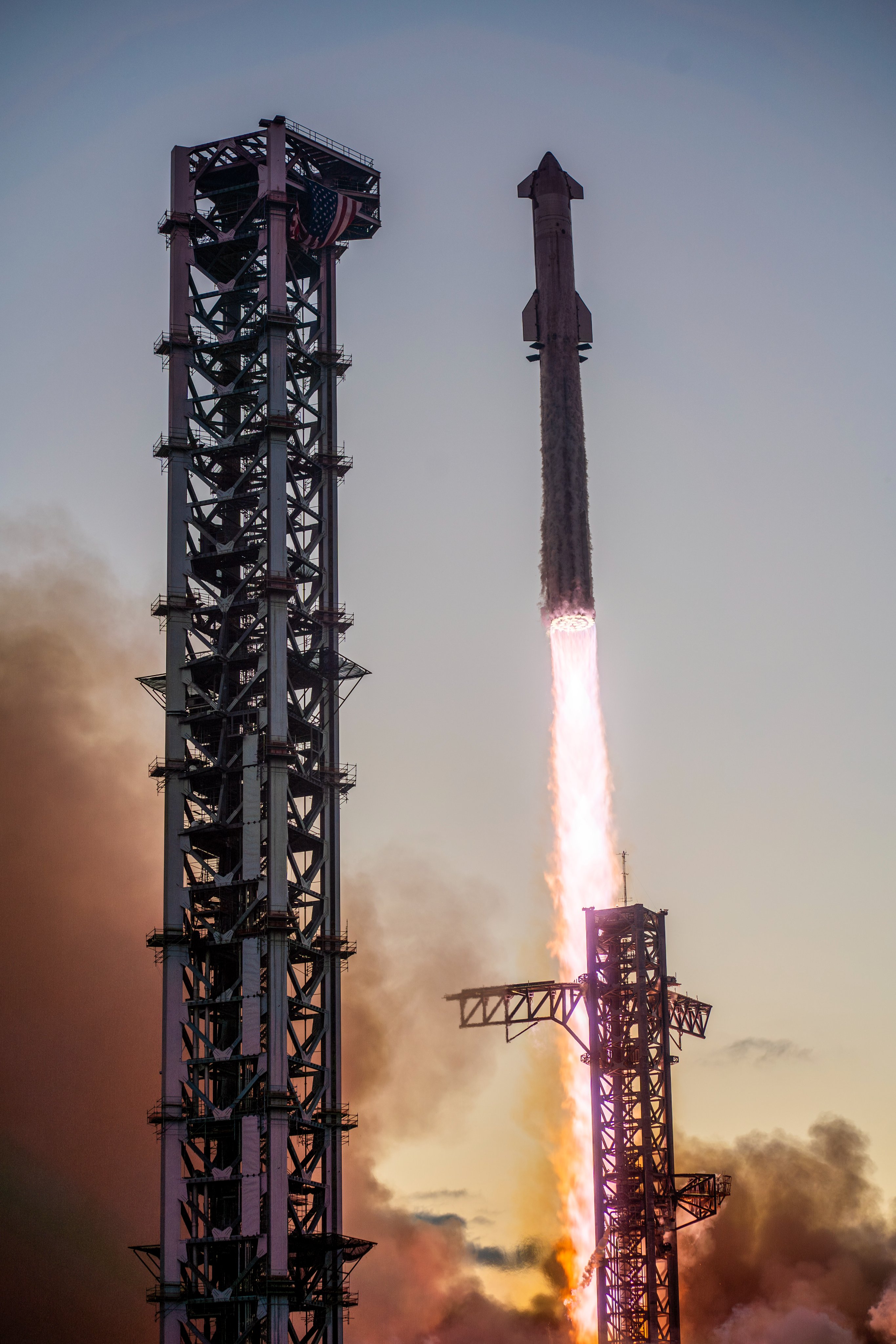
Managing the Chill: A Look at SpaceX's Cryogenic Fuel Boil-Off Mitigation Strategies ❄️☀️
Hey there, fellow space enthusiasts! 👽 As we continue to push the boundaries of space exploration, it's essential to address one of the most significant challenges facing long-duration missions: cryogenic fuel boil-off. At SpaceX, the engineers are well aware of the risks and are working tirelessly to minimize these losses. Let's dive into the fascinating world of cryogenic fuel management and explore the strategies they're developing to ensure the success of Starship missions.
The Cryogenic Challenge
Cryogenic propellants, such as liquid methane (LCH4) and liquid oxygen (LOX), are the fuel of choice for many space missions. These supercooled fluids are essential for achieving the high specific impulse and energy density required for efficient propulsion. However, their cryogenic state also poses significant challenges: boil-off. When these liquids are stored in containers at room temperature, their molecules rapidly gain energy, turning to vapor and causing significant losses. For example, if we assume a typical Starship tank holds 1 million liters of LCH4, a temperature increase from -195°C to -150°C could cause up to 30% of the fuel to boil off—a staggering 300,000 liters! 🚀
Mitigation Strategies
So, how does SpaceX plan to tackle this issue? Here are some innovative solutions:
Thermal Insulation: Advanced multi-layer insulation blankets and vacuum-sealed containers help reduce heat transfer and minimize boil-off. The materials used in these insulation systems can withstand extremely low temperatures (down to -200°C) while still providing adequate structural support.
Cryogenic Fluid Management Systems: Sophisticated systems are being developed to carefully control tank temperature, ensuring that boil-off is kept to a minimum. These systems involve clever use of thermometers, pressure sensors, and heaters to regulate the cryogenic fluids.
In-Situ Resource Utilization (ISRU): For missions to destinations like Mars, where resources are readily available, ISRU offers an attractive solution. The technology allows spacecraft to extract resources from their surroundings, such as Martian air or water, and recycle them into usable propellants. This approach significantly reduces reliance on pre-lifted fuel, minimizing the risk of boil-off during transit. 🔴
Replenishment from In-Transit Resources: As part of the ISRU effort, SpaceX is working on the concept of "in-transit resource replenishment." This involves the use of onboard processing facilities to extract resources from available sources during the mission, such as Martian regolith or the atmosphere, and converting them into usable propellants.
A Long-Term Goal: In-Space Propellant Production
While the current solutions are impressive, SpaceX's ultimate vision is to produce propellants in-space. By leveraging the abundant resources available in the cosmos, the Starship could potentially produce its own fuels, eliminating the constraints of pre-lifted propellants. This goal is being actively pursued through research in advanced technologies like nuclear propulsion, in-situ propellant production using solar energy, and advanced fluid processing systems.
In conclusion, SpaceX is actively tackling the cryogenic fuel boil-off problem through the development of innovative technologies and strategies. Their dedication to addressing these challenges is crucial for the success of long-duration missions and paves the way for the next generation of space exploration endeavors. So, buckle up and get ready for the next chapter in space travel! 🚀
Greetings from the space frontier! #SpaceX #Starship #CryogenicFuelManagement #BoilOffMitigation #In-SpaceResourceUtilization
Image credit: SpaceX