How does SpaceX ensure precise ignition timing for Falcon 9’s three-engine landing burn at speeds exceeding 800 km/h?
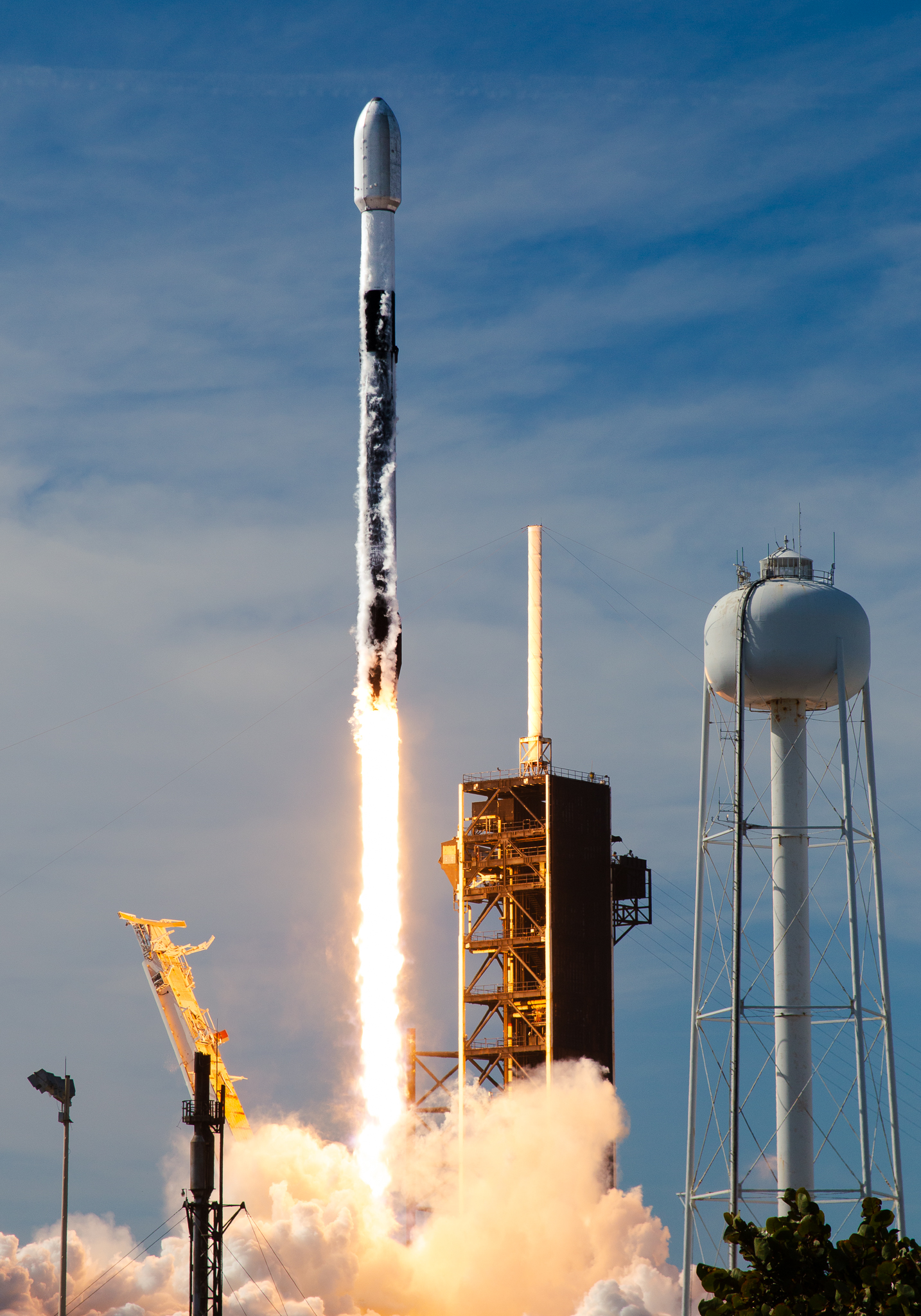
The Science of Precision: SpaceX's Ignition Timing for Falcon 9's Landing Burn 🚀
Hello, space fans! 🌠 Today, we're diving deep into the intricate world of SpaceX and one of the most critical phases of the Falcon 9 rocket's journey: the three-engine landing burn. As the rocket descends back to Earth, it reaches speeds exceeding 800 km/h (about 497 mph) before initiating the landing sequence. The precision required for ignition timing during this high-stakes maneuver is nothing short of extraordinary. So, how does SpaceX achieve this remarkable feat? Let’s break it down!
First, let's set the stage by understanding what happens during the landing burn. As Falcon 9 returns to the atmosphere, it must perform a series of controlled maneuvers before igniting its three Merlin engines for the final descent. These engines provide the necessary thrust to reduce the rocket's velocity and ensure a soft landing, whether on a drone ship at sea or a land-based pad. At over 800 km/h, the timing of this ignition is critical; even a fraction of a second can significantly impact the rocket's landing accuracy. 🔍
SpaceX relies on sophisticated algorithms and an array of sensors to ensure precise ignition timing. The rocket is equipped with inertial measurement units (IMUs), GPS receivers, and telemetry systems that continuously provide real-time data on its velocity, altitude, and orientation. This data is compiled and processed by onboard computers, which execute complex calculations to determine the optimal moment for ignition.
One key aspect of this system is the use of a predictive control algorithm that anticipates the Falcon 9's trajectory during descent. By simulating various flight scenarios, SpaceX engineers can determine the exact point at which the engines should ignite to achieve the desired deceleration and landing profile. For instance, if the rocket is descending at 10 meters per second, the algorithm ensures ignition occurs at precisely the right altitude and speed to bring it to a complete stop just above the landing surface. 🚀
Another point of interest is the Falcon 9's capability of performing a “boostback” maneuver, allowing it to adjust its trajectory before landing. This maneuver occurs shortly before the landing burn and involves re-igniting the engines to change the rocket's flight path. This capability further emphasizes the need for pin-point ignition timing, which SpaceX continuously perfects through rigorous testing and refinements.
To ensure that the ignition happens exactly when needed—regardless of the rocket's high speed or varying atmospheric conditions—redundancy is critical. SpaceX incorporates backup systems and multiple sensor inputs to cross-check data, ensuring that any discrepancies do not lead to a mishap.
In essence, SpaceX's operational excellence and cutting-edge technology allow the Falcon 9 to perform its three-engine landing burn with incredible precision. By harnessing real-time data, advanced algorithms, and robust engineering practices, the company has revolutionized rocket landings and continued its pursuit of reusability. As we look forward to future launches, one thing is certain: SpaceX remains at the forefront of aerospace innovation! 🌟
#SpaceX #Falcon9 #RocketLanding #IgnitionTiming #SpaceInnovation #ReusableRockets
image credit: SpaceX
Humanize