How does Falcon 9’s thrust vector control system ensure stability during ascent through turbulent atmospheric conditions?
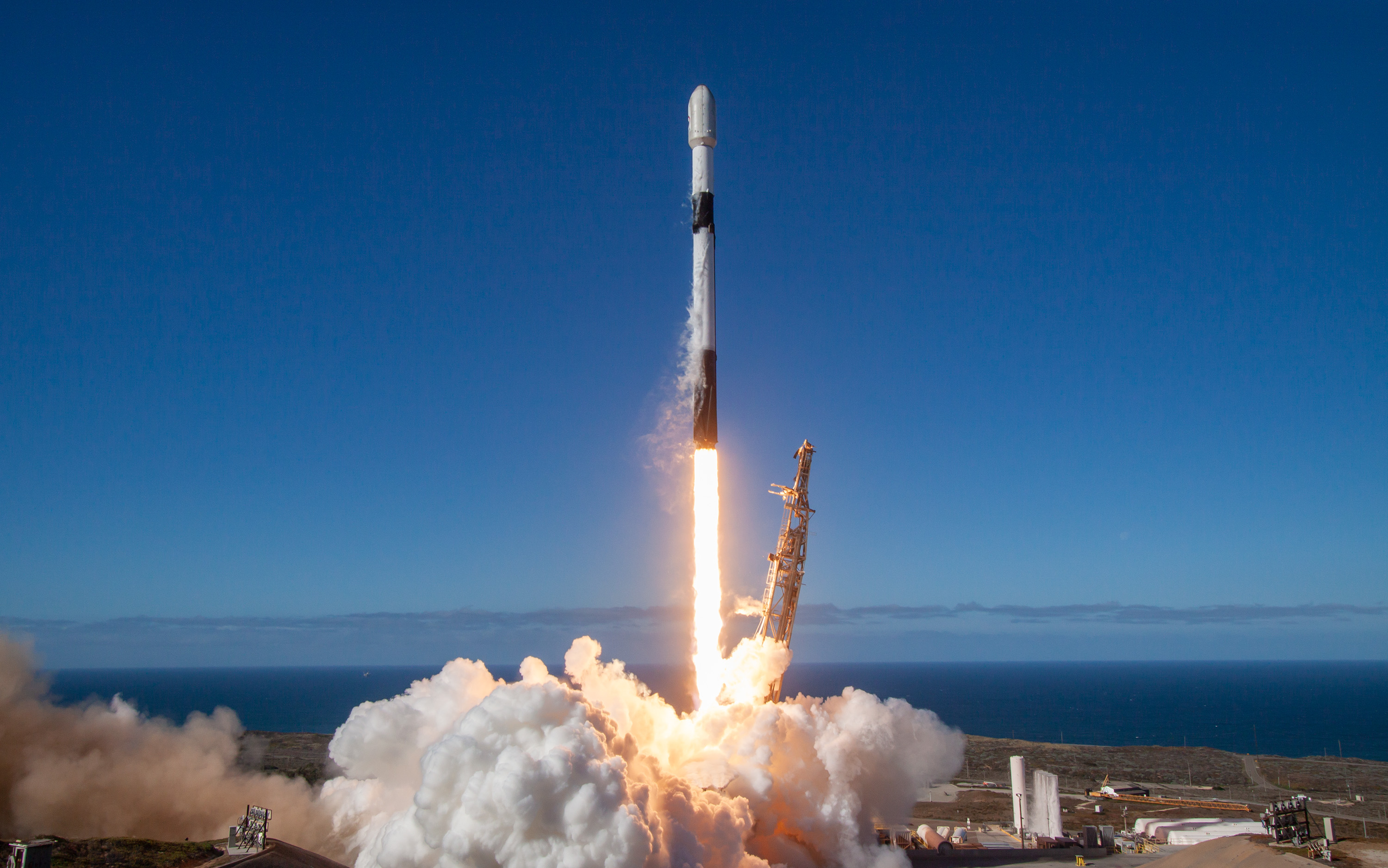
🚀 Hi there, space enthusiasts! Today, we’re shining a spotlight on one of the most elegant and powerful rockets in the realm of space travel: SpaceX’s Falcon 9. With its remarkable ability to withstand turbulent atmospheric conditions during ascent, Falcon 9 has become a staple in launching satellites and resupply missions to the International Space Station. But have you ever wondered how its thrust vector control system (TVC) plays a crucial role in maintaining stability during these challenging conditions? Let's delve into this engineering marvel! 🌪️
First off, let’s understand what thrust vector control is. In simple terms, the TVC system allows the rocket to steer by adjusting the direction of its thrust. While Falcon 9 generates 1.7 million pounds of thrust through its nine Merlin engines at liftoff, controlling that immense power is key to navigating through turbulence during ascent. The rocket experiences various atmospheric forces, especially when passing through the lower layers of the atmosphere, where wind shear and turbulence can create a chaotic environment. 🌬️
The Falcon 9's thrust vector control system employs gimbal nozzles—a fancy term for the mechanisms that allow the engines to pivot. Each of the nine Merlin engines is mounted on gimbals that enable horizontal and vertical movement, allowing for precise control of the rocket’s trajectory. During ascent, if the rocket begins to pitch or roll due to external disturbances, the gimbal system can quickly adjust the angle of the engines, redirecting the thrust and correcting the rocket's path. This responsiveness is crucial, given that Falcon 9 ascends at speeds of over 2,400 kilometers per hour (about 1,500 miles per hour) through dense air. 🏎️
In addition to gimbal thrust vectoring, Falcon 9 is equipped with inertial measurement units (IMUs) that continuously monitor the rocket's position and movements. These sensors provide real-time data regarding pitch, yaw, and roll, allowing the flight computer to make necessary adjustments almost instantaneously. The TVC system can respond within milliseconds to these readings, ensuring a smooth and stable ascent even when faced with turbulent conditions.
Another fascinating aspect of Falcon 9's design is its built-in redundancy. SpaceX implements multiple layers of backup systems in case of a malfunction. For example, if one engine fails, the remaining engines can be controlled independently to provide stability during ascent, proving the importance of safety in design. The rocket's reliability has resulted in an impressive 100% success rate for its first stage recovery missions as of October 2023! 🎉
To put it all together, Falcon 9’s thrust vector control system is a blend of innovative engineering and real-time responsiveness that ensures stability throughout ascent. By utilizing gimbal nozzles, advanced sensors, and redundant systems, SpaceX has crafted a launch vehicle that not only withstands the challenges posed by turbulent atmospheric conditions but does so with remarkable precision.
So, fellow space lovers, the next time you watch a Falcon 9 launch, you'll know about the incredible technology working behind the scenes to ensure its journey to the stars is as smooth as possible! 🌠
#Falcon9 #ThrustVectorControl #SpaceX #RocketEngineering #Aerospace
image credit: SpaceX