How does Falcon 9’s grid fin technology contribute to its precise landing capability?
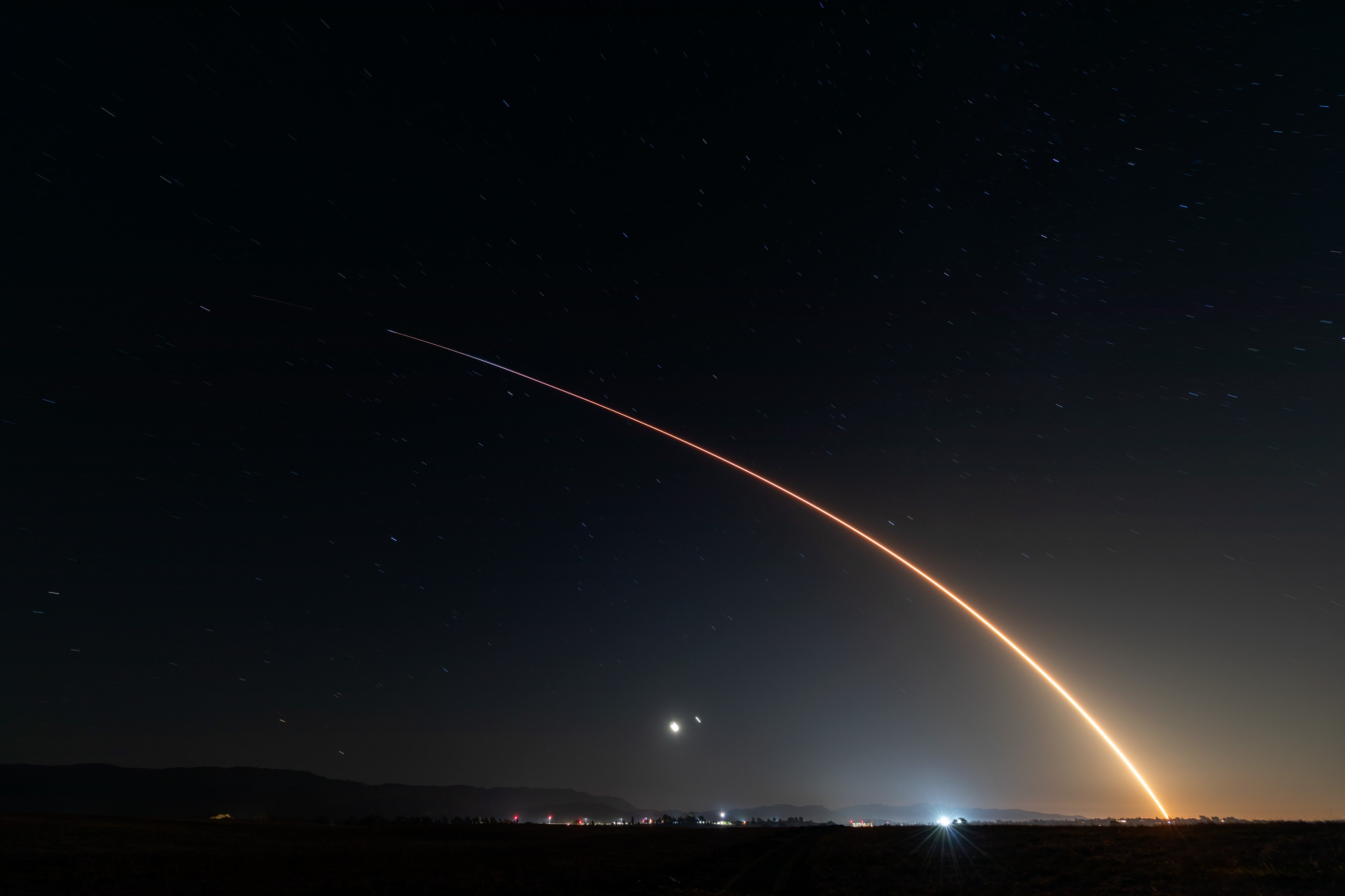
Hello, space enthusiasts! 🚀
When it comes to space travel, we often marvel at the sleek rockets soaring through our skies, but what happens when it’s time to return to Earth? Enter SpaceX's Falcon 9, a pioneering force in reusable rocket technology. One of its standout features? The innovative grid fin technology that allows for pinpoint landing precision! 🎯 But how exactly does this incredible engineering contribute to securing those impressive touchdowns? Let's dive in!
The Grid Fin: A Marvel of Design 🛠️
Falcon 9, with its comprehensive reuse strategy, needs to return safely after delivering payloads to orbit, and that’s where grid fins come into play. These deployed fins are reminiscent of a bird's wings, providing aerodynamic control during descent. Each Falcon 9 rocket is equipped with four grid fins, which form an "X" shape, designed to operate effectively at supersonic speeds. Their array spans approximately 4 meters, allowing for remarkable maneuverability. 🌬️
The Mechanics Behind the Magic ✨
When the first stage of Falcon 9 descends to Earth after launch, it speeds down at a staggering velocity of over 1,500 mph. That's where the grid fins shine. Utilizing aerodynamic forces, they orient the rocket’s trajectory by adjusting the angle of descent. A study by NASA determined that roughly 26% of the rocket's control during descent comes from these grid fins! This dynamic adjustment capability is crucial for guiding the rocket as it makes its way back, whether it’s aimed for a ground landing or a drone ship in the ocean. 🌊
Precision Landing: Numbers That Impress 📊
The grid fin technology has been tried and tested, and its track record is remarkable. Between 2015 and 2021, Falcon 9 successfully completed over 80 missions with a stunning landing success rate—over 90%! That’s an astonishing feat, considering that earlier generations of rockets used to be lost after one use. Falcon 9’s ability to land with precision means it can refly its first stage multiple times, drastically reducing the costs of space travel. The current average cost of launching Falcon 9 is approximately $62 million, but reusing the first stage can save millions per flight! 💰
The Future Beckons 🔭
As SpaceX pushes boundaries with reusable technology, the significance of grid fins may influence future designs across various aerospace fields. The potential for adapting this technology in other space vehicles and industries could redefine how we explore and utilize space.
Conclusion: The Path to Sustainable Space Travel 🌍
In summary, Falcon 9’s grid fin technology is a crucial component in achieving precise landings. This advancement not only demonstrates the ingenuity of modern rocket science but also sets a standard for sustainable space travel. With reliable landing capabilities, SpaceX is actively changing the narrative around cost-efficiency and reuse in aerospace. As we gaze up at those incredible Falcon 9 launches and landings, we’re not just witnessing history; we’re witnessing the future of space exploration unfold before our eyes!
Image credit: SpaceX 👽