How does Falcon 9’s grid fin technology balance aerodynamic forces during descent?
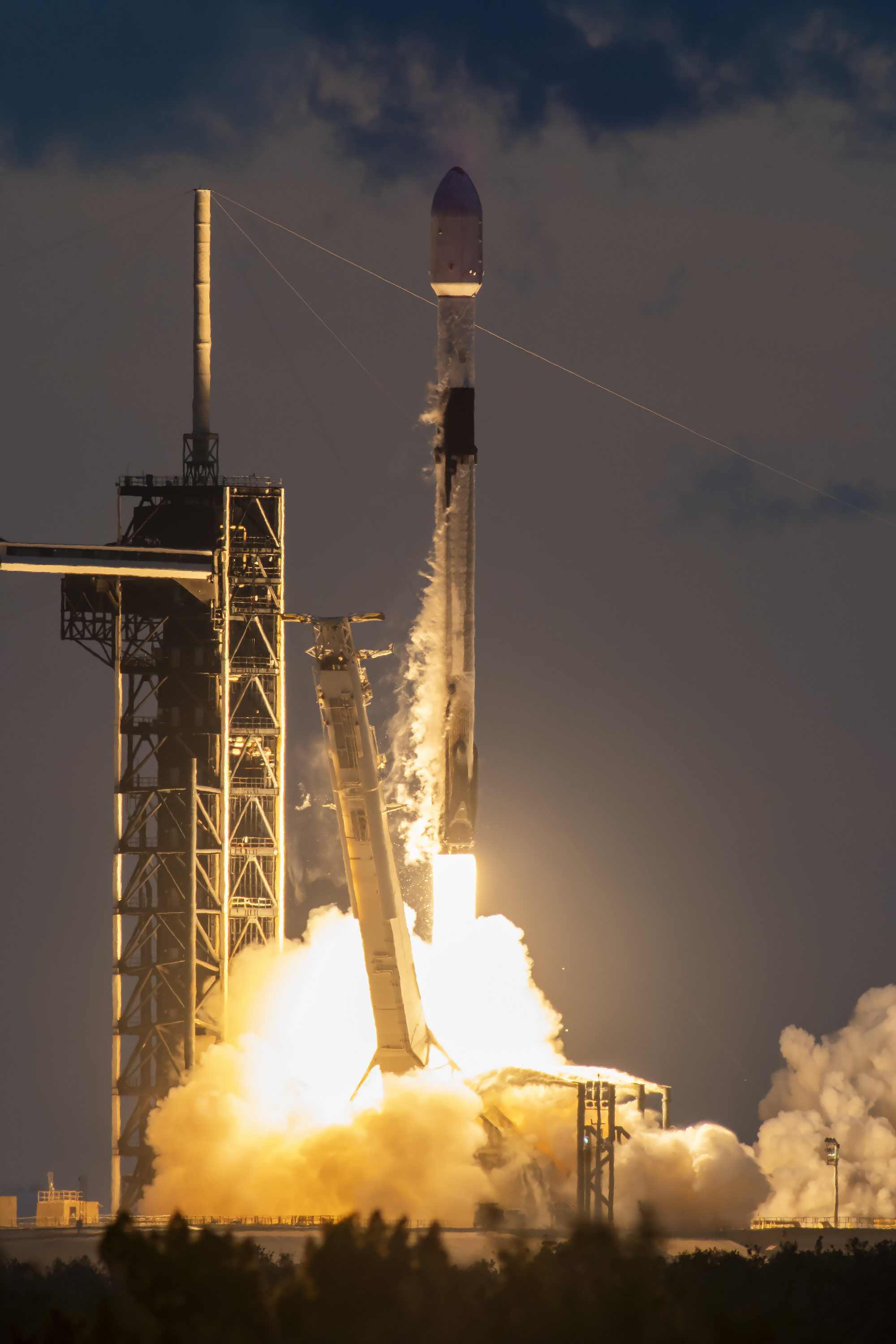
Hey there, fellow space enthusiasts! 🚀 Did you know that the incredible Falcon 9 rocket employs a sophisticated grid fin technology that plays a vital role in managing aerodynamic forces during its descent? Let’s plunge into the mechanics of this fascinating aerospace innovation that has revolutionized rocket recovery! 🌌
First, let’s set the stage. Falcon 9, developed by SpaceX, stands at an impressive 70 meters tall, boasting a payload capacity of about 22,800 kilograms to Low Earth Orbit (LEO). Its pioneering reusable design is aimed at drastically reducing costs associated with space travel. 💰 The return journey begins after the rocket has deployed its payload, typically around 160 kilometers above Earth.
During descent, the Falcon 9 experiences a multitude of aerodynamic forces, primarily drag and lift. Traditional rocket designs typically struggle with stability during this phase, often leading to loss of control. Enter the grid fins! 🕊️ These retractable fins, measuring around 2.5 meters each, are strategically positioned near the top of the rocket's first stage, allowing it to steer itself while plummeting back to Earth at speeds exceeding 1,500 mph (approximately 2,400 km/h).
So, how do these grid fins work their magic? When the rocket reorients itself for landing, the grid fins deploy to create an aerodynamic surface that can manipulate airflow. The unique grid design disrupts the airflow, generating varying levels of lift and drag. This allows the Falcon 9 to change its trajectory almost like a bird in flight—navigating through the atmosphere with astonishing precision. 🕊️❤️ As noted, the fins can pivot and rotate, allowing fine-tuning of the rocket's angle and direction during descent.
Here’s an astonishing fact: Falcon 9’s grid fins have been successful in guiding the rocket back to Earth for landing over 80 times since their first deployment in 2015. That’s a remarkable testament to the technology’s reliability! NASA has expressed admiration for this innovative approach, which not only showcases SpaceX's engineering prowess but also sets the stage for future missions to Mars and beyond. 🔭
But the efficiency of grid fins doesn't stop here! Their design also minimizes the rocket's thermal load upon re-entry. By controlling aerodynamic forces and maintaining a stable descent, Falcon 9 can mitigate extreme temperatures of up to 3,000 degrees Fahrenheit (approximately 1,650 degrees Celsius), ensuring a safe return to Earth. 🌍
With plans for further enhancement, including the potential integration of grid fins into next-generation vehicles, the future of space exploration looks promising! SpaceX is not just painting the sky with its rockets; it’s redefining aerial mechanics and making space accessible to everyone. ✈️✨
So, next time you hear about Falcon 9's successful landing, remember the unsung heroes—the innovative grid fins that keep this technology soaring into the future! Until next time, keep looking up! 🌠
#Falcon9 #SpaceTech #Aerodynamics #GridFins #SpaceX #RocketScience
image credit: SpaceX