How does Falcon 9’s grid fin design contribute to aerodynamic stability during booster descent?
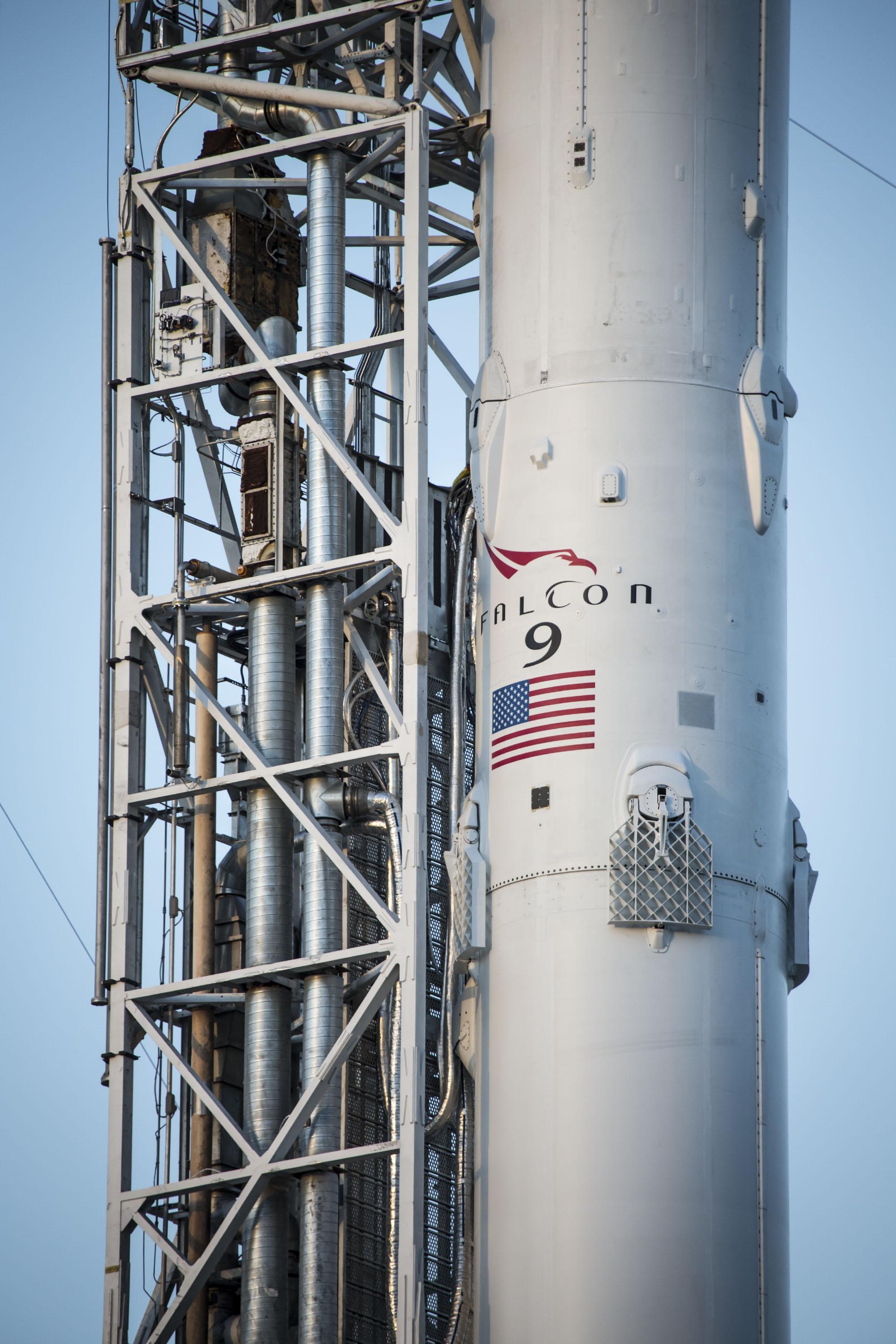
Welcome to the world of rocket science! 🚀 Today, we're going to dive into the fascinating topic of aerodynamics and explore how Falcon 9's grid fin design contributes to its stability during booster descent.
The grid fin, also known as a grid fins system, is a unique feature of the Falcon 9 rocket. It consists of a series of small, triangular fins arranged in a grid pattern on the rocket's second stage. These fins play a crucial role in maintaining the rocket's stability during booster descent, particularly when it's returning to Earth's surface.
So, how does the grid fin design contribute to aerodynamic stability? 🤔 To understand this, let's dive into the basics of aerodynamics. When a rocket returns to Earth's surface, it encounters intense air resistance, which creates a force that tries to push the rocket off course. This force is known as the drag force. To counteract this force, the grid fin design is critical.
The grid fin design allows the rocket to rotate and change its angle of attack during descent, maintaining a stable flight path. This is made possible by the fins' ability to pivot and adjust their angle independently, allowing the rocket to adapt to changing airflow conditions.
During booster descent, the grid fins work together to create what's known as a "stable trim" condition. This occurs when the rocket's center of mass, center of pressure, and center of lift are all in alignment, creating a stable flight path. This stability is crucial during the final stages of descent, as it ensures that the rocket can land safely and accurately.
The grid fin design also provides an additional benefit during booster descent: it enables the rocket to make precise control adjustments. By adjusting the angle of attack, the grid fins can help the rocket make subtle course corrections, ensuring that it lands exactly where it needs to.
The effectiveness of the grid fin design is backed by impressive statistics. During a successful Falcon 9 landing test in 2015, the rocket's grid fins were able to adjust the rocket's angle of attack by up to 25 degrees, maintaining a stable flight path and ensuring a safe landing. 🚀
In conclusion, the grid fin design is a critical component of the Falcon 9 rocket's aerodynamic stability during booster descent. Its ability to pivot and adjust its angle independently allows the rocket to maintain a stable flight path, make precise control adjustments, and ensure a safe landing.
Image credit: SpaceX