How does Falcon 9’s avionics system handle real-time updates during critical flight stages like Max-Q?
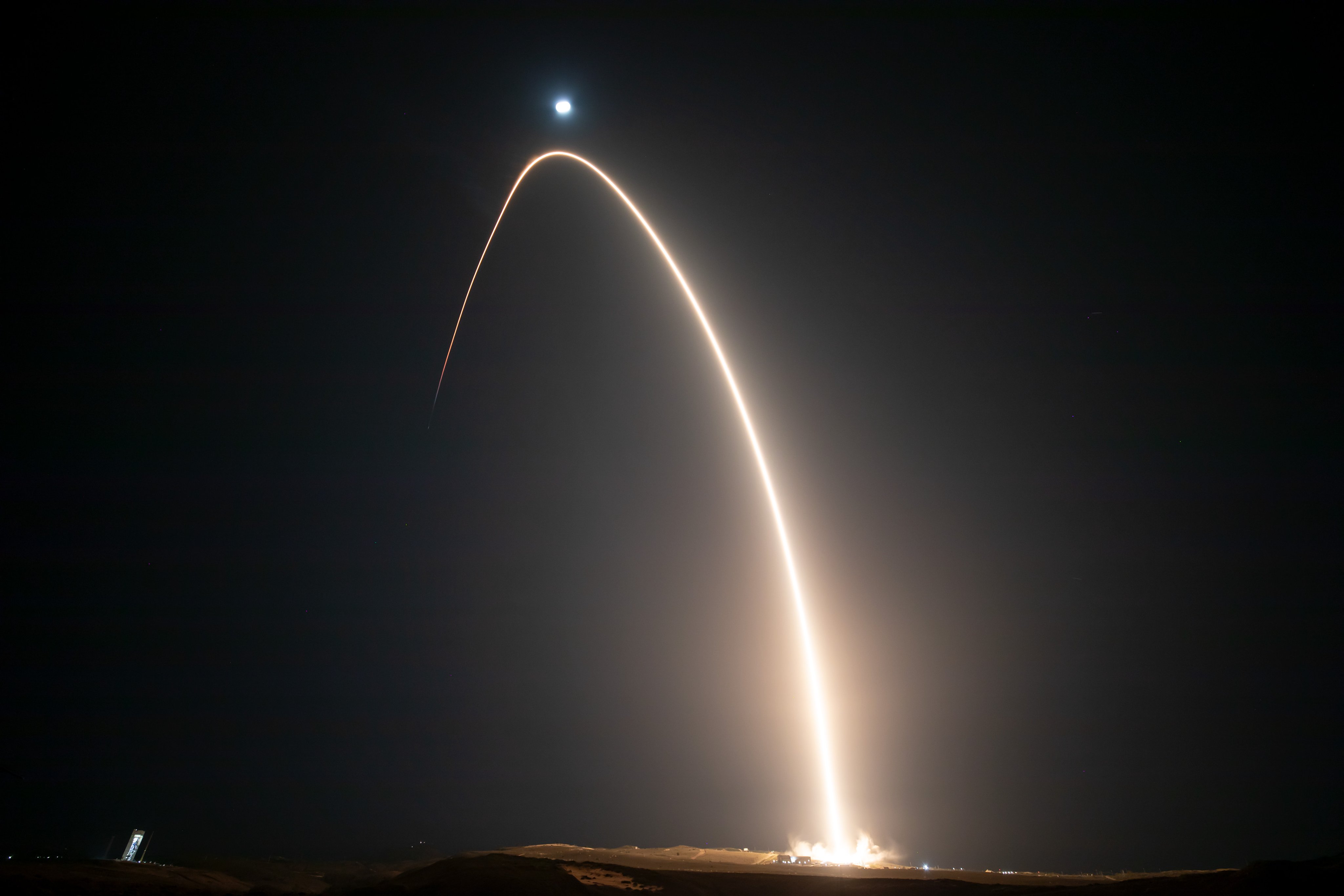
Hello, space aficionados! 🚀 Today, we're delving into the fascinating world of Falcon 9’s avionics system and its incredible ability to handle real-time updates during crucial flight stages, particularly during a moment known as Max-Q. If you're curious about how this technological marvel operates under pressure, you’re in for an enlightening read!
First off, let’s quickly define Max-Q. Occurring approximately one minute and 18 seconds into flight, Max-Q is the point at which the rocket experiences the maximum aerodynamic pressure during its ascent through Earth’s atmosphere. For Falcon 9, this is a critical moment, as it must withstand extreme forces while maintaining a steady trajectory. 🏔️ At this stage, Falcon 9 is traveling at around 1,500 kilometers per hour (approximately 1,000 miles per hour) and enduring stresses exceeding 2.5 G!
The avionics system on Falcon 9 is the brain of the operation, designed to ensure that the rocket navigates these physical stresses seamlessly. But how does it manage to process real-time data so effectively? 🤔
Falcon 9 utilizes a robust array of sensors and computers that constantly monitor various parameters, including speed, altitude, and structural integrity. Equipped with a flight computer called the Falcon Control Computer, the avionics system makes decisions based on a series of pre-defined algorithms. This system processes data at lightning speed—up to 1,000 times per second—to evaluate conditions in real time. Imagine trying to solve a complex math problem while riding a roller coaster; that’s the kind of rapid response the avionics must maintain! 🎢
During Max-Q, as aerodynamic pressures peak, the avionics system plays a crucial role in controlling thrust and adjusting engine performance. If the sensors detect that the rocket is experiencing excessive G-forces or unusual vibrations, the system can reconfigure the thrust levels in milliseconds. This flexibility essentially allows the Falcon 9 to “feel” its environment and adapt its response nearly instantaneously.
Furthermore, the system communicates with the ground control and other on-board systems, ensuring that everyone stays on the same page. Real-time telemetry data is transmitted back to mission control, providing critical information for teams tracking the rocket’s performance. In fact, Falcon 9 has achieved a success rate exceeding 98% for its launches—largely due to these advanced avionics capabilities! 🌟
Additionally, the Falcon 9 avionics system includes redundancies designed to ensure reliability. Should one part of the system encounter a malfunction, backup systems can take over, maintaining mission integrity. This level of resilience is vital, especially when operating in the unforgiving environment of space.
In summary, Falcon 9’s avionics system is a sophisticated blend of real-time data processing, responsive control algorithms, and critical communications—an ensemble that enables the rocket to handle the intense stresses of Max-Q smoothly. As we continue to push the boundaries of space exploration, the technology behind Falcon 9 stands as a testament to innovation in aerospace engineering. Until next time, keep looking up! #Falcon9 #SpaceX #AerospaceEngineering
image credit: SpaceX