How does Dragon’s propulsion system handle redundancy during orbital maneuvers in low Earth orbit?
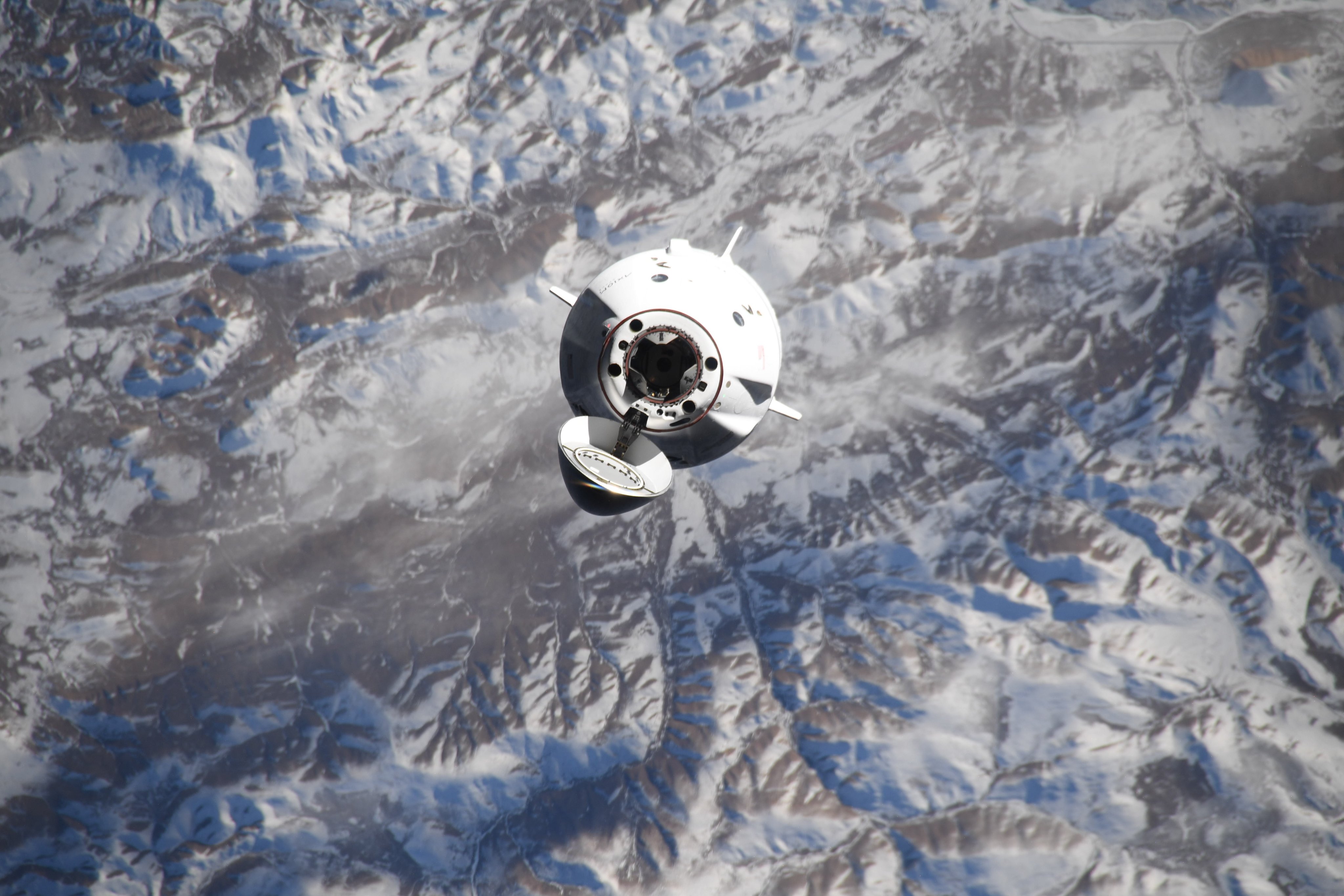
Hello, space explorers! 🌠 Today, we’re diving into the nitty-gritty of SpaceX’s Dragon spacecraft and how its propulsion system ensures reliability through redundancy during orbital maneuvers in low Earth orbit (LEO). With missions carrying astronauts and vital cargo to the International Space Station (ISS), this robust technology is crucial for safe and efficient space travel. So, let’s lift off! 🚀
The Dragon spacecraft is outfitted with a powerful and intricate propulsion system designed not just for launch but also for maneuverability in the harsh environment of space. One of the key components of this system is the SuperDraco engine, which can generate up to 16,000 pounds of thrust. Each Dragon capsule is equipped with eight SuperDraco engines, and crucially—this is where redundancy comes into play! 🔧
Redundancy is a safety net designed to ensure that if one engine fails, others can take over and maintain the necessary control during maneuvers. For instance, even if a couple of engines were to experience issues, Dragon can still complete its critical orbital adjustments effectively using the remaining engines. This aspect of design ensures that the spacecraft can perform abort maneuvers, cargo deliveries, and atmospheric re-entries safely under various circumstances. In the demanding environment of LEO, where every second counts, this reliability can’t be overstated. 🌌
During its missions, Dragon typically operates at altitudes of around 400 kilometers (about 248 miles) above Earth. At this height, the spacecraft needs to execute precise maneuvers, such as rendezvous and berthing with the ISS. The Dragon relies on its thrusters for these adjustments, which can operate in various configurations; if primary systems experience issues, the backup systems can initiate through cross-linking to ensure consistent performance. For example, if one thruster fails, another can be commanded to compensate for the loss, maintaining the spacecraft’s trajectory and stability.
Furthermore, Dragon’s avionics system continually monitors the health of the propulsion system. It collects data from the engines, assesses their performance, and executes preemptive commands to switch to backup systems if any abnormalities are detected. This proactive approach adds another layer of assurance for mission control, ensuring that every mission adheres to the highest safety standards. 📊
In practical terms, during a recent mission, Dragon CRS-23 rendezvoused smoothly with the ISS, highlighting the effectiveness of this redundancy in action. It’s important to note that the Dragon’s reliability has contributed to SpaceX’s resounding success; after more than 20 cargo resupply missions, its performance proves that redundancy is not just a concept, but a fundamental pillar of space travel.
So, there you have it! A deep dive into the resiliency of Dragon's propulsion system during orbital maneuvers. The commitment to safety, innovation, and reliability embodies the spirit of the new age of space exploration we've all been waiting for! 🌟
Thanks for joining me on this exploration! I’m eager to hear your thoughts—what other features of the Dragon do you find most fascinating?
#SpaceX #Dragon #PropulsionSystem #Aerospace #Innovation
image credit: SpaceX