How do the conditions in Mare Frigoris differ from those in the Moon's equatorial maria, such as Mare Imbrium?
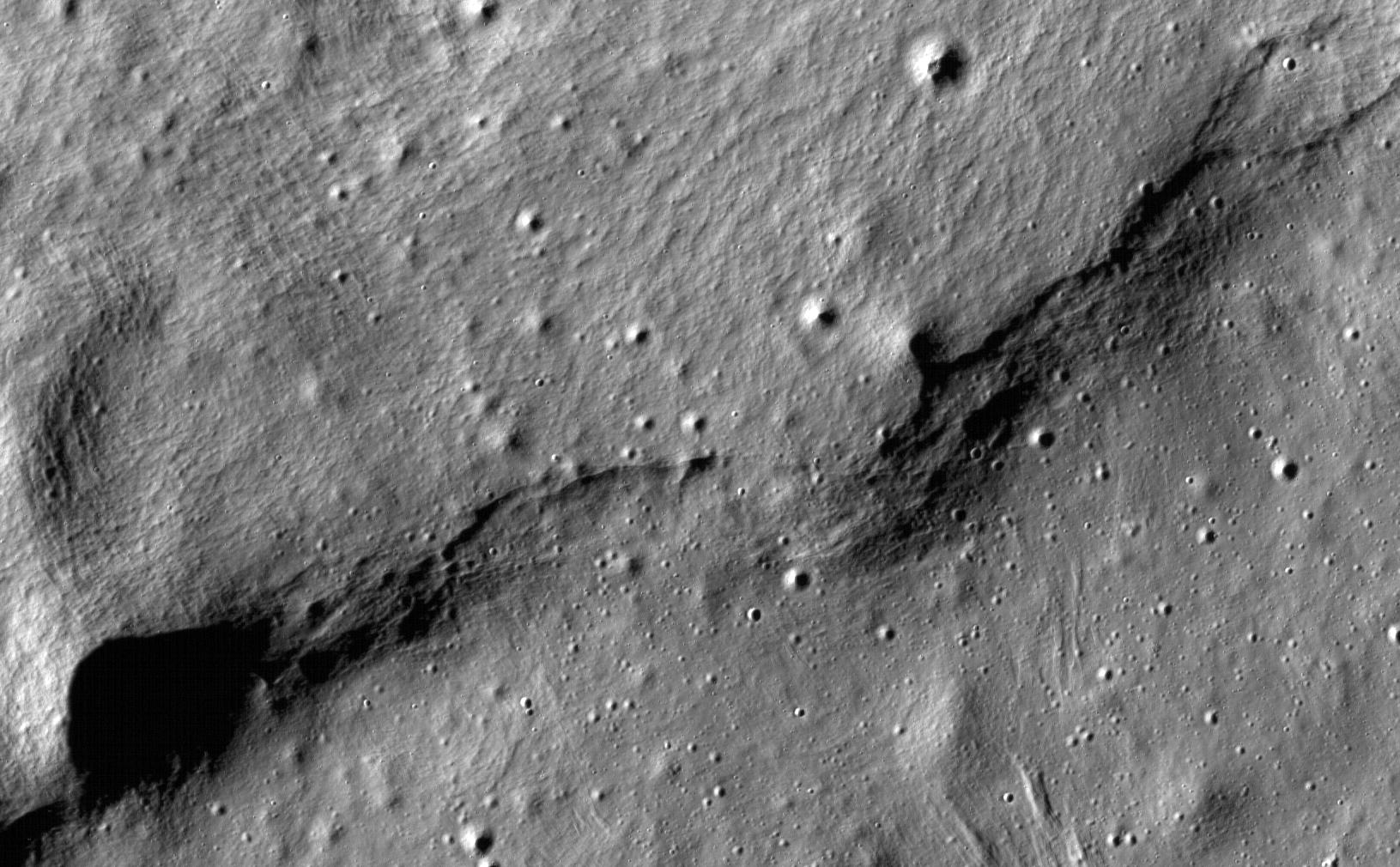
Hey there, lunar lovers and science buffs! 🌕✨ Today, we’re diving into the fascinating world of the Moon’s surface, specifically contrasting the conditions in Mare Frigoris with those in the Moon’s equatorial maria, like Mare Imbrium. While both of these regions are part of lunar geography, they each hold unique characteristics and mysteries waiting to be uncovered. Let’s explore! 🚀🔍
Mare Frigoris, often referred to as the "Sea of Cold," lies in the northern hemisphere of the Moon and spans approximately 1,130 kilometers (about 700 miles) in diameter. In contrast, Mare Imbrium, or the "Sea of Rains," is one of the largest maria on the Moon, measuring about 1,145 kilometers (approximately 712 miles) across. With such vast dimensions, these regions give us insight into the Moon's geological history. However, the conditions in these maria starkly differ, due in part to their geographical location.
Temperature is one striking factor. Mare Imbrium, situated more towards the equator, experiences higher average temperatures ranging from about -20°C to 120°C (or -4°F to 248°F) depending on the time of day. In contrast, Mare Frigoris, being further north, faces lower temperatures—averaging around -30°C (-22°F) and occasionally dipping even lower. This more frigid environment impacts the physical and chemical processes occurring in the soil and surface materials. ❄️🌌
Another notable difference lies in the composition of the lunar surface. Mare Imbrium is primarily made up of basaltic lava flows formed during volcanic activity, providing a relatively smooth surface. Its younger age, estimated at about 3.2 billion years, means it experiences fewer craters, offering an intriguing window into the Moon's volcanic past. On the other hand, Mare Frigoris has a more rugged terrain and is older, dating back to around 3.8 to 3.9 billion years, showing signs of extensive impact cratering. This age difference can give clues about the Moon's geological evolution. 🌋🕰️
Moreover, compared to Mare Imbrium’s basalt-rich composition, Mare Frigoris contains a complex mix of clays and other materials, resulting from ancient impacts and subsequent geological processes. This unique mix could hold information on the Moon’s history and the processes that formed its crust. Studies of the mineralogy and resources found in Mare Frigoris could even help identify potential areas for future lunar missions. 🪨🔬
Lastly, let's talk about sunlight exposure. The northern latitudes of Mare Frigoris can receive prolonged shadows due to the Moon's axial tilt, which affects the temperatures and conditions for any potential lunar habitats. In contrast, the more equatorial strips of Mare Imbrium bask in more direct sunlight, providing better potential for solar energy utilization. ☀️🔋
In summary, while both Mare Frigoris and Mare Imbrium are significant features of the Moon, they exhibit striking differences in temperature, geological composition, and sunlight exposure. These variations not only deepen our understanding of the Moon’s history but also guide future exploration efforts aimed at uncovering the mysteries of our closest celestial neighbor.
#MareFrigoris #MareImbrium #MoonExploration #LunarGeology #SpaceScience
image credit: SpaceX