How do Starship’s automated docking systems compare to manual docking procedures for crewed missions?
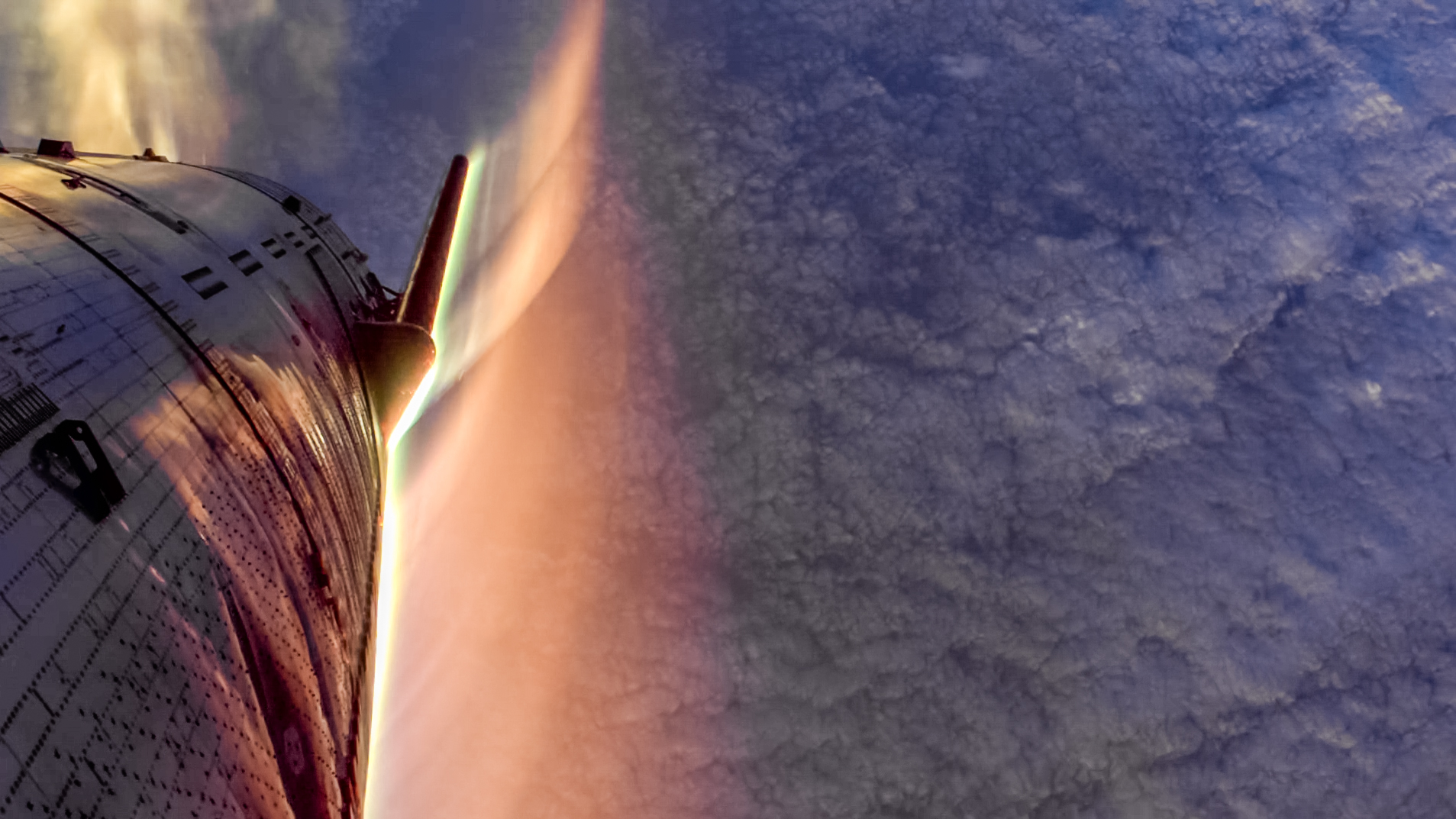
How Do Starship’s Automated Docking Systems Compare to Manual Docking Procedures for Crewed Missions? 🚀🤖
Hello, space aficionados and curious minds! 🌌 Today, let’s explore the fascinating world of docking technology, specifically focusing on Starship's advanced automated docking systems and how they stack up against traditional manual docking procedures for crewed missions. As we venture further into the cosmos, the efficiency and safety of our space missions have never been more crucial! Let’s get into it. 🌠🔧
First off, what are docking procedures? In simple terms, it's the method by which spacecraft connect in orbit, allowing for the transfer of crew, cargo, and fuel. Historically, manual docking has required a skilled pilot to navigate the spacecraft into position. While crewed missions, such as those to the ISS, have successfully employed manual docking (with the help of systems like the Russian Soyuz), the process can be intricate, requiring intense focus and precision, and can be stressful. In fact, it’s estimated that during manual docking, astronauts can face up to 30 different parameters to monitor, including speed, angle, and distance. 🚀✨
Now, enter Starship’s automated docking system! The advancements in automation are truly impressive. Designed to enhance reliability and reduce human error, Starship's automated docking process relies on sophisticated software, cameras, LIDAR, and sensors to assess the docking situation in real-time. This system can calculate and execute the docking maneuver autonomously, making adjustments as necessary. The ultimate goal? To simplify the procedure and increase safety! 🌍🔍
One of the key advantages of automation in the docking process is speed. Traditional manual docking can take upwards of 45 minutes or more, depending on conditions and pilot experience. In contrast, Starship’s automated system can potentially complete the docking sequence in a fraction of the time—possibly around 15 minutes. This increased efficiency is critical for operations, especially in high-stakes scenarios like resupply missions or emergencies. ⏳⚡
Safety is another significant factor to consider. With standard manual procedures, human error is always a risk—accounting for fatigue, stress, or unexpected situations that can occur during operations. Automated systems, with their fast reaction times and precise calculations, can eliminate many of these uncertainties. Additionally, in the event of a malfunction, the automated docking system is designed to perform safe abort procedures, allowing the spacecraft to retreat and reassess before attempting to dock again. The redundancy in such systems cannot be stressed enough; rely on numbers, and you can expect a 99.9% reliability rating under optimal conditions for automation compared to a manual system's average reliability, which sees more fluctuations due to human factors. 🛡️🤝
Of course, while automation presents incredible benefits, we should not overlook the importance of human oversight. A hybrid approach ultimately could be the most effective today—allowing astronauts to step in if needed while reaping the rewards of automation. Starship’s automated docking systems provide an essential skeleton on which to build the future of space travel, freeing astronauts from high-pressure tasks so that they can focus on the mission's goals.
In conclusion, as we look towards a future of deep-space exploration, Starship's automated docking systems stand out as a groundbreaking advancement over traditional manual procedures. From increased efficiency and safety to the potential for transformative crewed missions, this technology promises to play a crucial role in our journey beyond Earth. Onward to the stars! 🚀🌌 #Starship #AutomatedDocking #SpaceExploration #HumanSpaceflight #Innovation
image credit: SpaceX