How could Starship’s 1,200-ton thrust capability influence the design of future interplanetary cargo missions?
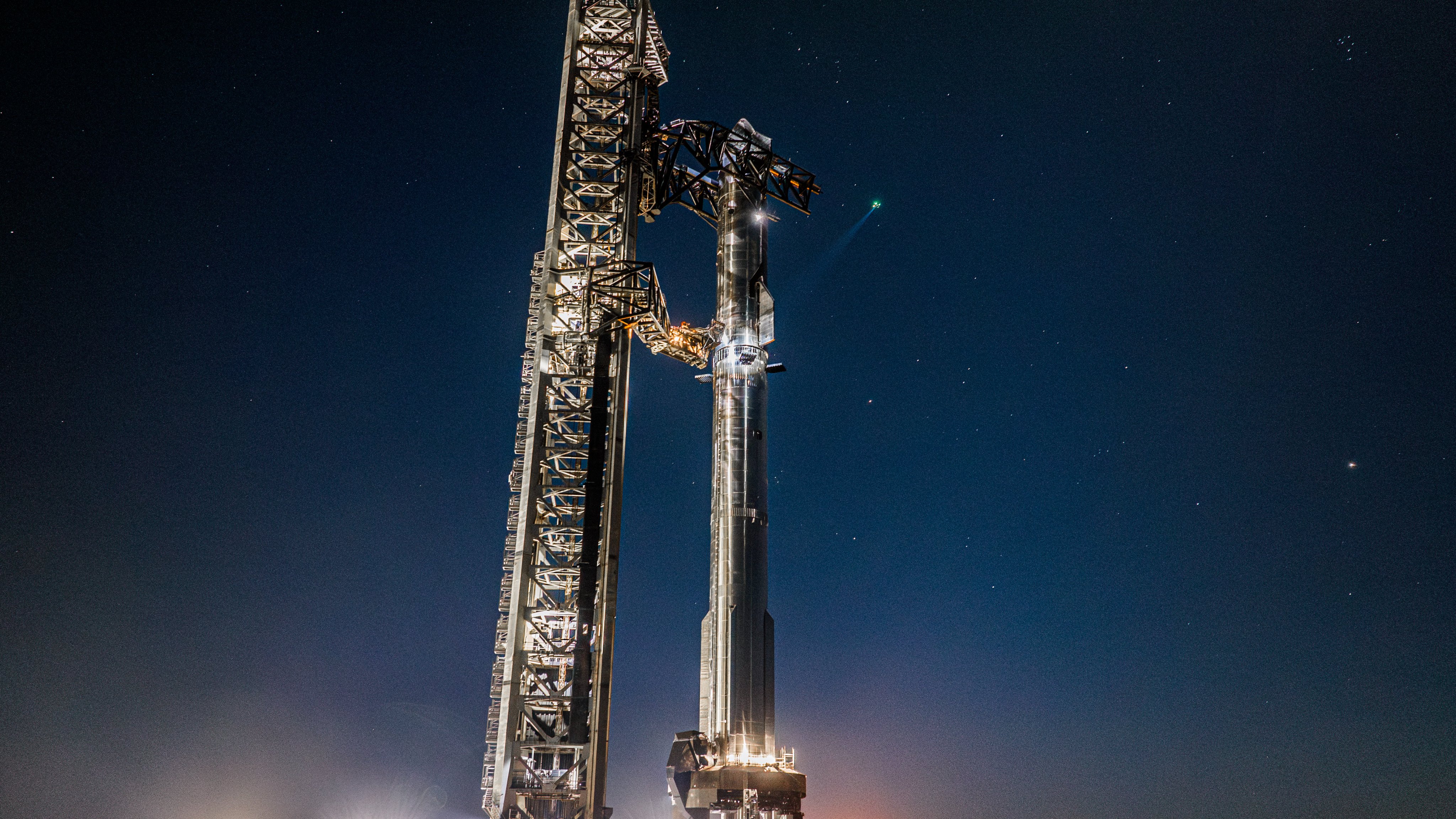
🚀 Hey there, space enthusiasts!
The dawn of a new era in space exploration is upon us, thanks to SpaceX's Starship rocket, boasting a staggering thrust capability of 1,200 tons. This incredible power can have a profound impact on the design and execution of future interplanetary cargo missions. Imagine the possibilities! 🤩
First, let's break down that impressive thrust right away. With over 16 million pounds of thrust generated by its Raptor engines, Starship can carry around 100 metric tons to Low Earth Orbit (LEO). This means that future cargo missions could transport not only essential supplies for planetary colonization but also heavy machinery, scientific instruments, and even large-scale habitat modules all in one go! 🌌
One of the critical benefits of this thrust power is the potential for efficient multi-cargo missions. NASA's Artemis program aims to establish a sustainable presence on the Moon with an estimated 96 tons of payload required for lunar landings and operations. With Starship's capabilities, multiple lunar missions could be combined, saving both time and resources, and significantly lowering costs. Given that current launch costs can soar up to $10,000 per kilogram, the ability to haul heavier payloads could drastically change the economic landscape of space travel. 💰
Moreover, interplanetary missions often grapple with the challenge of launching multiple vehicles with smaller payloads. Currently, the Mars mission planning processes suggest at least three launches are necessary just for initial crew landings and equipment placement. With Starship’s enhanced payload capacity, a single launch could consolidate much of that cargo, ultimately streamlining the mission timeline and improving safety. 🌠 For example, if NASA aims to send a crewed mission to Mars that requires 250 tons of cargo, Starship could handle this in as few as three launches, based on its current lifting capacity! That's a leap forward!
Let’s not forget about sustainability. Future missions could incorporate reusable systems for returning cargo from Mars to Earth, such as bringing valuable materials back for research and utilization. This not only enhances the sustainability of expedition operations but also paves the way for a potential Martian economy! 💼
Colleagues in the space industry have already pointed out the implications of Starship’s advancements on the design of habitats. The capability to deliver larger assets would necessitate innovative engineering solutions. Think larger, more resilient habitats, bigger greenhouses, and sustainable life support systems that can enable long-term colonies on Mars or even beyond.
So, whether it's establishing footholds on Mars, setting up research stations on asteroids, or transporting resources across the solar system, the 1,200-ton thrust capability of Starship could very well redefine how we approach interplanetary cargo missions in the years to come. 🌍✨
Catch you next time, space fans! Until then, keep dreaming big! #SpaceX #Starship #InterplanetaryTravel #CargoMissions #FutureOfSpace #MarsBound
image credit: SpaceX