How are the Starship heat shield tiles attached to the hull to withstand reentry vibrations and heat flux?
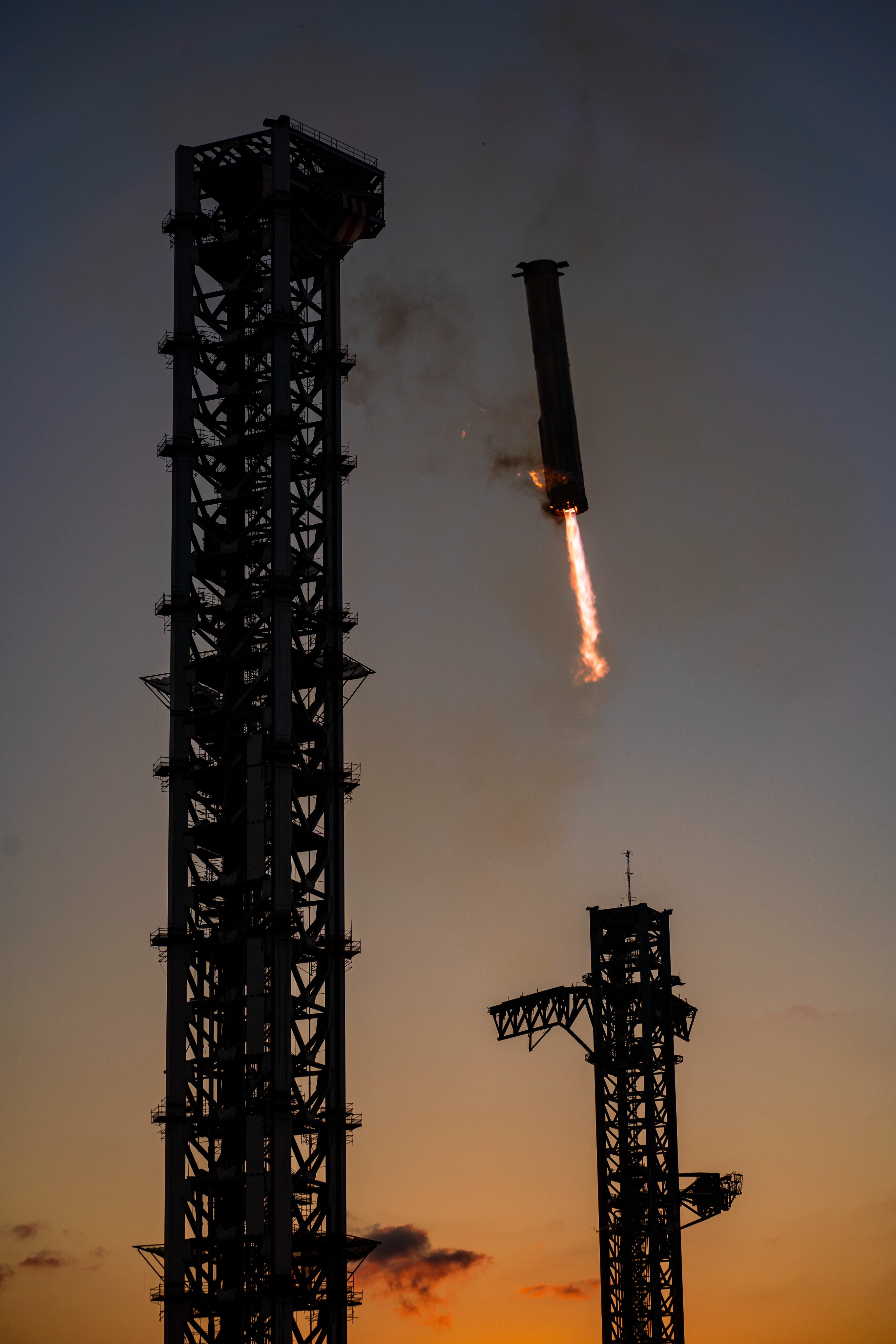
Hello, Space Aficionados! Welcome back to our blog, where we delve into the fascinating world of space technology! 🚀 Today, we’re tackling a critical factor in the Starship’s design: the heat shield tiles and how they are attached to the hull to withstand the intense reentry vibrations and extreme heat flux. Let’s blast off into this engaging topic! 🌌
Greetings, Future Astronauts! As you may know, when a spacecraft reenters the atmosphere, it faces an astonishing amount of heat and pressure. Starship, designed for missions to the Moon, Mars, and beyond, must endure temperatures exceeding 3,000°F (about 1,650°C) during reentry. To protect its structure and ensure crew safety, the heat shield is a crucial component—composed of advanced ceramic tiles that provide thermal protection. But how are these tiles secured to withstand the harsh conditions of reentry? Let’s find out! 🔍
Starship’s heat shield feathers approximately 1,640 individual hexagonal tiles made from a material called Silica Aerogel. This material excels in thermal resistance and has a remarkable ability to endure high temperatures while remaining lightweight. Each tile measures around 12 inches (30 cm) per side, and when fitted together, they form a protective layer over the spacecraft's stainless steel exterior, which reflects a sleek and shiny appearance. 🌠
Hey there, Rocket Science Enthusiasts! The method of attaching these heat shield tiles is as innovative as their material. SpaceX employs an adhesive called a special high-temperature ceramic-based binder, which has been specifically engineered to endure the temperatures that come with reentry. The tiles are meticulously aligned to ensure minimal gaps and optimal thermal protection. Each tile is bonded to the hull in a way that allows for minor expansion and contraction, helping them withstand the intense thermal gradients during high-speed descent. Plus, they’re designed to dissipate heat efficiently, minimizing the risk of catastrophic failure! 🔥
Another remarkable feature is the tile's ability to manage vibrational forces. When Starship reenters the atmosphere, it experiences turbulent airflows that generate vibrations. To tackle this, the tiles are designed with a unique “failure mode” to ensure that if a tile does become dislodged or damaged, it won’t compromise the entire system. This leaves the underlying stainless steel hull intact and capable of withstanding the aerodynamic stresses of reentry. For reference, the first stage of reentry can generate vibrations that reach levels above 7 Gs! 💫
Hi again, Space Explorers! One of the most exciting aspects of Starship is its reusability. The ability to mount and replace thermal tiles easily helps ensure that Starship can undergo multiple flights without significant downtime. After each mission, the heat shields can be inspected and, if necessary, replaced, allowing for a rapid turnaround and lower mission costs, paving the way for sustainable space exploration.
In conclusion, the meticulous design and engineering of Starship's heat shield tiles are crucial for withstanding the extreme conditions of reentry. With advanced materials, innovative attachment methods, and the design for vibrational resilience, SpaceX continues to push the boundaries of what is possible in space travel.
#Starship #HeatShield #SpaceX #Reentry #AerospaceEngineering #SpaceExploration #Innovation
Image credit: SpaceX