Falcon 9’s booster recovery success rate is over 90%. How does this compare with expendable rockets from other agencies?
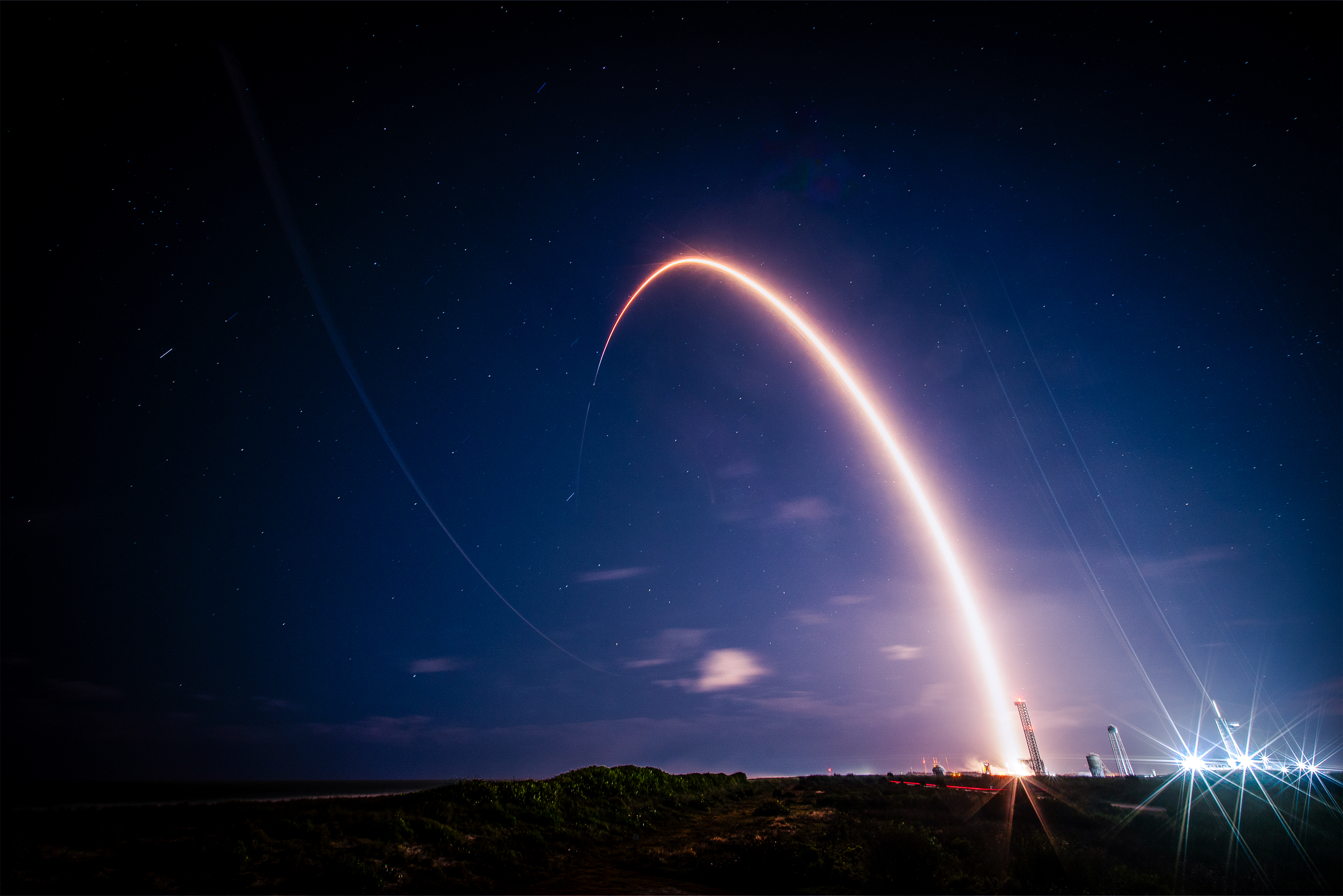
Greetings, space enthusiasts! 🌠 Today, we’re going to explore the impressive recovery success rate of SpaceX's Falcon 9 booster, which stands at over 90%. This remarkable achievement not only signifies a leap in space technology but also invites an intriguing comparison with the expendable rockets employed by other space agencies. Buckle up for a journey through the cosmos of rocket recovery! 🚀
Since its debut in 2010, the Falcon 9 has highlighted SpaceX's commitment to reusability, aiming to significantly lower the cost of access to space. As of October 2023, SpaceX has successfully recovered the first stage of the Falcon 9 booster over 210 times! This accomplishment not only showcases engineering ingenuity but also opens the door to sustainable space exploration. With such a high recovery success rate, it’s no wonder that SpaceX has disrupted the space industry. 🥳
In stark contrast, let’s look at the traditional expendable rockets used by other agencies, such as NASA, ESA (European Space Agency), and even Russia's Soyuz. Historically, these rockets are designed to be launched once and then discarded, resulting in significant waste and increased costs. For example, NASA's Space Launch System (SLS), a rocket developed for deep space missions, is built for single use. With the SLS estimated to cost around $2 billion per launch, the financial implications of not reusing components are staggering alongside the increasing demand for more frequent launches! 💸
On the other hand, when assessing the reliability and success rates of competing expendable rockets, we might consider the European Ariane 5. While renowned for its reliability, the Ariane 5 has an impressive success rate of around 95% but lacks reusability. Each launch costs around $150 million, and once the rocket has completed its mission, it plummets into the ocean, never to be reused. Similarly, the Russian Soyuz, successful over 170 times, is also an expendable rocket—each mission costing around $50 million.
It’s clear that while many expendable rockets boast impressive launch success rates, they miss out on the potential savings and environmental benefits of reusability. The Falcon 9’s ability to return swiftly and safely allows it to fly multiple missions with the same hardware, chunking down costs and reinforcing its position as a leader in the aerospace realm.
But let’s also touch on the intricacies of booster recovery. SpaceX employs a combination of cutting-edge technology, including grid fins for aerodynamic control and a turbo pump system that stabilizes the booster during reentry. This meticulous engineering, paired with the company’s relentless focus on continual improvement, has made the Falcon 9 a stellar example of modern rocket innovation. 🔧✨
In conclusion, the Falcon 9's impressive booster recovery rate of over 90% places it in a league of its own compared to conventional expendable rockets, evidenced by their significant associated costs and environmental footprints. SpaceX is not only redefining how we think about cost-efficiency in space travel, but they are also paving the way for a sustainable future in rocket design! 🌌
Until next time, keep reaching for the stars! #Falcon9 #RocketRecovery #SpaceInnovation #SustainableSpaceTravel
Image credit: SpaceX