Earth’s equatorial rotation speed is 1,674 km/h. How does this affect the challenge of launching rockets into polar orbits? ??
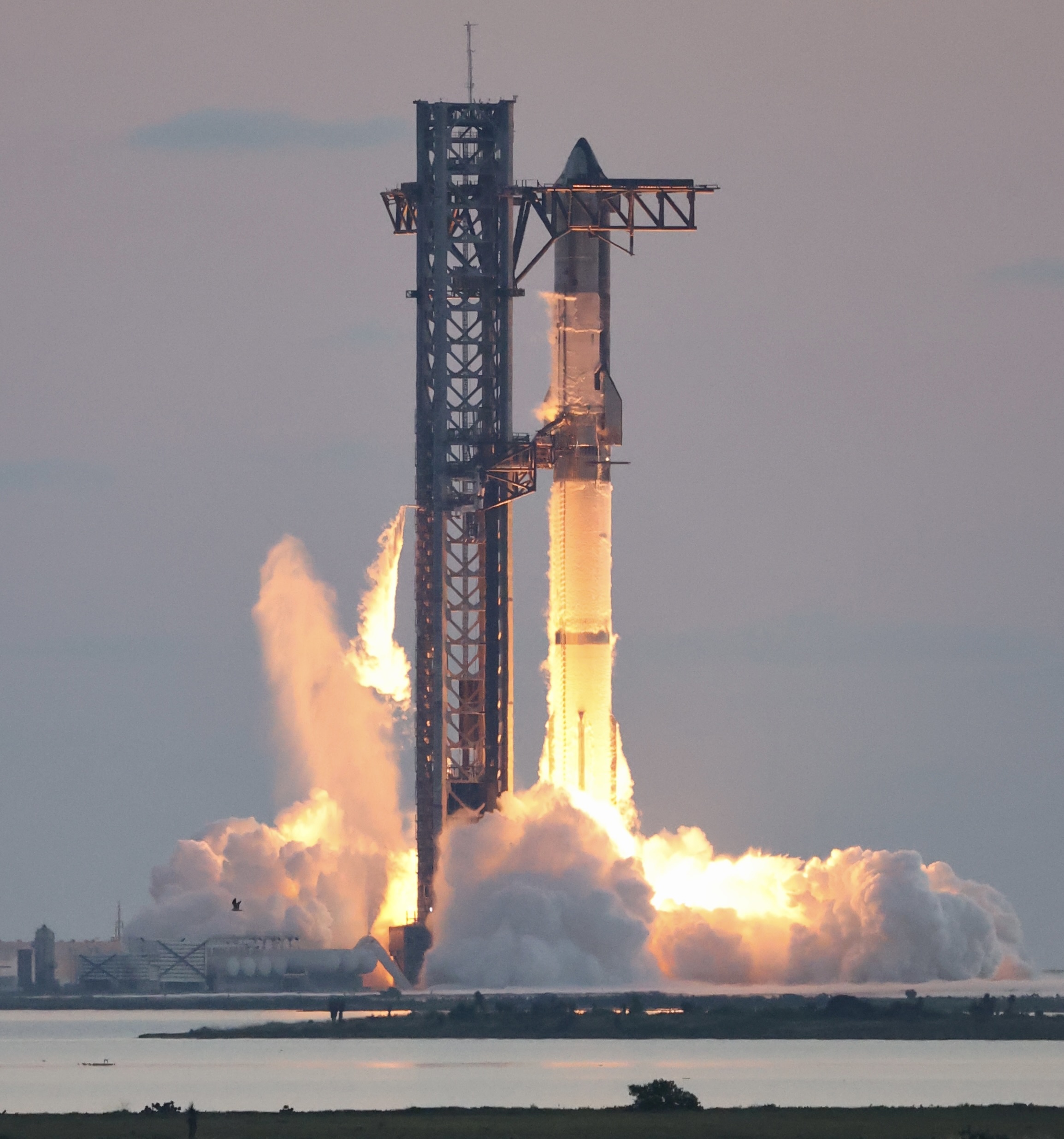
Greetings, fellow space enthusiasts! 🌍🚀 Have you ever wondered how Earth's rotation affects our rocket launches, especially when aiming for polar orbits? Let’s take a moment to dive into this intriguing subject and explore the high-speed dance of our planet, which rotates at approximately 1,674 km/h at the equator. How does this speedy spin influence rocket launches? Buckle up; it's time for an exhilarating ride! 🌌
First, let's understand a bit about Earth’s rotational speed. As our planet spins, the rotation impacts everything from weather patterns to satellite orbits. For rockets launching towards polar orbits, this rotational speed becomes a crucial factor. When we think about launching eastward—say, from the Kennedy Space Center in Florida—the rocket can effectively harness the rotational speed of Earth to gain additional velocity. This inherent velocity provides a significant boost, saving fuel and energy. Isn’t that neat? 😮✨
Now, consider a rocket aimed at a polar orbit. A polar orbit involves launching the rocket southward (or northward) so that it travels over the Earth's poles. Here’s where the fun begins! If a rocket launches from a location near the equator, it effectively starts from that 1,674 km/h speed. However, when planning a polar launch, rockets need to achieve velocities that carry them over significant latitudinal distances while overcoming the earthy blessing of gravity.
To visualize the challenge, it’s crucial to understand that an orbit itself can be thought of as a specific path around Earth. For polar orbits, this means launching from a lower latitude, where the initial rotational velocity is less advantageous. When launching from places further north or south, rockets do not benefit from the Earth’s rotational speed to the same extent, which requires additional energy to achieve the required velocity.
So, what does this mean in terms of fuel and mission planning? Launching from the equator is often optimal for missions destined for geostationary orbits, minimizing fuel expenses and maximizing payload capacity. For polar orbits, however, launch sites such as Vandenberg Space Force Base in California serve as excellent options because they allow for direct launches to those coveted polar paths without over-flying populous areas. 🤔✨
Furthermore, achieving the necessary inclination takes time, adding complexity to the launch schedule. Rockets might even need to climb higher or perform multiple orbital maneuvers to achieve a polar orbit efficiently. Knowing this helps rocket engineers develop efficient launch plans that balance fuel requirements, environmental considerations, and client specifications.
The challenges are real, but the exploration of polar environments—especially for Earth observation satellites—brings about significant strategic advantages. With high-resolution imaging and data collection, polar orbits offer insight into climate change, maritime operations, and natural disaster monitoring. 🌐🌊
As we push the boundaries of space technology, it's essential to consider how Earth’s rotation influences every launch decision. With advances in engineering and innovative solutions, who knows what amazing missions await us in the near future?
Get excited; each launch brings us one step closer to unlocking the mysteries of our planet and beyond! 🚀🌠
#RocketLaunch #PolarOrbit #EarthRotation #SpaceExploration #AerospaceEngineering
image credit: SpaceX