Could Starship’s payload capacity of 150 tons enable the construction of giant space telescopes?
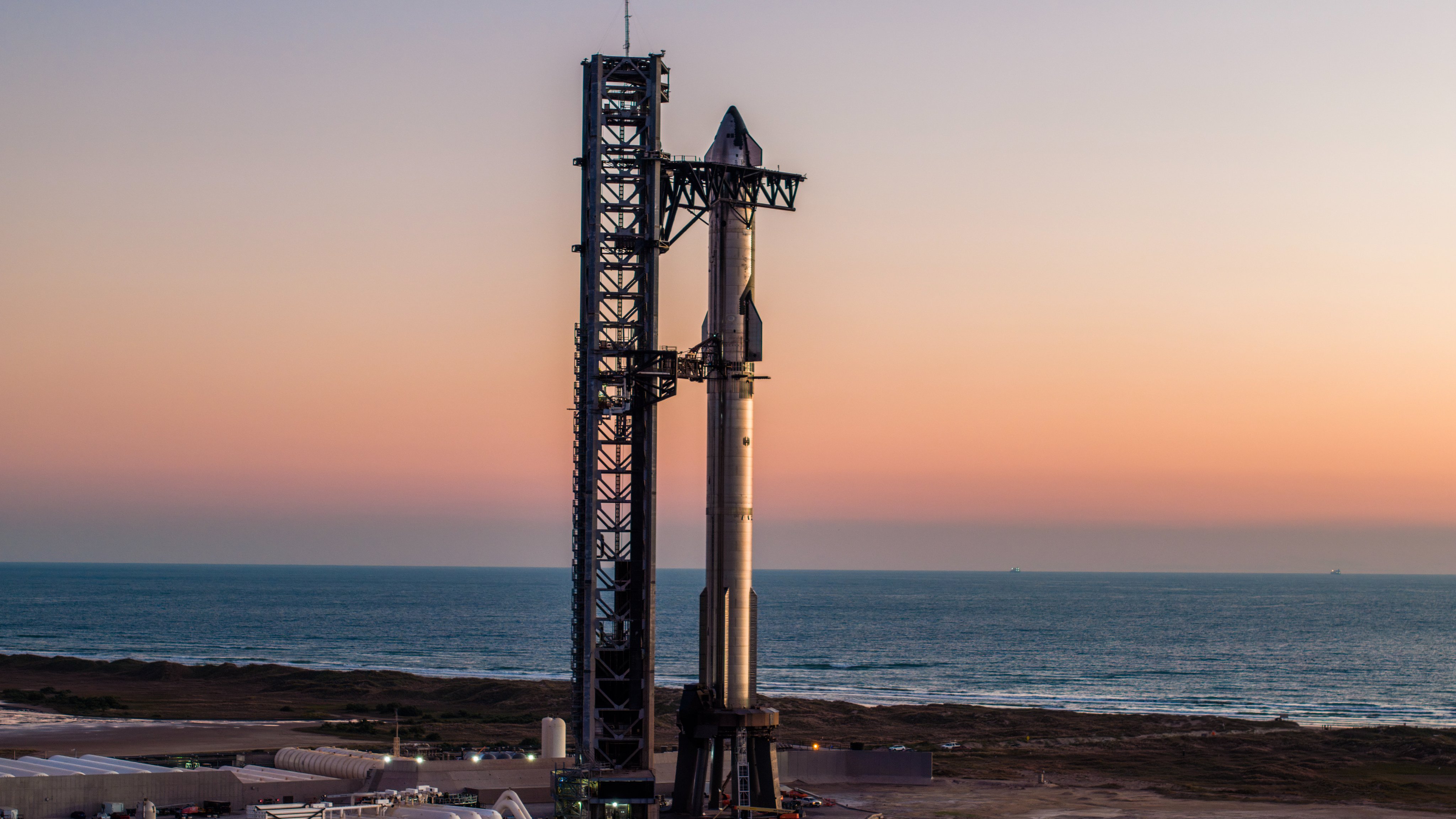
Could Starship’s Payload Capacity of 150 Tons Enable the Construction of Giant Space Telescopes? 🔭🌌
Hello, space enthusiasts! 🚀 Today, let's explore an intriguing possibility: could SpaceX’s Starship, with its remarkable payload capacity of 150 tons, pave the way for the construction of giant space telescopes? This question has significant implications for the future of astronomy and our understanding of the universe!
First, let’s look at Starship's impressive stats. Designed primarily for missions to the Moon and Mars, Starship is engineered to carry substantial payloads into orbit. With a capacity that far surpasses other rockets—such as SpaceX's Falcon Heavy, which can lift up to 64 tons—Starship opens new possibilities for ambitious projects. 🌠 The combination of advanced engineering and reusability means missions can be both cost-effective and efficient.
Now, why would we want to build giant space telescopes? Larger telescopes are crucial for unraveling the secrets of the universe. They can collect more light, increasing our ability to see distant galaxies, detect exoplanets, and study cosmic phenomena. NASA's James Webb Space Telescope (JWST) showcases the benefits of large instruments; however, its mass is only about 6.2 tons. Imagine a telescope with a capture area that’s several times larger than JWST!
With Starship, the dream of constructing a telescope that could weigh up to 50 tons or more becomes feasible. This opens the door to larger mirrors and advanced optical systems that can operate at longer wavelengths, such as infrared, enabling us to see deeper into space. The enhanced sensitivity would also allow astronomers to study faint structures and distant objects that were previously undetectable. 🔍
Moreover, building such telescopes in modular components and launching them aboard Starship could streamline the construction process. Components could be assembled in space, reducing payload constraints and optimizing design flexibility. For example, if a telescope were composed of multiple reflectors, each weighing around 10 tons, Starship could easily handle multiple launches to build a large-scale observatory in orbit!
Such advancements could lead to groundbreaking discoveries. The next generation of telescopes could identify Earth-like exoplanets in habitable zones around other stars, giving us insight into the potential for life beyond our planet. In fact, astronomers estimate that there could be billions of potentially habitable planets in our galaxy alone—what an exciting prospect! 🌌
Finally, let’s not forget that the collaboration between SpaceX and various space agencies, universities, and research institutions could accelerate the development of these giant telescopes. With SpaceX’s commitment to reducing launch costs, projects that seemed unattainable could now become a reality, unifying visionaries from all around the globe! 🌍🤝
In conclusion, SpaceX’s Starship and its incredible payload capacity have the potential to revolutionize the construction of giant space telescopes, enabling us to explore the universe like never before. As we continue to push the boundaries of our knowledge, who knows what groundbreaking discoveries await us out in the cosmos? The universe is calling, and we’re just getting started! 🌠
#SpaceX #Starship #SpaceTelescopes #Astronomy #SpaceExploration
image credit: SpaceX