Could SpaceX’s ISRU systems on Mars scale to produce 10 metric tons of methane per month, and how many rockets could this fuel?
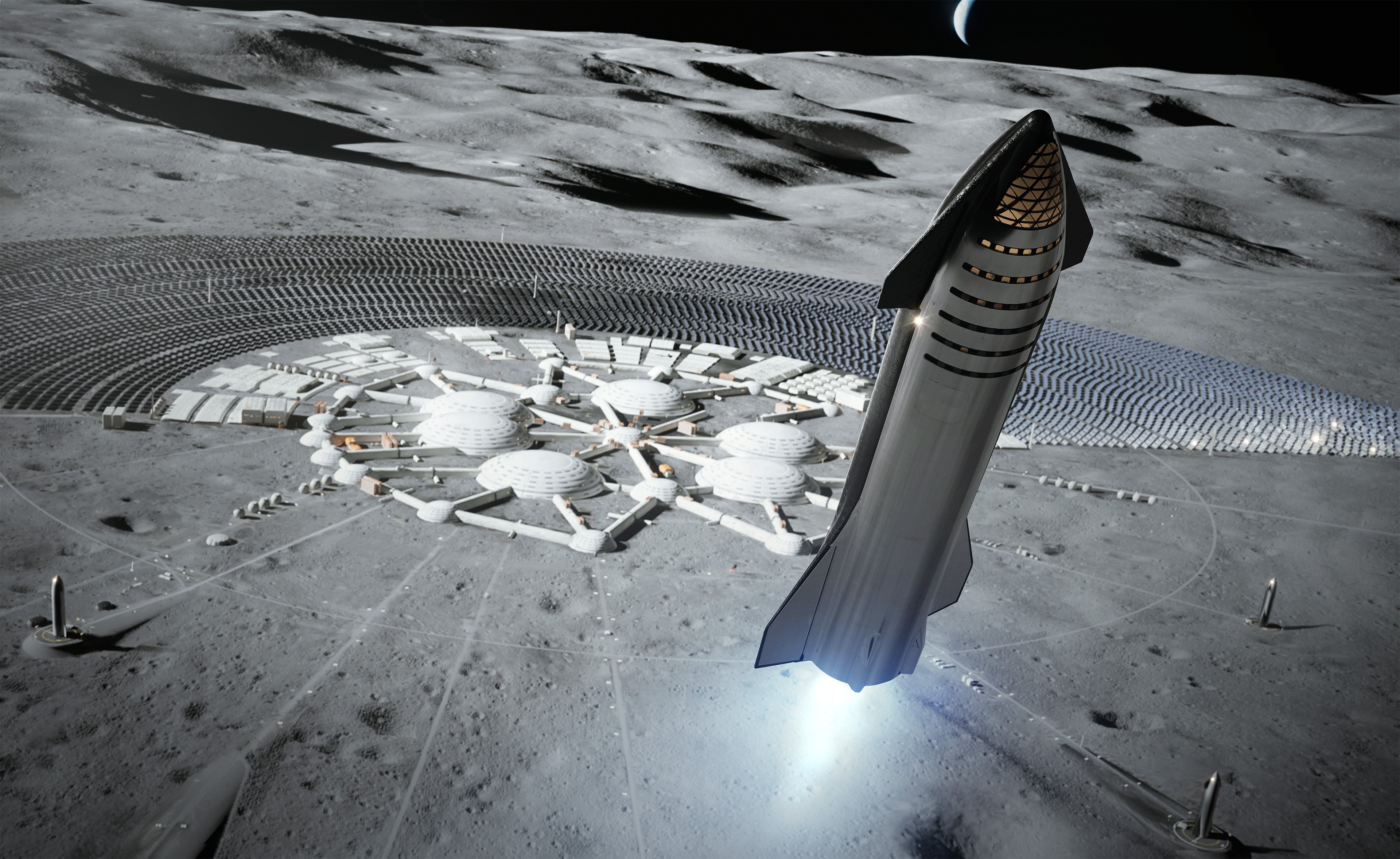
Hey there, fellow space enthusiasts! 🌌 As we inch closer to humanity's next giant leap—settling on Mars—one of the most exciting aspects is the implementation of In-Situ Resource Utilization (ISRU) systems. SpaceX is hard at work on these technologies, aiming to convert Martian resources into fuel. But a burning question arises: could these ISRU systems scale to produce 10 metric tons of methane per month, and how many rockets could this fuel? Let’s break it down! 🚀
First, let’s understand what ISRU is all about. In simple terms, ISRU involves utilizing local resources to support human activities. For Mars missions, this means making fuel using CO2 in the Martian atmosphere and water extracted from ice deposits. SpaceX’s plan is to create methane (CH4) using the Sabatier reaction, where hydrogen (H2) combines with CO2 to produce methane and water.
Now, let's get to the numbers! Achieving a target of 10 metric tons of methane per month would be a monumental feat but not an insurmountable one. The Sabatier reaction is highly efficient, and with the right technology, this production goal is well within reach. In fact, a single Sabatier reactor can produce around 0.5 metric tons of methane per day. Multiply that by 30 days, and you're looking at 15 metric tons—just enough to exceed that 10 metric ton target! 🌌✅
So, what does that mean for rocket fuel? The SpaceX Starship, which is designed for missions to Mars, utilizes methane as its propellant. Each Starship launch consumes roughly 1,200 metric tons of propellant, evenly split between liquid oxygen (LOX) and methane. If SpaceX produces 10 metric tons of methane per month, that would mean approximately 1/120th of a Starship's fuel needs.
To put it another way, how many Starship launches could this production support? If we crunch the numbers:
10 metric tons of methane/month
Needs for one Starship: 600 metric tons of methane
You’d get approximately 0.0167 Starship launches per month or one launch every 60 months! 😲
Of course, this sounds a bit limited, but remember—this is just the beginning. The goal for ISRU isn’t merely to sustain a few launches but to establish a robust infrastructure. If SpaceX continues to enhance its ISRU capabilities, scaling production could eventually lead to thousands of tons of methane being produced, transforming Mars into a launching pad for deeper space exploration.
Moreover, if we factor in the additional advancements and enhancements in production technology, production might evolve exponentially! Imagine a future where reliable ISRU systems can churn out hundreds of metric tons of methane monthly. This could enable several missions a year, potentially dozens of Starship launches, facilitating the ongoing exploration and colonization of Mars. 🌟
In conclusion, while producing 10 metric tons of methane per month is a significant challenge, it’s an achievable goal with current technology. The implications for space travel are profound, laying the groundwork for sustainable exploration and long-term human presence on Mars. So, keep your eyes peeled as SpaceX continues to innovate and inspire! 🌠 #SpaceX #InSituResourceUtilization #MarsMission #MethaneProduction #SpaceExploration
image credit: SpaceX