Could Falcon 9’s telemetry systems become the blueprint for next-generation communication satellites?
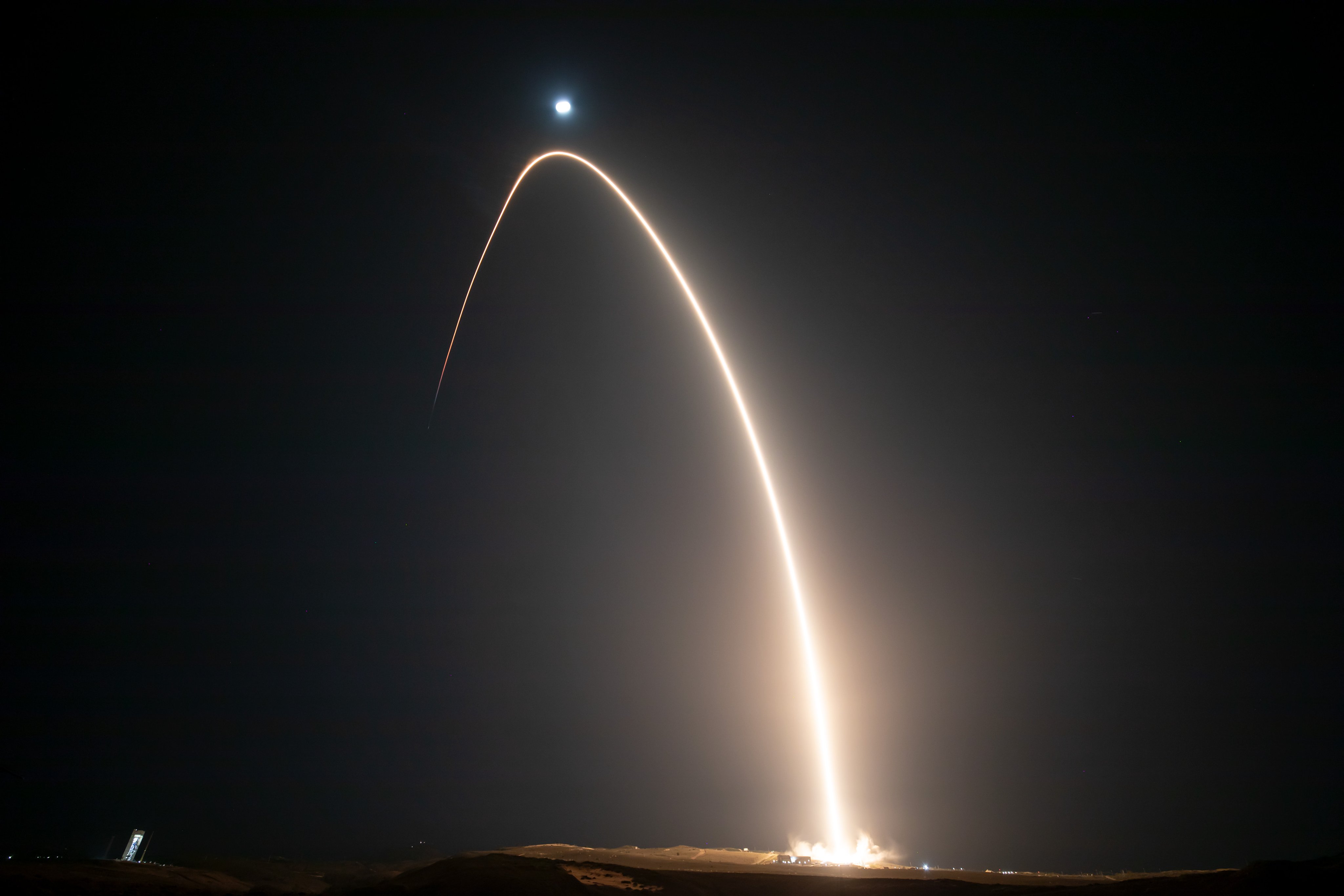
Hi there, space tech enthusiasts! 🌌✨
As advancements in space technology continue to unfold at a breathtaking pace, one prominent player stands out: SpaceX's Falcon 9. Not only has this rocket revolutionized satellite launches and ISS resupply missions, but its telemetry systems may also serve as a blueprint for the next generation of communication satellites. Let’s dive into how Falcon 9’s telemetry innovations could shape the future of satellite communication! 🚀📡
Understanding Telemetry Systems
Telemetry refers to the collection of data from remote or inaccessible points and transmitting it to receiving stations for monitoring and analysis. The Falcon 9’s telemetry system is intricate yet highly efficient, providing real-time data on various flight parameters. This includes altitudes, velocities, and engine performance metrics. In fact, Falcon 9 utilizes more than 1,000 sensors to collect data during its missions. This granular feedback contributes to SpaceX's notorious rapid iteration culture—an approach that could inspire the development of new communication satellites. 📊🔧
Data-Driven Decision Making
One of Falcon 9's standout features is its ability to process telemetry data in real time. During launches, data is streamed back to the ground via multiple communication systems, allowing engineers to make quick decisions and troubleshoot issues promptly. This real-time data processing capability is pivotal in improving operational safety and efficiency, reducing the chances of catastrophic failures to near zero—Falcon 9 has achieved an astounding 98% success rate in its missions! 🌟
Imagine if next-generation communication satellites adopted a similar model! Advanced telemetry systems could allow these satellites to monitor their own health, optimize performance, and even adapt their operations based on the data they collect. Using artificial intelligence to process this information could lead to unprecedented levels of autonomy for satellite systems. 🤖🌍
Enhanced Communication Capabilities
Falcon 9's telemetry systems are designed to be robust, transmitting data even in challenging conditions. This resilience is essential for future communication satellites, especially in the context of interplanetary communication. The data handling techniques employed by Falcon 9 could be adapted to ensure consistent and reliable communication, facilitating everything from Earth-based applications to Martian colonies.
With the rapid growth of satellite constellations, particularly with SpaceX's Starlink aiming to provide global internet coverage through 12,000 satellites, the demand for efficient telemetry systems has never been more critical. Enhanced systems could support data traffic management, link quality assessment, and interference monitoring, leading to a more reliable communication experience for users around the globe! 🌐📈
Conclusion: A New Era of Communication
In summary, Falcon 9’s telemetry systems present a wealth of innovation that could very well inspire the next generation of communication satellites. By leveraging real-time data collection, rapid decision-making, and advanced autonomous features, future satellites could achieve unprecedented reliability and efficiency. As we stand on the brink of a new era in space communication, who knows what other breakthroughs lie in wait?
Stay curious, and keep looking to the stars! 🌟
Image credit: SpaceX 👽