Could Falcon 9’s reusability model lead to a new era of affordable space exploration for developing nations?
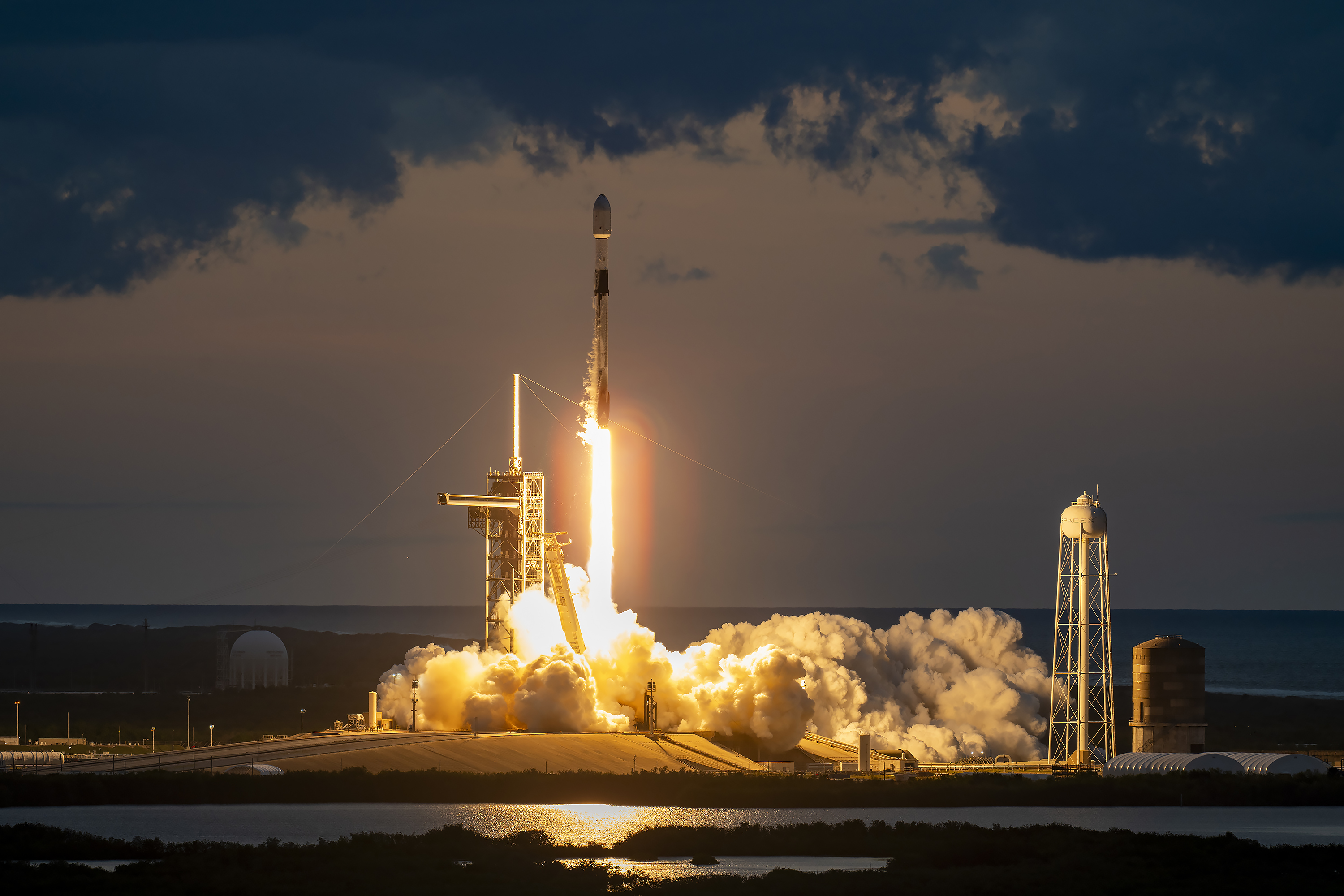
Hello, space enthusiasts! 🚀✨ Today, let's explore an exciting topic: Could Falcon 9's reusability model lead to a new era of affordable space exploration for developing nations? With SpaceX paving the way for reusable rockets, the implications are vast and far-reaching. Let's dive in! 🌌🔭 #SpaceExploration
First, let's understand the significance of Falcon 9's reusability. Launched in 2010, Falcon 9 was a game-changer in the space industry, but its true potential was unlocked when SpaceX successfully landed the first stage of the rocket back in 2015. This marked the beginning of a new era in spaceflight, where rockets could be reused multiple times, significantly reducing costs and increasing efficiency. 🚀💸 #ReusableRockets
The impact of reusability on the cost of space missions is substantial. Traditional rockets are typically used once and then discarded, with a launch price tag ranging from $60 million to over $200 million per flight. In contrast, Falcon 9's reusability model has brought costs down to around $62 million per launch, with some estimates suggesting that the cost could drop even further to around $25 million per launch if the reuse cycle is perfected. 📉💰 #CostEffectiveness
Now, let's consider the potential benefits for developing nations. With reusable rockets, space exploration becomes more accessible and affordable for countries with limited budgets. Imagine a scenario where a developing nation can launch its own satellites or even crewed missions into space without breaking the bank. This could lead to significant advancements in areas such as telecommunications, Earth observation, and even space-based solar power. 🌞🛰️ #SpaceForAll
In fact, several developing nations have already taken advantage of Falcon 9's reusability model. For example, India's PSLV rocket has been used to launch several satellites into orbit, while Indonesia has also launched its first satellite using a PSLV. These examples demonstrate the potential for developing nations to leapfrog traditional space technology and join the ranks of space-faring nations. 🌟👍 #SpacePioneers
Furthermore, reusable rockets like Falcon 9 could also enable more frequent launches, which would allow for more diverse and specialized payloads to be carried into space. This could include everything from small satellite constellations to crewed missions to the Moon and beyond. 🌕🚀 #FrequentLaunches
In conclusion, Falcon 9's reusability model has the potential to lead to a new era of affordable space exploration for developing nations. By reducing costs and increasing efficiency, reusable rockets like Falcon 9 could make space travel and satellite launches more accessible and affordable for countries with limited budgets. As we look to the future of space exploration, it's exciting to think about the possibilities that this technology could unlock. 🚀💫 #SpaceForAll
Image credit: SpaceX