Could Falcon 9’s landing precision improve even further with the next generation of autonomous systems?
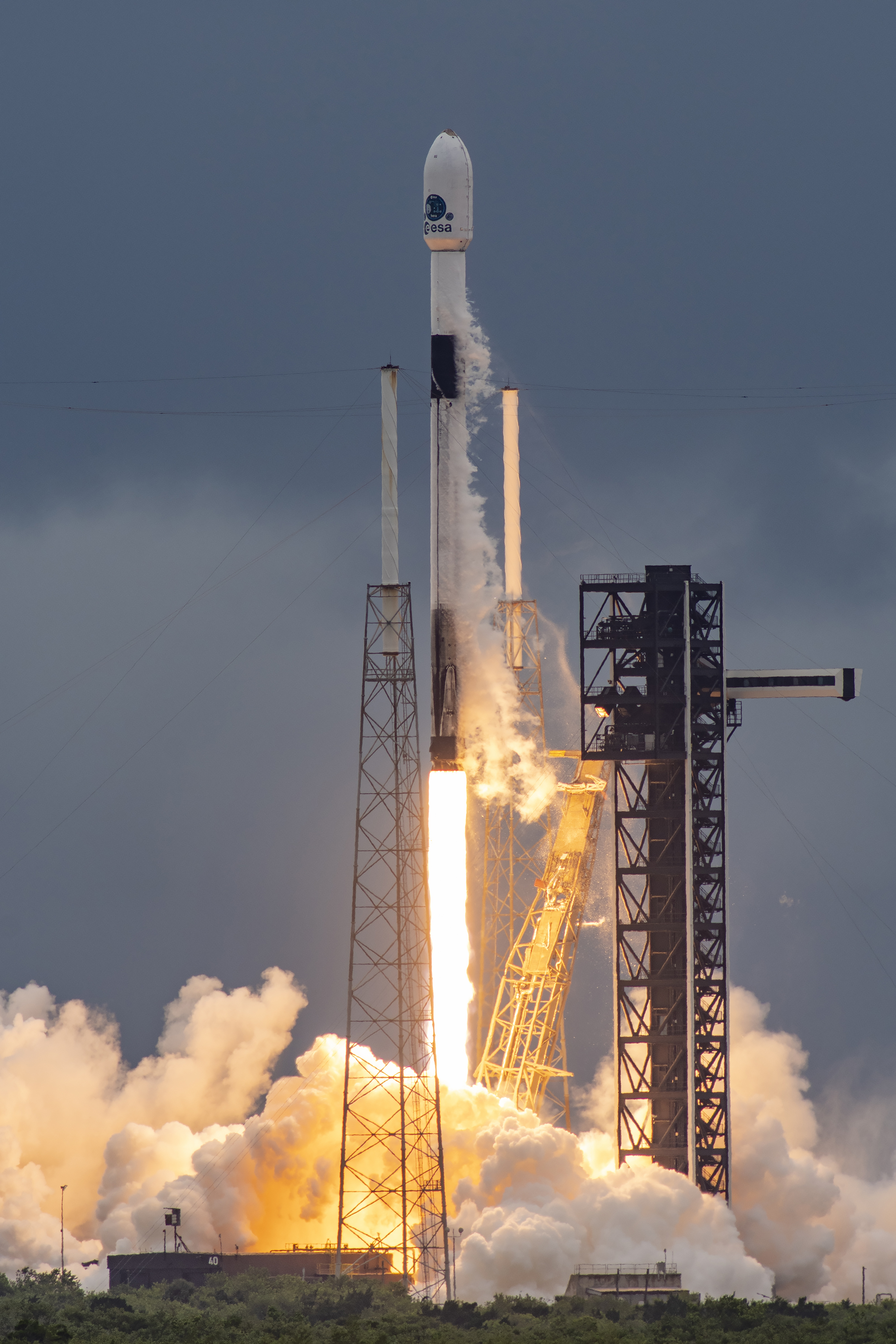
Greetings, rocket aficionados! 🚀 Let’s dive into a fascinating topic: the remarkable precision of SpaceX's Falcon 9 landings and the potential for even greater advancements with next-generation autonomous systems. Since its inception, Falcon 9 has revolutionized space travel, achieving an astounding 190+ successful missions as of late 2023. Among its crowning achievements? The incredible feat of landing its first stage boosters back on Earth! 🌍
But why stop there? Currently, Falcon 9’s landing accuracy is commendable, with an impressive margin of error of less than 10 meters during reentry. This precision is crucial for ensuring the successful recovery of the booster, which SpaceX reuses to significantly reduce the costs of space travel—down to an average of around $15 million per launch. 💰 However, advancements in technology offer room for growth. With the integration of next-generation autonomous systems, the potential exists for even sharper landing precision.
So, what exactly could these future systems entail? The answer lies in improvements in sensors and artificial intelligence. SpaceX has already been employing real-time data collected from the rocket’s multiple onboard systems, such as GPS, accelerometers, and IMUs (Inertial Measurement Units). By upping the ante and refining these sensors, we may witness an unprecedented level of accuracy, potentially reducing landing errors to mere meters! 🎯 Imagine boosters gliding down to a designated "bullseye" on the landing pad, making every recovery a flawless victory.
Autonomous systems could also make use of machine learning algorithms to enhance decision-making processes during descent. With every successful landing, machine learning could analyze flight data to improve future landings. This means Falcon 9 could become increasingly proficient at autonomously adapting to various atmospheric conditions, optimizing performance like never before! 🌬️
Moreover, the prospect of real-time data sharing among multiple Falcon 9 missions could unlock collective intelligence benefits. If a Falcon 9 booster could communicate metrics from one landing to another, it would create a feedback loop that fosters refinement across models. In the context of space exploration, this could lead to reduced turnaround times between launches, accelerating missions that are essential for advancing humanity’s quest for knowledge and exploration. 🌌
As Falcon 9 continues to pave the way for innovation in aerospace, we should keep an eye on SpaceX’s trajectory as they develop their next-gen autonomous systems. With their dedicated focus on reusability and efficiency, we are bound to witness landing precision that may very well redefine the space launch industry.
In conclusion, the future of Falcon 9's landing precision remains bright! Not only are we looking at reducing costs and streamlining missions, but we could also experience a thrilling era of technological innovation that captures our imaginations. 🚀✨
Until next time, keep looking up! #Falcon9 #SpaceX #AerospaceInnovation #LandingPrecision #RocketScience
image credit: SpaceX