Could Falcon 9’s achievements in reusability inspire similar developments in aircraft design?
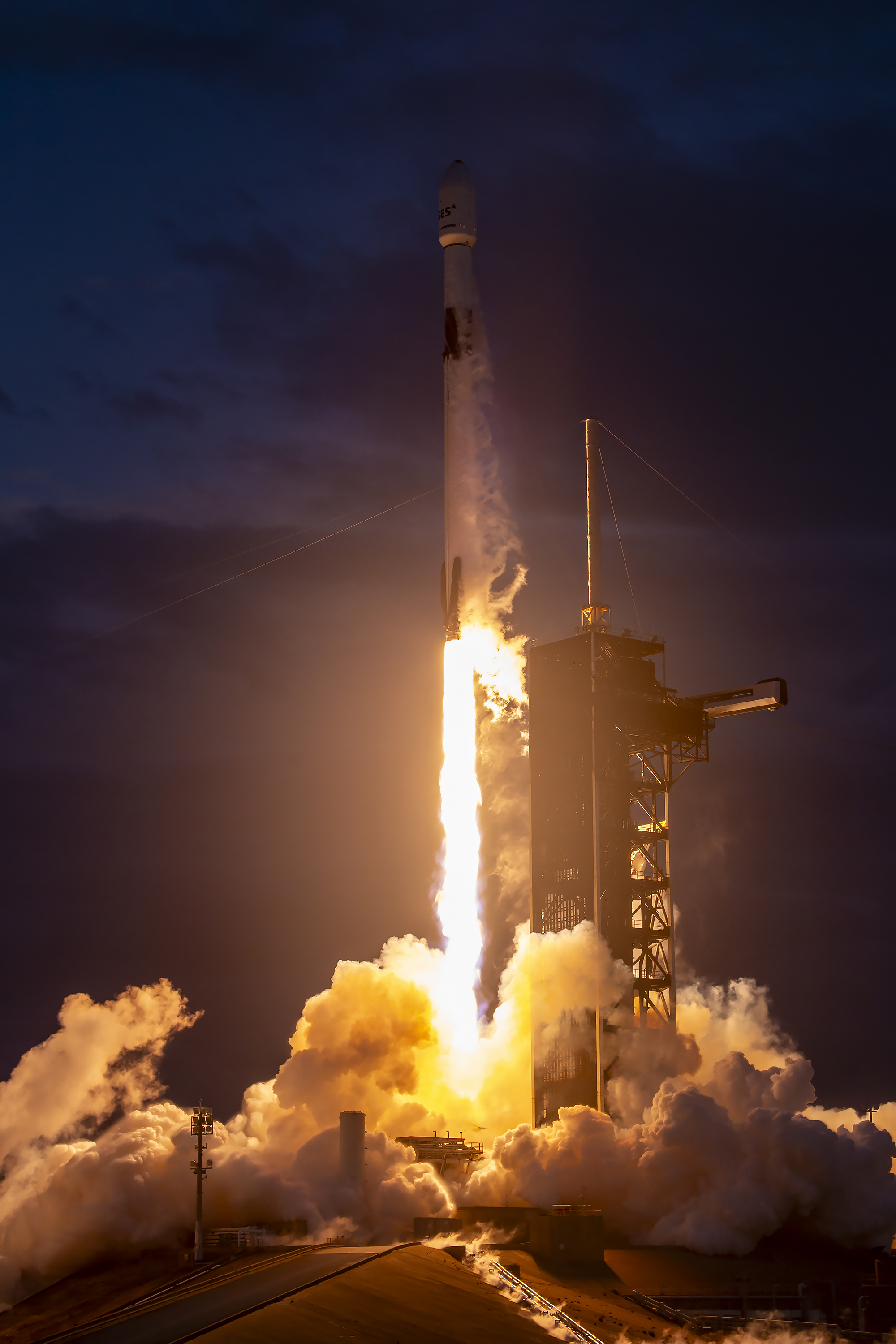
Could Falcon 9’s Achievements in Reusability Inspire Similar Developments in Aircraft Design? ✈️🚀
Hello, fellow space lovers! 🌌 Have you ever wondered how Falcon 9, SpaceX’s groundbreaking rocket, is reshaping our understanding of aerospace technology? The success of its reusability features is not just a game-changer for space travel; it might also illuminate the path for advancements in aircraft design. So, let’s dive into how these innovations could inspire the aviation industry! 🌟
Since its first flight in 2010, Falcon 9 has completed over 190 missions, with an impressive reusability rate that has dramatically reduced the cost of space launches. By recovering and reusing its first stage booster, which is the core of the rocket, SpaceX has decreased the launch costs to approximately $2,700 per kilogram—a significant drop from earlier figures that often exceeded $30,000 per kilogram! This has made space exploration more accessible and paved the way for a wide array of commercial and scientific ventures. 💰🚀
Imagine if aircraft followed this model! Reusability in commercial aviation could lead to substantial reductions in operational costs. Consider that a Boeing 737 can cost around $100 million to manufacture. If reusability became standard for new aircraft (by recovering key components like engines or landing gear), it could significantly extend the lifespan of an aircraft and cut costs dramatically. For instance, successful recovery and refurbishment could potentially lower overall manufacturing expenses by up to 40%, providing airlines with a strong financial incentive to invest in new designs! ✈️💵
Beyond cost savings, the environmental implications of reusability are also compelling. The aviation industry currently accounts for around 2-3% of global CO2 emissions, and as air travel grows, this figure is expected to rise. By moving toward a more circular economy in aircraft design, where components can be repaired and reused, we could minimize waste. SpaceX has demonstrated that materials can often endure multiple flights with proper maintenance. For instance, some Falcon 9 boosters have flown over ten times with mostly minor refurbishments. Such practices could lead to more sustainable aviation technologies and mitigate the environmental impact of air travel. 🌎🌱
Research into lightweight materials and advanced manufacturing techniques, which have gained momentum through the aerospace sector, can further enhance the efficiency of both rockets and aircraft. Innovations like carbon fiber composites used in Falcon 9 components could easily transition to the design of next-gen airliners. This synergy between space and aviation could propel both industries into a new age of efficiency and sustainability. 🌍✨
In conclusion, Falcon 9's achievements in reusability are not just an inspiration for rockets—they offer valuable lessons that the aviation industry can apply as we look to the future of flight. As companies begin to explore these concepts, we could see exciting developments that transform how we think about air travel. Get ready, because the skies and beyond might just welcome a whole new wave of innovation!
#Falcon9 #SpaceX #AviationInnovation #Reusability #SustainableTravel #FutureOfFlight
image credit: SpaceX