Could Dragon’s high-bandwidth communication system enable real-time video streaming from distances beyond Earth orbit?
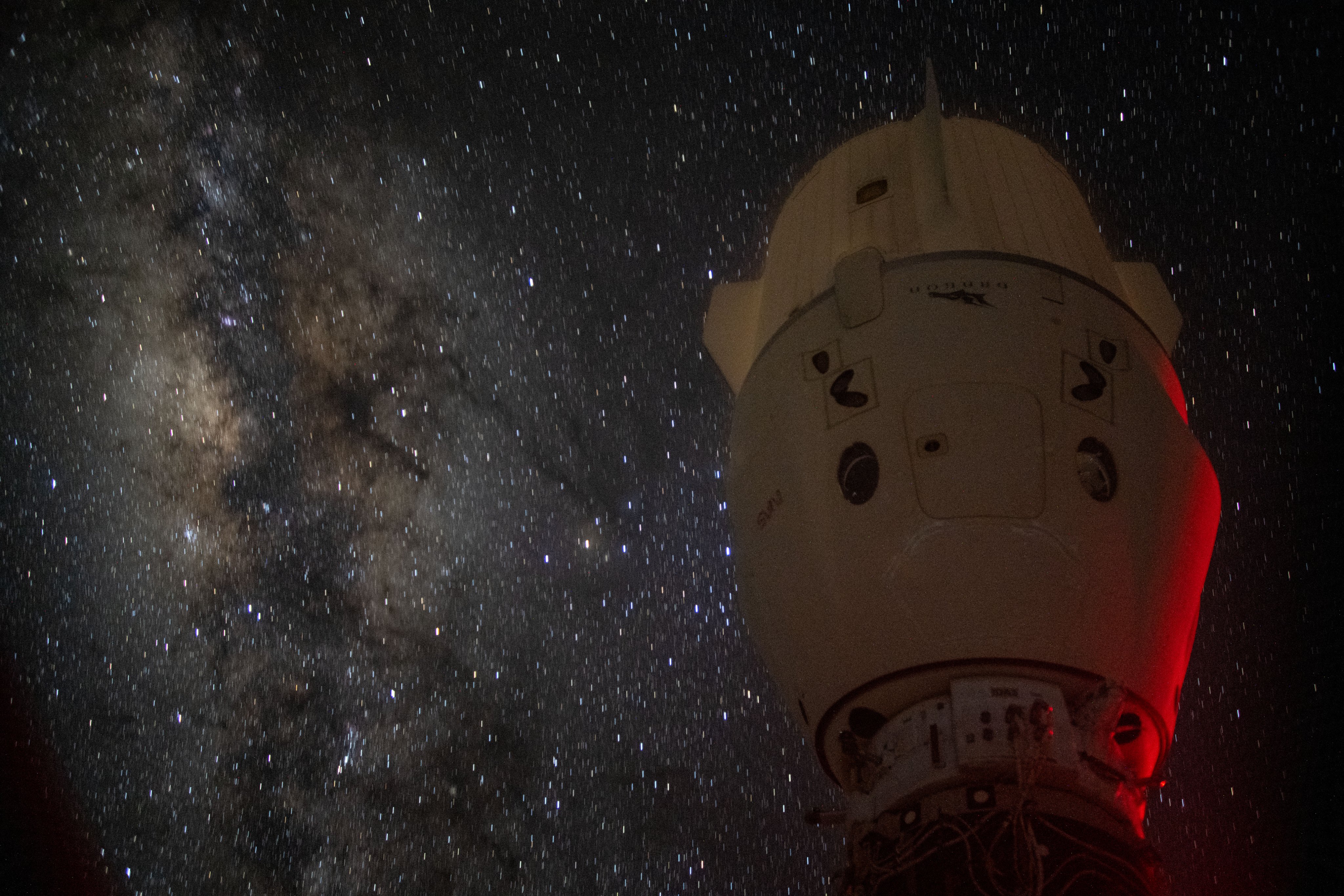
Could Dragon’s High-Bandwidth Communication System Enable Real-Time Video Streaming Beyond Earth Orbit? 🌌📡
Hello, space adventurers! 🚀 Have you ever wondered what it would be like to experience real-time video from a spacecraft darting through the cosmos? With SpaceX’s Dragon spacecraft equipped with a high-bandwidth communication system, we’re inching closer to that fascinating reality. Let’s explore how this cutting-edge technology could revolutionize space communications and perhaps allow real-time streaming from distances beyond Earth’s orbit!
Dragon has already made remarkable strides since its first flight in 2010, and it’s proven to be a reliable workhorse for NASA and international partners, delivering cargo and crew to the International Space Station (ISS) and returning safely to Earth. One of its standout features is its advanced communications system, capable of transmitting data at impressive speeds. 🤖✨
At its core, the Dragon spacecraft utilizes a high-bandwidth system that can handle data transmission rates of up to 100 Mbps. To put that in perspective, many home internet connections offer speeds that fluctuate between 25 Mbps to 200 Mbps. However, in the vast emptiness of space, achieving high bandwidth presents unique challenges due to the distances involved and the limitations of radio frequency signals. 🛰️⚡
So, how does it work? Dragon employs a combination of radio frequencies and laser communication technology to enhance data transfer. The laser communication system is pivotal; it uses light to transmit data, allowing for a higher capacity of information to be sent and received than traditional radio waves. This technology was successfully demonstrated by NASA's Laser Communications Relay Demonstration (LCRD) and could fundamentally change how we communicate in space.
Imagine a scenario where astronauts aboard Dragon could stream live video back to Earth while orbiting the Moon or beyond. The Moon is approximately 238,855 miles away from Earth, and missions to Mars could potentially push that distance to an astonishing 140 million miles! With Dragon's high-bandwidth capabilities, streaming real-time video could become feasible, offering us a glimpse into the lives of astronauts as they navigate the challenges of space travel and planetary exploration. 🌙🌌
Moreover, real-time video streams could enhance mission control's situational awareness, allowing engineers and scientists to analyze footage and data instantaneously. This capability could improve decision-making processes significantly during critical phases of a mission, such as landing on a new celestial body or troubleshooting hardware issues.
However, it’s essential to note that while Dragon’s system is cutting-edge, several considerations need to be tackled before we can consistently stream video from deep space. Signal degradation and latency are significant factors; the further the distance, the more time it takes for the signal to travel back and forth. But with ongoing innovations in communication technologies, who knows what the future holds? 🚀✨
In conclusion, SpaceX’s Dragon spacecraft is on the forefront of revolutionizing space communications with its high-bandwidth technology. While real-time video streaming from distances beyond Earth orbit isn't quite there yet, it certainly feels like just a launch away! Here’s to dreaming big and making the impossible possible. 🌟
#DragonSpacecraft #SpaceX #SpaceCommunications #HighBandwidth #RealTimeStreaming
Image credit: SpaceX