Why is the starship's bridge designed for ergonomic efficiency and crew comfort during long shifts?
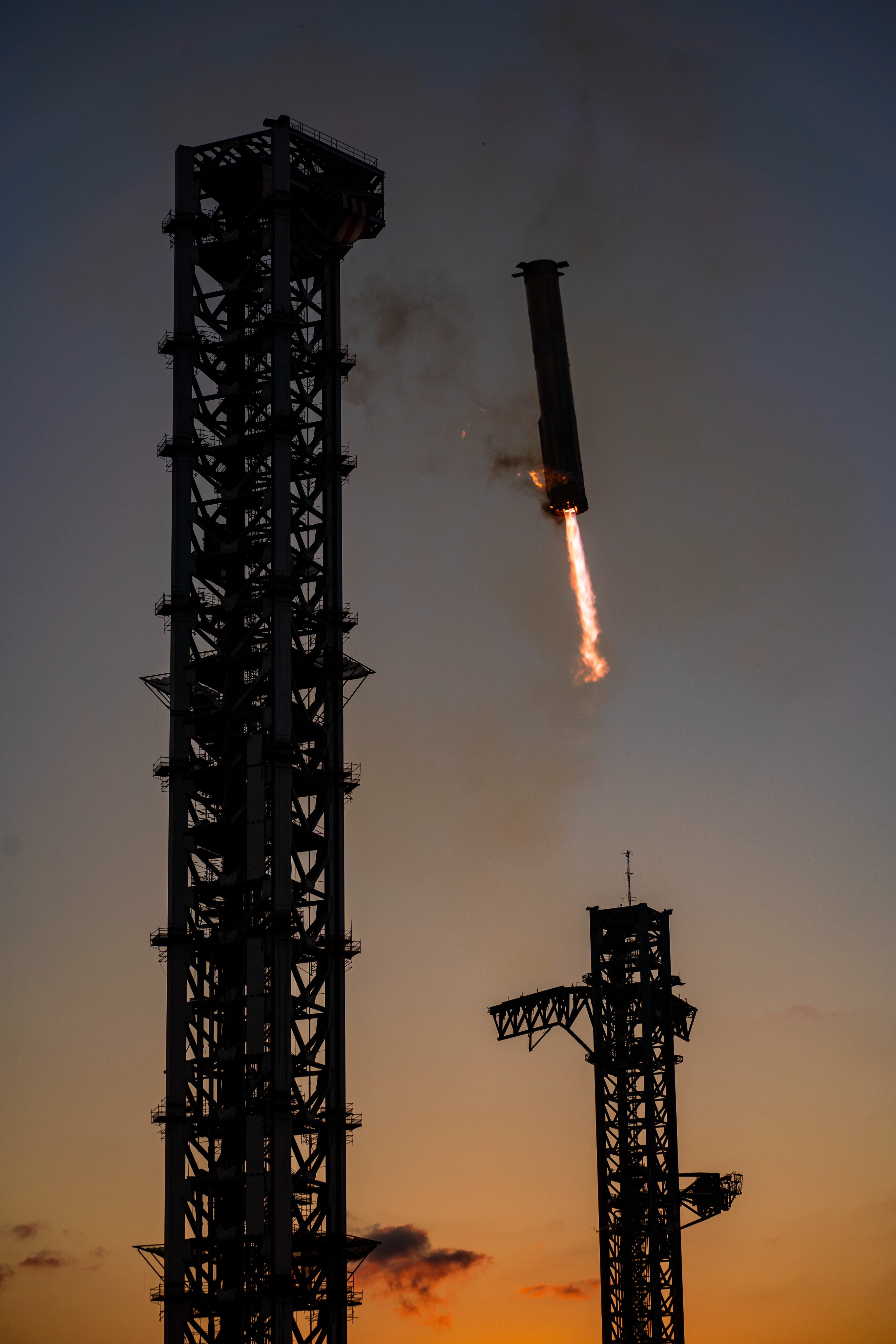
Why is the Starship's Bridge Designed for Ergonomic Efficiency and Crew Comfort During Long Shifts? 🛠️🌌
Hello, space enthusiasts! 🌟 As we delve into the marvelous design of the Starship’s bridge, it’s essential to recognize that this isn’t just a control center; it’s a carefully engineered environment aimed at maximizing ergonomic efficiency and crew comfort. 🚀 So why is this so crucial, especially during long missions? Let’s explore!
First off, long-duration space missions can stretch anywhere from a few months to over a year. In fact, the International Space Station (ISS) regularly hosts astronauts for missions that last around six months. 🗓️ Studies show that extended time in microgravity can lead to various health issues, including muscle atrophy and decreased bone density. Thus, creating a comfortable and ergonomically designed workspace on the Starship becomes paramount for crew well-being and performance.
Ergonomic efficiency focuses on how the bridge layout optimizes crew productivity while minimizing physical strain. The design incorporates adjustable, supportive seating that conforms to individual body types, reducing fatigue during those marathon shifts. Comfort might seem trivial, but fatigue can impair decision-making abilities by up to 20%! 😳 This is particularly crucial in high-stakes environments like space travel, where split-second decisions can save lives.
Moreover, the bridge incorporates an intuitive layout, with controls and screens positioned within easy reach to prevent excessive twisting and reaching. This design philosophy is supported by research indicating that a well-designed workspace can enhance efficiency by around 30%. 💻 With the Starship’s array of interfaces providing vital information for navigation, communication, and system monitoring, having everything ergonomically accessible reduces the risk of musculoskeletal disorders—a major concern for astronauts.
Lighting plays another crucial role in crew comfort. The Starship bridge is designed with adjustable ambient lighting to mimic natural circadian rhythms, helping to stave off fatigue and enhance focus during those long shifts. 🌞 Research has shown that poor lighting can lead to decreased alertness, while optimal lighting can improve concentration levels by 25%. Keeping the crew alert and focused is a necessity when navigating unfamiliar territories!
Let’s not overlook the psychological aspect of design. Aesthetically pleasing environments can significantly impact mental health. The Starship bridge is equipped with panels displaying soothing colors and views of outer space, contributing to a sense of tranquility and inspiration. 🌈 According to studies, environments that integrate natural elements or pleasing aesthetics can reduce stress levels by about 15-30%.
To wrap things up, the design of the Starship's bridge prioritizes ergonomic efficiency and crew comfort to optimize performance during long missions. Every detail—from seat design to lighting and layout—serves the overall goal of maintaining crew health especially in the unique challenges of outer space. 🪐 With an eye toward the comfort and efficiency of its crew, SpaceX is setting a new standard in space technology. So let’s continue to support and cheer on these extraordinary advances in human space exploration!
Stay curious, my cosmic explorers! 🌌🙌
#SpaceDesign #AstronautComfort #ErgonomicsInSpace #Starship #SpaceInnovation
image credit: SpaceX