What is the purpose of Starship’s belly flop maneuver, and how does it work?
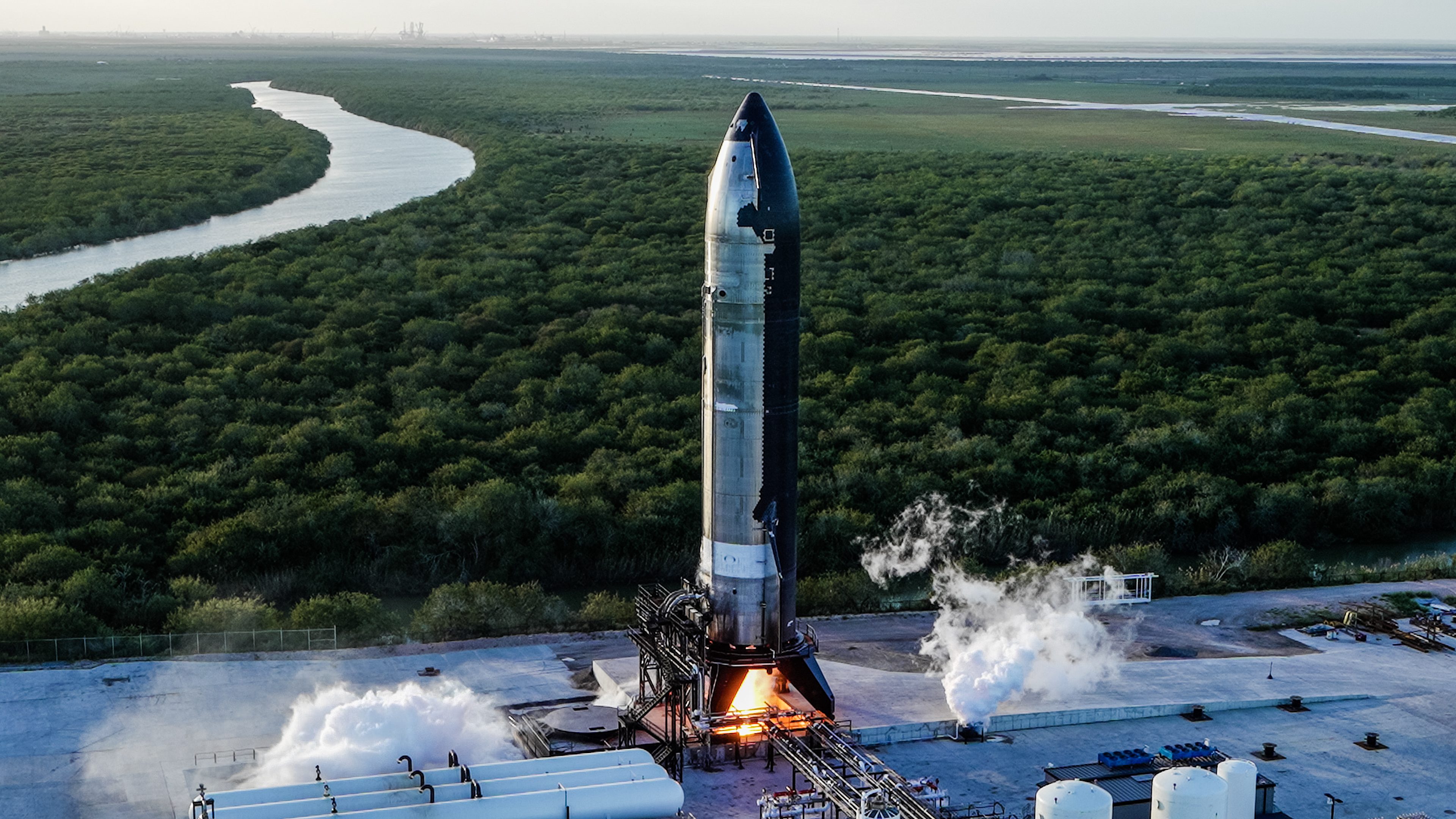
SpaceX's Starship is not just a spacecraft; it is a symbol of ambition and a testament to innovative engineering. Designed to be fully reusable, Starship promises to revolutionize space travel, enabling missions to the Moon, Mars, and beyond. One of the most distinctive features of Starship's re-entry process is the "belly flop" maneuver, a unique approach to atmospheric entry. This maneuver is more than just a visual spectacle; it is a carefully engineered technique designed to manage the extreme forces and heat encountered during descent.
The belly flop is a crucial part of Starship's thermal management strategy. As the spacecraft re-enters the Earth's atmosphere, it encounters immense heat due to friction between the air and the vehicle's surface. Temperatures can soar to thousands of degrees Celsius. Conventional spacecraft typically enter the atmosphere nose-first, which concentrates the heat load on a small area. Starship, on the other hand, uses its large, flat belly surface to create a broader area of air resistance. This distributes the heat over a larger surface area, reducing the peak temperatures and the strain on the thermal protection system (TPS), primarily consisting of the heat shield tiles. The flatter orientation also allows the vehicle to descend at a shallower angle, increasing the time spent in the atmosphere and further dissipating heat.
The maneuver begins after Starship has reached the desired altitude and velocity for atmospheric entry, typically after its mission is complete and it has separated from the Super Heavy booster (for orbital missions). It then reorients itself to a near-horizontal position, presenting its broad, heat-shielded belly to the oncoming airflow. This flat orientation creates significant drag, which slows down the spacecraft. During this phase, Starship relies on its four forward-facing flaps and two aft flaps. These aerodynamic surfaces work in concert to stabilize the vehicle. The flaps allow for precise control of the vehicle's attitude, adjusting the angle of attack to fine-tune its descent and manage the heat flux. These flaps allow for extremely precise control during the high-speed atmospheric phase. The vehicle's control system uses these flaps to maneuver with remarkable accuracy.
Starship's guidance system also plays a crucial role in the belly flop maneuver. The onboard computer analyzes data from various sensors, including accelerometers, gyroscopes, and navigation systems, to calculate the optimal flight path. This data is used to control the flaps and ensure that the vehicle maintains the correct orientation and descent rate. The guidance system must react in real-time to changes in the atmospheric conditions and any disturbances. The system constantly monitors the vehicle's position, velocity, and orientation to make real-time adjustments. The onboard computer can process vast amounts of data in milliseconds, allowing for precise control during the complex phases of re-entry.
As Starship descends, the air becomes denser, and the vehicle's speed decreases. Eventually, at a lower altitude and slower speed, the belly flop maneuver transitions into the final landing phase. The flaps continue to play a critical role in controlling the vehicle's attitude and descent. The vehicle then initiates a series of controlled maneuvers to re-orient itself, going from horizontal to vertical, and starts a "flip" maneuver. The vehicle needs to go from belly-down to upright, a sequence that requires precise timing and control. The vehicle then activates its powerful Raptor engines to perform a controlled "belly up" maneuver. These engines fire to slow the spacecraft down to a safe landing speed and provide precise control for the final approach and landing. The final approach involves using the vehicle's engines to achieve a soft landing, ideally, back on its launchpad.
The belly flop maneuver has been tested extensively in Starship prototypes. The initial prototypes have undergone a series of test flights, and the data from these tests provides critical information for the vehicle’s design and the belly flop maneuver. While not all test flights were successful, these tests have provided invaluable data, helping to refine the design of the Starship and its control systems. For example, in early tests, Starship prototype SN8 achieved a successful belly flop maneuver but didn't survive the landing. Later prototypes have demonstrated improvements in control systems and successful landings, demonstrating the effectiveness of the belly flop in slowing down the vehicle and managing the re-entry heat load. As of early 2024, a successful orbital flight with the belly flop maneuver has not yet been achieved, but the company is working diligently to achieve its goals.
What is the purpose of Starship’s belly flop maneuver, and how does it work?
The purpose of Starship’s belly flop maneuver is to manage the extreme heat and aerodynamic forces encountered during atmospheric re-entry. This technique utilizes the vehicle's large, flat belly surface to distribute the heat load, slow the spacecraft down, and control its descent.
The belly flop works by Starship orienting itself in a near-horizontal position, presenting its belly to the oncoming airflow. This orientation, in conjunction with the use of flaps and precise control algorithms, allows the vehicle to manage its speed and heat load as it descends.
Humanize