What G-force limitations are in place to ensure astronaut safety during ascent and reentry?
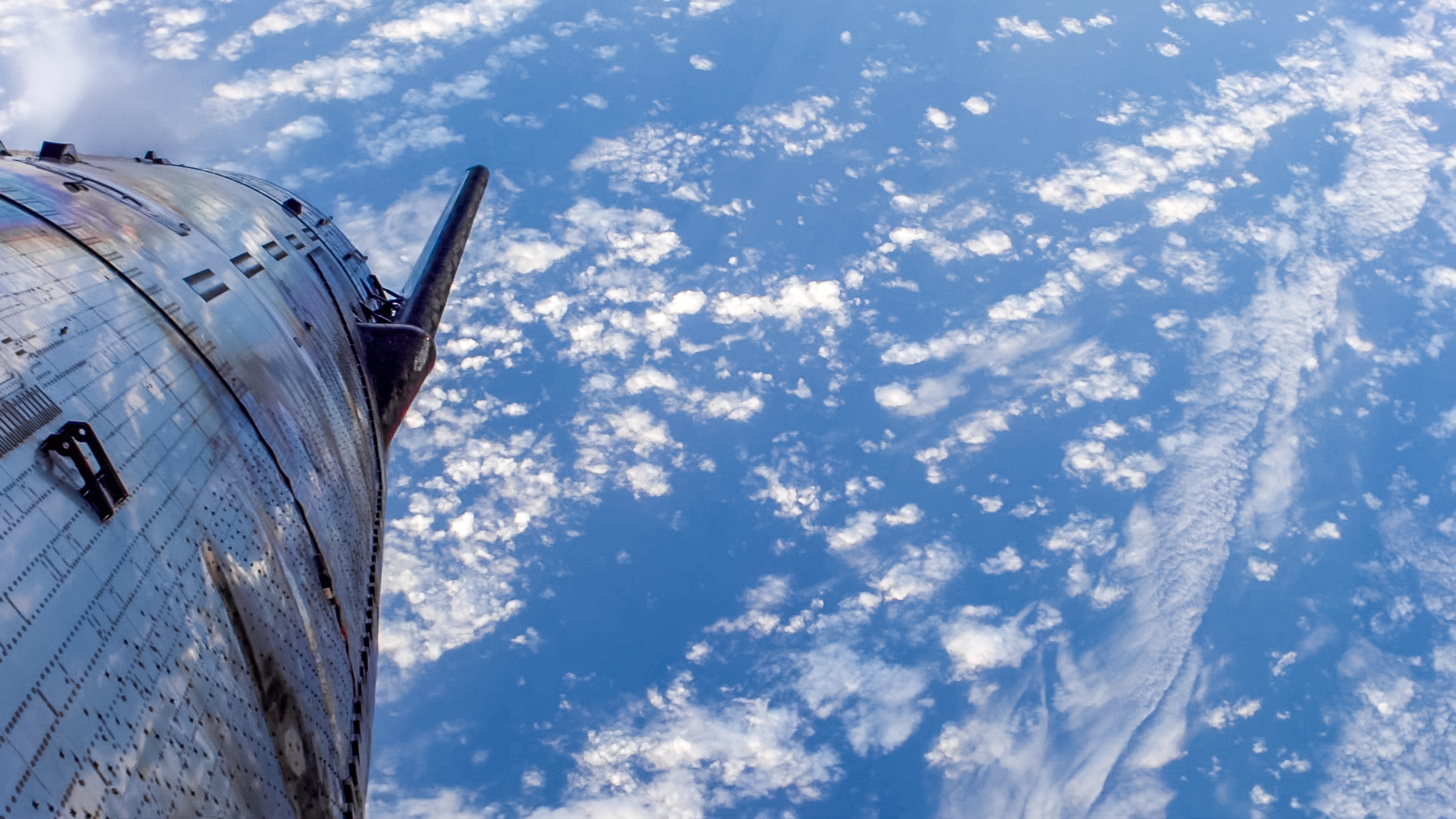
Greetings fellow space enthusiasts! Let’s talk about a critical aspect of spaceflight: protecting astronauts from the forces of G-force during ascent and reentry. As we all know, reaching orbit and returning to Earth require immense forces, and the astronauts inside the spacecraft must be shielded from these effects to prevent injury or even death. In fact, G-forces can be so intense that they can cause vision loss, lung damage, and even loss of consciousness. This is why NASA and SpaceX have carefully engineered the Crew Dragon spacecraft to mitigate these forces and ensure the safety of its astronauts.
During ascent, the G-force on astronauts can reach as high as 4-5 Gs (4-5 times the force of gravity). To put that in perspective, a typical aircraft might encounter G-forces of around 2-3 Gs during high-G maneuvers. To combat this, the Crew Dragon's seats and restraints are specifically designed to distribute the forces of G-force across the astronaut's body, minimizing the impact on vital organs. In fact, the seats are equipped with a system of pads and straps that can adjust to different G-force levels, ensuring that the astronaut remains securely in place.
But G-force isn't the only concern during reentry. As the spacecraft plunges back into the Earth's atmosphere, air friction generates even greater forces, often exceeding 8 Gs. To mitigate this, the Crew Dragon's heat shield and thermal protection system are designed to withstand these forces while protecting the spacecraft and its occupants. The heat shield is made up of ceramic tiles and blankets that can withstand temperatures of up to 3,000°F (1,649°C), while the thermal protection system helps to maintain a stable pressure and temperature environment inside the spacecraft.
In addition to these physical design features, NASA and SpaceX also employ mathematical models to simulate G-force loads on the spacecraft and its occupants. By testing these models with actual crew members, they can refine the design to ensure that the G-forces encountered during ascent and reentry are within safe limits. For example, during the Crew Dragon's maiden test flight in 2020, the spacecraft reached a max G-force of around 4.4 G, well within the safe limits set by NASA.
In conclusion, the G-force limitations placed on the Crew Dragon spacecraft are designed to ensure the safety of its astronauts during ascent and reentry. By combining innovative design features, careful materials selection, and rigorous testing protocols, NASA and SpaceX can confidently send human beings to and from space, knowing that the risks of G-force exposure have been minimized. #CrewDragon #SpaceX #NASA #AstronautSafety #Gforce #SpaceFlight #Reentry #Ascent #ThermalProtection #HeatShield
Humanize