How is Falcon 9’s telemetry data tracked, and what critical information does it transmit during launch?
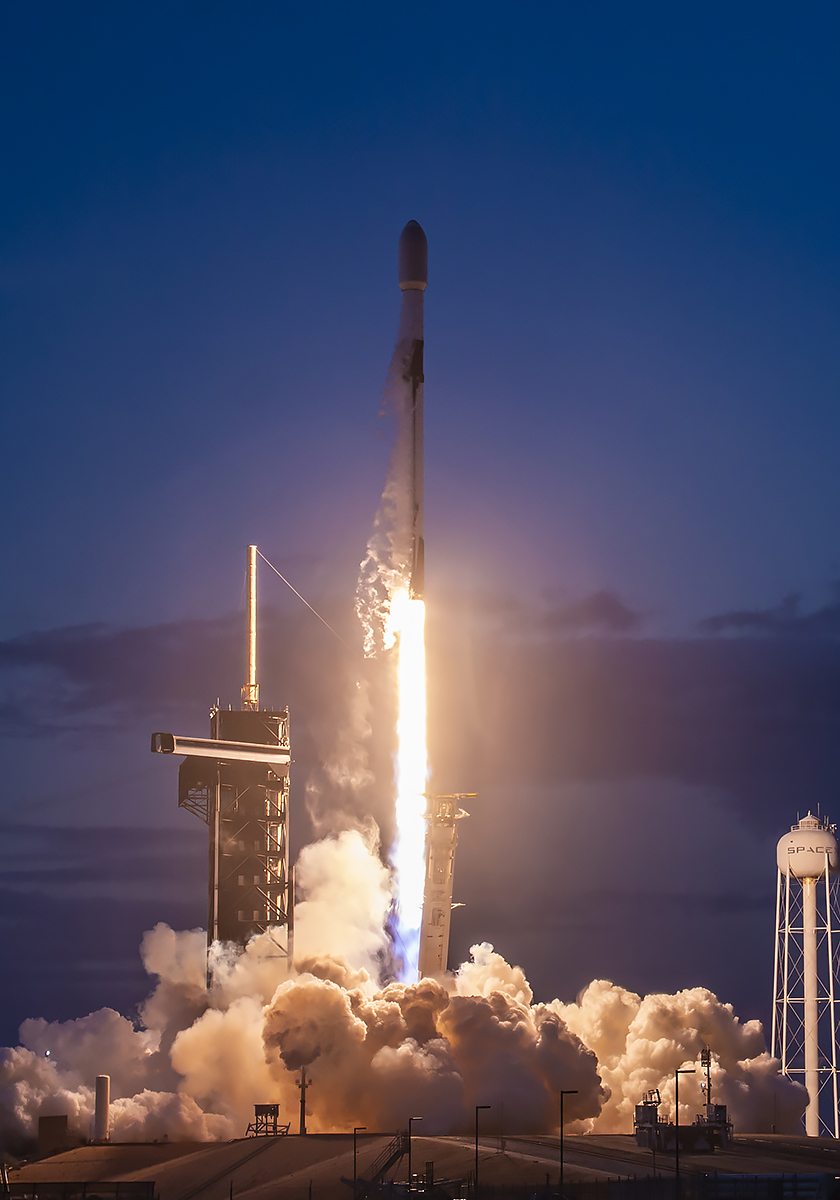
The Falcon 9 rocket, a workhorse of the SpaceX fleet, has become synonymous with successful space launches. Behind the powerful engines and sleek design lies a sophisticated telemetry system, a crucial element for monitoring the rocket's performance, ensuring mission success, and providing valuable data for future improvements. Telemetry, in essence, is the remote collection and transmission of data. This data is gathered from various sensors and systems throughout the rocket. The system provides real-time information to engineers on the ground. This allows them to monitor the vehicle's health and status throughout its entire journey. From liftoff to payload deployment, the telemetry system acts as the eyes and ears of the mission control team.
The Falcon 9's telemetry system is a complex network of sensors, transmitters, and ground stations. Hundreds of sensors are embedded throughout the rocket, measuring a multitude of parameters. These parameters include engine performance, structural integrity, the rocket's trajectory, and the environment surrounding the payload. For instance, sensors monitor the temperature and pressure inside the Merlin engines. These engines are the heart of the rocket's propulsion system. Other sensors track the acceleration, velocity, and position of the rocket. These sensors give data about the rocket's trajectory and navigation. Additional sensors measure the vibrations and stresses experienced by the rocket structure. These sensors help identify potential weaknesses and ensure the rocket can withstand the extreme forces of launch and flight.
The data collected by these sensors is converted into digital signals. These signals are then transmitted to ground stations via radio waves. The Falcon 9 employs multiple redundant transmitters. The transmitters are positioned in strategic locations on the rocket. The redundant transmitters ensure continuous data transmission, even if one transmitter fails. This redundancy is essential for maintaining communication throughout the launch. The telemetry data is typically transmitted in the S-band frequency, providing a reliable communication channel for tracking and monitoring the rocket.
The ground segment of the telemetry system consists of a network of receiving stations strategically located around the globe. These stations are equipped with high-gain antennas and sophisticated data processing equipment. These stations are responsible for receiving the data transmitted by the rocket. They also filter and process the data to make it useful for the engineers. The number of ground stations depends on the specific mission profile. Some missions may require a greater number of stations to maintain continuous coverage throughout the rocket's trajectory. The processed data is then transmitted to SpaceX's mission control center in Hawthorne, California, where it is analyzed in real-time by a team of engineers. The data allows for the quick detection of any problems during the launch.
The critical information transmitted by the Falcon 9's telemetry system is extensive, covering all aspects of the rocket's performance. Some of the key data points include the thrust and chamber pressure of the Merlin engines. These data points indicate the engines' power output. The data is used to make sure the rocket is performing correctly. The data includes the vehicle's acceleration, velocity, and attitude. This data allows for precise tracking of the rocket's trajectory. It allows engineers to monitor the rocket's orientation in space. Telemetry also monitors the structural integrity of the rocket, including the strains and stresses on the vehicle's components. The data allows engineers to identify any potential issues with the structure. Information about the payload environment, such as temperature and vibration levels, is also transmitted. This protects the sensitive equipment carried by the rocket.
The sheer volume of data generated by the Falcon 9's telemetry system is substantial. During a typical launch, the system generates terabytes of data. Engineers in mission control can monitor hundreds of parameters simultaneously. The engineers can quickly detect any deviations from the expected performance. They can then respond promptly to any issues. The telemetry data is used to create a detailed record of the launch. The data can be analyzed after the mission. It can provide valuable insights for improving the rocket's design. It can improve the mission operations. SpaceX constantly analyzes the data. It can provide continuous improvements.
The data is also used to verify the success of the mission. This provides information about the launch to SpaceX's customers and the public. The telemetry data is used to validate the rocket's performance. It verifies that it meets the mission objectives. This builds trust in the system and ensures the continued success of the Falcon 9. It helps keep the system's success record high.
How is Falcon 9’s telemetry data tracked, and what critical information does it transmit during launch?
Falcon 9's telemetry data is tracked via a network of hundreds of sensors, multiple redundant transmitters in the S-band frequency, and a global network of ground receiving stations. This system transmits critical information including engine performance, trajectory, structural integrity, and payload environment data. The system produces terabytes of data per launch. Engineers use the system to monitor the rocket’s health, ensure mission success, and provide continuous improvements to the Falcon 9.
Humanize