Know the Difference Between a Watch and a Warning
Know the Difference Between a Watch and a Warning
Severe weather can be a dangerous threat, but it's important to know the difference between a watch and a warning so you can take the necessary precautions.
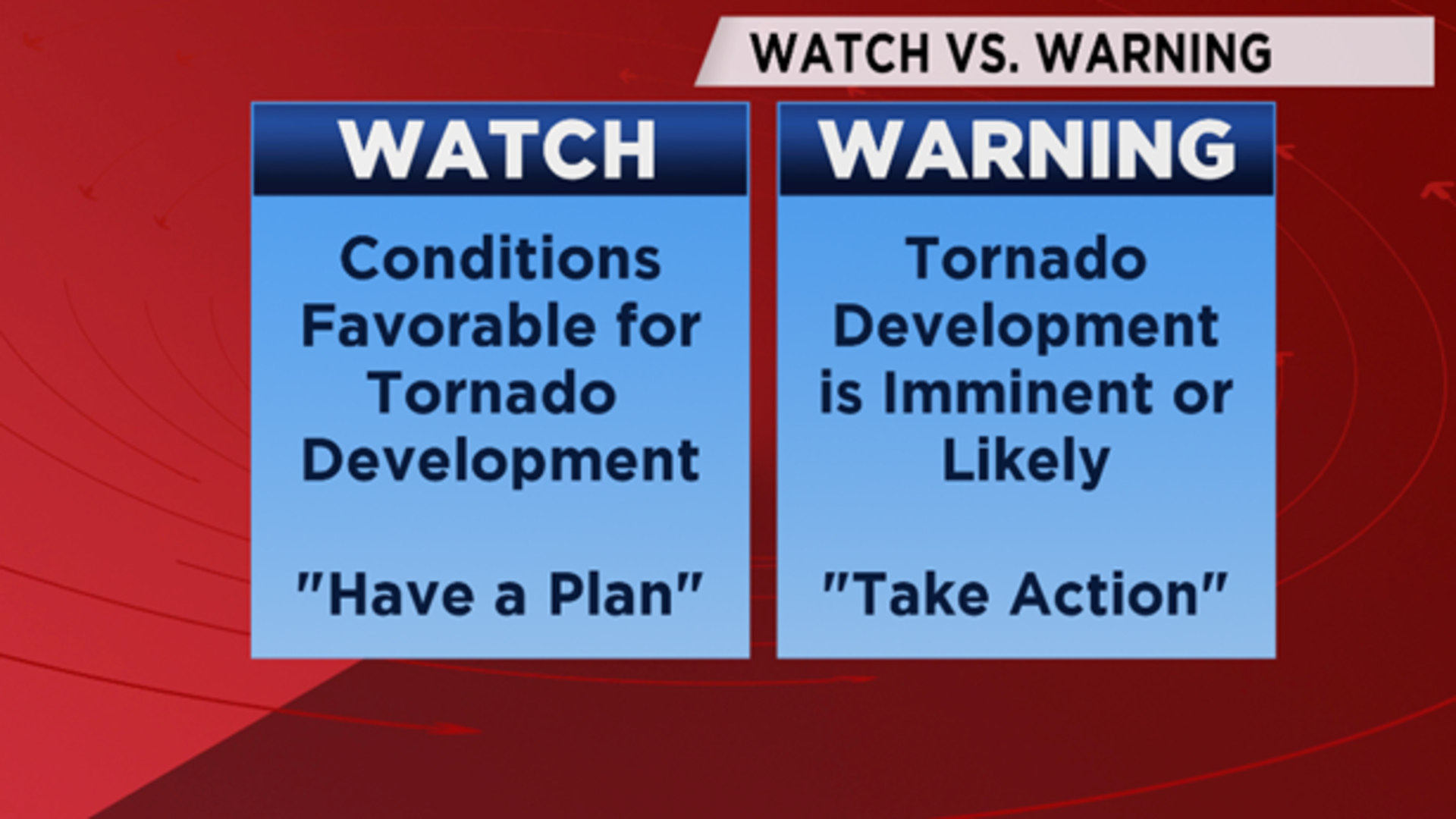
A watch means that conditions are favorable for severe weather to develop. This is the time to be aware and prepared, but it's not yet time to take action. A watch can cover a large area, so it's important to stay tuned to local weather forecasts and be ready to take shelter if a warning is issued.
A warning means that severe weather is happening now or is imminent. This is the time to take action and seek shelter immediately. A warning will typically be issued for a smaller area than a watch, so it's important to know your location and be aware of the potential threats.
Here are some examples of severe weather that can be accompanied by a watch or warning:
Tornadoes
Thunderstorms with large hail or high winds
Flash flooding
Winter storms
If you hear a watch or warning, it's important to take action immediately. Here are some tips for staying safe during severe weather:
Go to your designated safe place. This could be an interior room on the lowest level of your home, a basement, or a storm shelter.
Stay away from windows and doors.
If you're driving, pull over to a safe location and stay in your car.
Do not try to outrun severe weather.
By knowing the difference between a watch and a warning, you can be prepared to take the necessary precautions to stay safe during severe weather.
Here are some additional resources that can help you stay informed about severe weather:
The National Weather Service (NWS) website: https://www.weather.gov/
The NWS Storm Prediction Center: https://www.spc.noaa.gov/
The American Red Cross: https://www.redcross.org/
Stay safe and informed during severe weather!