SpaceX Booster 9 Static Fire Ended Early: Why?

SpaceX's Booster 9 static fire test on August 6, 2023, was ended early 2.36 seconds after ignition. The company has not yet released the official reason for the early termination, but there are a few possible explanations.
Advertisement
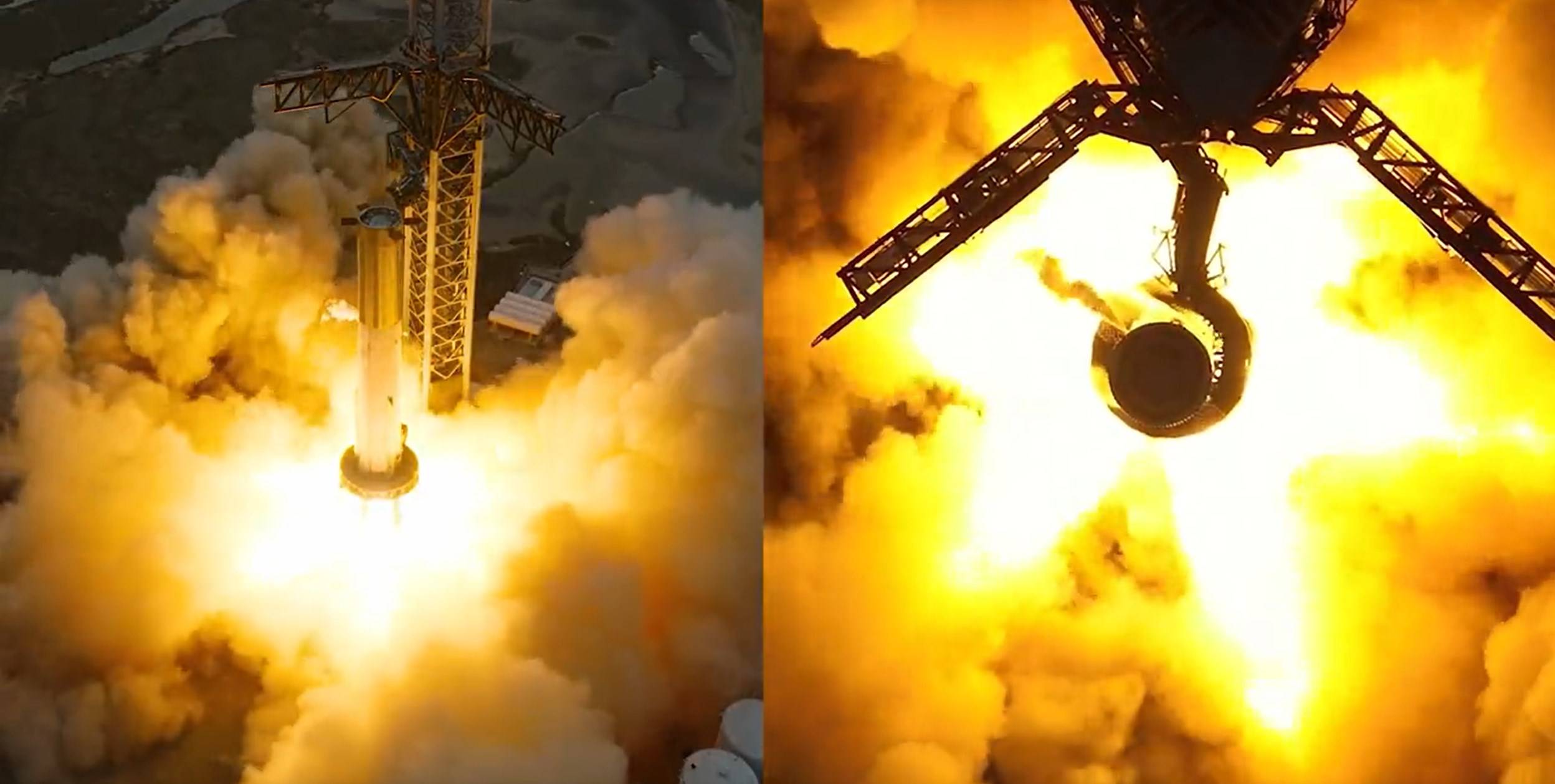
One possibility is that one or more of the 29 Raptor engines on the booster failed during the test. This could have been due to a number of factors, such as a problem with the engine itself, a problem with the fuel or oxidizer system, or a problem with the ignition system.
Another possibility is that the flight computer aborted the test early due to a safety concern. The flight computer is responsible for monitoring all of the systems on the rocket and shutting down the engines if something goes wrong. It is possible that the flight computer detected a problem with one of the engines or with another system on the rocket and aborted the test early.
Finally, it is also possible that the test was aborted early for a non-technical reason. For example, it is possible that there was a problem with the ground support equipment or that there was a weather issue.
SpaceX is still investigating the cause of the early termination of the test. Once they have identified the cause, they will likely release more information about it.
Why are static fire tests important?

Static fire tests are a normal part of the development process for rockets. The purpose of these tests is to identify and fix any problems with the rocket before it is launched.
During a static fire test, the rocket is anchored to the ground and its engines are fired for a short period of time. This allows engineers to test the engines and other systems on the rocket without actually launching it.
Static fire tests are important because they can help to prevent accidents during launch. By identifying and fixing any problems with the rocket before it is launched, engineers can reduce the risk of a failure during launch.
What does this mean for Booster 9?
The early termination of Booster 9's static fire test does not necessarily mean that there is a serious problem with the rocket. It is possible that the problem was minor and can be easily fixed.
However, it is also possible that the problem is more serious and will require more time to fix. This could delay the launch of Booster 9 and the Starship spacecraft.
SpaceX has not yet announced a new launch date for Booster 9 and the Starship spacecraft. The company is still investigating the cause of the early termination of the static fire test and developing a fix.
Conclusion
SpaceX is still investigating the cause of the early termination of Booster 9's static fire test. Once they have identified the cause, they will likely release more information about it.
In the meantime, it is important to note that static fire tests are a normal part of the development process for rockets. The purpose of these tests is to identify and fix any problems with the rocket before it is launched. The early termination of Booster 9's static fire test does not necessarily mean that there is a serious problem with the rocket.
Advertisement
FAQs on Why SpaceX Booster 9's Static Fire Ended Early
1. Why was Booster 9's static fire test ended early?
SpaceX has not yet publicly released the reason why Booster 9's static fire test was ended early. However, there are a few possible explanations, including:
- One or more of the 29 Raptor engines on the booster failed during the test.
- The flight computer aborted the test early due to a safety concern.
- The test was aborted early for a non-technical reason, such as a problem with the ground support equipment or a weather issue.
2. Is there a serious problem with Booster 9?
SpaceX is still investigating the cause of the early termination of the test. Once they have identified the cause, they will be able to assess whether there is a serious problem with Booster 9.
3. Will the early termination of the static fire test delay the launch of Booster 9 and the Starship spacecraft?
It is possible that the early termination of the static fire test will delay the launch of Booster 9 and the Starship spacecraft. However, SpaceX has not yet announced a new launch date.
4. How often do static fire tests end early?
Static fire tests do not typically end early. However, it is not uncommon for static fire tests to be aborted early due to a safety concern.
5. Are static fire tests important?
Yes, static fire tests are very important. They help engineers to identify and fix any problems with the rocket before it is launched.
6. What is the purpose of a static fire test?
The purpose of a static fire test is to test the engines and other systems on the rocket without actually launching it.
7. How is a static fire test performed?
During a static fire test, the rocket is anchored to the ground and its engines are fired for a short period of time. Engineers then monitor the data from the rocket to identify any problems.
8. What happens if a problem is found during a static fire test?
If a problem is found during a static fire test, the engineers will work to fix the problem. Once the problem is fixed, the engineers will reschedule the static fire test.
9. What are some of the benefits of conducting static fire tests?
Static fire tests offer a number of benefits, including:
- They help to identify and fix any problems with the rocket before it is launched.
- They help to ensure the safety of the rocket and its crew.
- They help to reduce the risk of a failure during launch.
10. What are some of the challenges of conducting static fire tests?
Static fire tests can be complex and challenging to conduct. Some of the challenges include:
- Ensuring that the rocket is properly anchored to the ground.
- Firing the engines safely and without damaging the rocket.
- Monitoring the data from the rocket and identifying any problems.
Overall, static fire tests are an important part of the development process for rockets. They help to ensure the safety of the rocket and its crew.