What computer and software is used by the Falcon 9?
Unlocking Space Secrets: Discover the Cutting-Edge Computer & Software Powering Falcon 9 🚀 Dive into SpaceX's Tech Marvel!

Introduction
In the realm of space exploration and commercial satellite launches, the Falcon 9 by SpaceX has emerged as a pioneering force. One of the crucial elements that contribute to its success is the advanced computer and software systems that power this remarkable rocket. This article delves into the intricacies of the computer and software technology that drive the Falcon 9, ensuring its efficiency, reliability, and success.
Advertisement
Falcon 9 Overview

The Falcon 9 is a two-stage orbital launch vehicle developed by SpaceX, renowned for its reusability and cost-effectiveness in delivering payloads to various orbits. At the heart of its operations are cutting-edge computer systems and software that orchestrate the rocket's journey from liftoff to payload deployment.
What computer and software is used by the Falcon 9?
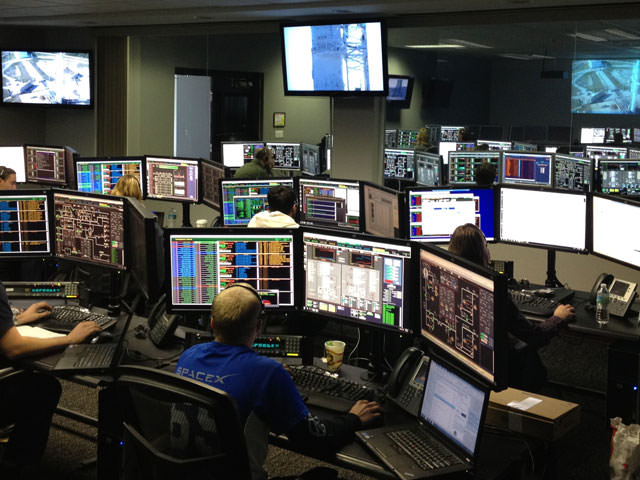
The Falcon 9 is a two-stage-to-orbit (TSTO) medium-lift launch vehicle developed by SpaceX. It is capable of lifting payloads of up to 22,800 kilograms (50,200 lb) to low Earth orbit (LEO).
The Falcon 9 uses a triple redundant computer system to control its flight. Each of the three computers is a dual-core x86 processor running an instance of Linux. The flight software is written in C/C++ and runs in the x86 environment.
The computer system is designed to be fault-tolerant, meaning that it can continue to operate even if one or two of the computers fail. The computers are arranged in an "actor-judge" system, where each computer performs the same calculations and compares its results to the other computers. If there is a disagreement, the computers vote on which result to use. If two computers agree on a result, that result is used. If all three computers disagree, the system enters a safe mode and aborts the launch.
The Falcon 9's computer system is one of the most advanced in the world. It is designed to withstand the harsh environment of space and to provide reliable control of the rocket during launch and ascent.
In addition to the main computer system, the Falcon 9 also has a number of smaller computers that control individual subsystems of the rocket, such as the engines, the grid fins, and the avionics. These computers are also based on x86 processors and run Linux.
The software used on the Falcon 9 is designed to be simple and reliable. It is written in C/C++ and is extensively tested before it is used on a flight. The software is also designed to be modular, so that individual components can be easily replaced or upgraded.
The computer and software system on the Falcon 9 is a critical part of the rocket's success. It is responsible for controlling the rocket during launch and ascent, and it ensures that the rocket arrives at its target destination safely.
Here are some additional details about the computer and software used on the Falcon 9:
- The three computers are located in different parts of the rocket to protect them from damage in the event of a launch failure.
- The computers communicate with each other using a high-speed network.
- The flight software is constantly being updated to improve its performance and reliability.
- SpaceX has a team of software engineers who are responsible for developing and maintaining the flight software.
The computer and software system on the Falcon 9 is a marvel of engineering. It is a testament to the ingenuity and dedication of the SpaceX team that they have been able to develop such a reliable and capable system.
Advertisement
On-Board Computer Systems
The Falcon 9 boasts a network of onboard computers that operate in tandem to monitor and control various aspects of the rocket's flight. These computers utilize redundant architecture to ensure reliability, allowing for seamless transitions in case of a failure in one unit. The guidance, navigation, and control systems work harmoniously to keep the Falcon 9 on its designated trajectory.
Software Utilization
The software suite employed by the Falcon 9 encompasses a range of functionalities, from pre-launch checks to in-flight adjustments. This software aids in propellant management, engine optimization, and stage separation events. It enables real-time communication between the rocket and ground control, facilitating the execution of intricate maneuvers with precision.
Proprietary Systems
SpaceX takes pride in its proprietary technology, which extends to the computer systems and software utilized in the Falcon 9. The company's in-house development approach allows for tailored solutions that align with specific mission requirements. This proprietary advantage sets the Falcon 9 apart from conventional rockets.
Software Development
The process of developing software for the Falcon 9 is a meticulous endeavor. SpaceX's engineering teams work rigorously to create and refine algorithms that govern flight behavior, responsiveness, and fault tolerance. The iterative development approach ensures that the software evolves in sync with the rocket's evolving capabilities.
Maintenance and Updates
Maintaining the Falcon 9's software integrity is of paramount importance. Regular updates and patches are deployed to enhance performance, address vulnerabilities, and incorporate lessons learned from previous missions. The ability to remotely update software ensures that the Falcon 9 remains adaptable and cutting-edge.
Ensuring Reliability
The Falcon 9's computer systems and software undergo rigorous testing to ensure they can withstand the harsh conditions of space travel. Simulations and extensive ground tests verify the software's response to various scenarios, guaranteeing reliability even in the face of unforeseen challenges.
Continuous Improvements
SpaceX's commitment to innovation is evident in its continuous efforts to improve the Falcon 9's computer systems and software. Lessons from each mission are fed back into the development process, leading to advancements in automation, efficiency, and safety protocols.
Advertisement
Conclusion
In the dynamic landscape of space technology, the Falcon 9 stands as a testament to human ingenuity. Its reliance on sophisticated computer systems and software is a pivotal factor in its success. As SpaceX continues to push the boundaries of space exploration, the evolution of these technologies will undoubtedly shape the future of space travel.
FAQs
Q1: What makes Falcon 9's software unique?
The Falcon 9's software is unique due to its proprietary development, tailored to the rocket's specific requirements.
Q2: How does SpaceX ensure software reliability?
SpaceX conducts rigorous testing, simulations, and continuous updates to ensure the software's reliability.
Q3: Can Falcon 9's software be updated after launch?
Yes, Falcon 9's software can be updated remotely to enhance performance and address vulnerabilities.
Q4: What role do onboard computers play in Falcon 9's flight?
Onboard computers manage guidance, navigation, and control, ensuring the rocket follows its designated trajectory.
Q5: How does Falcon 9 contribute to space exploration?
Falcon 9's advanced software and computer systems enable cost-effective and reliable access to space, driving progress in exploration.
Advertisement