Why is NASA building its own rocket for the moon mission when it could use SpaceX's?
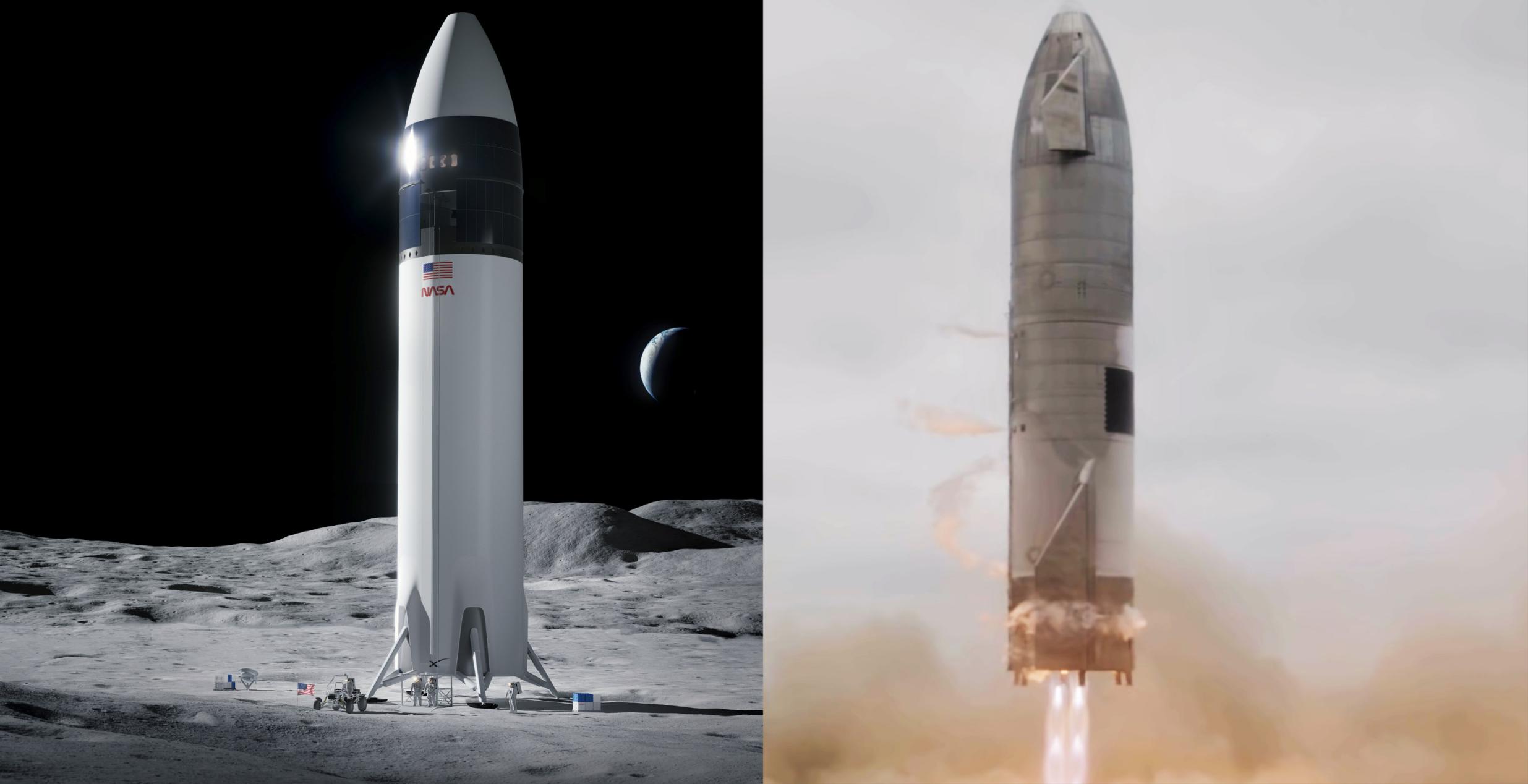
Why NASA Is Building Its Own Rocket for the Moon Mission
NASA is building its own rocket for the moon mission for a number of reasons. Some of these reasons include:
- To ensure redundancy. If NASA relies on a single provider for its rockets, it could be in trouble if that provider encounters delays or problems. By building its own rocket, NASA can ensure that it has a backup plan in case of any unforeseen challenges.
- To maintain its expertise in rocketry. NASA has a long history of building and launching rockets, and it wants to make sure that it retains that expertise. By building its own rocket for the moon mission, NASA can ensure that it is keeping its skills sharp and that it is ready to take on future challenges.
- To save money. NASA estimates that it will cost about $20 billion to develop and build the Space Launch System (SLS), its new rocket for the moon mission. SpaceX has estimated that it would cost about $10 billion to develop and build its Starship rocket, which is also capable of sending humans to the moon. By building its own rocket, NASA believes that it can save money in the long run.
Advertisement
Of course, there are also some risks associated with NASA building its own rocket. The SLS is a very complex project, and there is always the possibility that it could encounter delays or problems. Additionally, the SLS is a very expensive rocket, and it is not clear whether NASA will be able to get the funding it needs to complete the project.
Overall, NASA believes that the benefits of building its own rocket for the moon mission outweigh the risks. By ensuring redundancy, maintaining its expertise, and saving money, NASA believes that it is making the best decision for the future of space exploration.
Advertisement
In addition to the reasons mentioned above, NASA is also building its own rocket for the moon mission in order to support its commercial partners. NASA wants to create a competitive environment in the space industry, and it believes that building its own rocket will help to do that. By providing a clear path to the moon, NASA is hoping to attract more companies to the space industry and to spur innovation.
Only time will tell whether NASA's decision to build its own rocket for the moon mission was the right one. However, it is clear that NASA is taking a calculated risk in order to ensure the success of its Artemis program.
Advertisement
SpaceX Starship vs. NASA SLS
In addition to the reasons mentioned above, it is also worth comparing the capabilities of SpaceX Starship and NASA SLS to see which rocket is better suited for the moon mission.
SpaceX Starship is a fully reusable rocket that is still under development. It is designed to be capable of transporting humans to the moon and Mars. Starship is much larger than the SLS, and it has the potential to be much more cost-effective. However, Starship is also a much riskier project, and it is not clear when it will be ready for launch.
Advertisement
NASA SLS is a large, expendable rocket that is currently being developed. It is designed to be capable of transporting humans to the moon and beyond. The SLS is more mature than Starship, and it is likely to be ready for launch sooner. However, the SLS is also much more expensive than Starship, and it is not as reusable.
Ultimately, the decision of whether to use SpaceX Starship or NASA SLS for the moon mission will depend on a number of factors, including cost, risk, and schedule. NASA is still evaluating its options, and it is not clear which rocket it will choose. However, it is clear that both SpaceX Starship and NASA SLS have the potential to revolutionize space exploration.