Whispers from the Cosmos: How Falcon 9's Telemetry System Speaks Volumes During Flight
How does Falcon 9's Telemetry and Communication System ensure real-time data transmission during different phases of a mission?
Imagine a colossal metal beast hurtling through the cosmic void, a silent giant amidst the celestial ballet. Yet, unbeknownst to most, it’s constantly engaged in a silent dialogue with Earth, whispering vital secrets back home. This intricate conversation is orchestrated by the Falcon 9's Telemetry and Communication System, the nervous system connecting the fiery giant to our watchful eyes. But how exactly does this system ensure real-time data transmission during the rocket's breathtaking journey?
Advertisement
A Network of Sensing and Sending:
Advertisement
The Falcon 9's telemetry system is a complex web of sensors, antennas, and data processors, tirelessly gathering and transmitting crucial information throughout the mission:
- Launch: As the rocket screams skyward, a multitude of sensors monitor every twitch and rumble. Engine temperatures, fuel levels, airspeed, and flight path are all meticulously recorded and transmitted back to Earth in real-time, allowing engineers to monitor performance and make any necessary adjustments.
- Orbit Insertion: Once the rocket reaches its designated altitude, the focus shifts to achieving the perfect orbit. The telemetry system tracks the rocket's position and velocity with pinpoint accuracy, guiding ground control through the delicate maneuvers required for orbital insertion.
- Deployment: If carrying satellites or other payloads, the telemetry system relays critical data during deployment. Confirmation of separation, payload health, and orbital parameters are all seamlessly transmitted, ensuring a smooth and successful delivery.
- Reentry and Landing: The fiery descent back to Earth is perhaps the most data-intensive phase. The telemetry system becomes a frantic messenger, reporting on temperatures, G-forces, and grid fin positioning, allowing precise control for a safe and accurate landing.
Speaking the Language of the Cosmos:
This whisper-thin data stream utilizes various communication technologies:
Advertisement
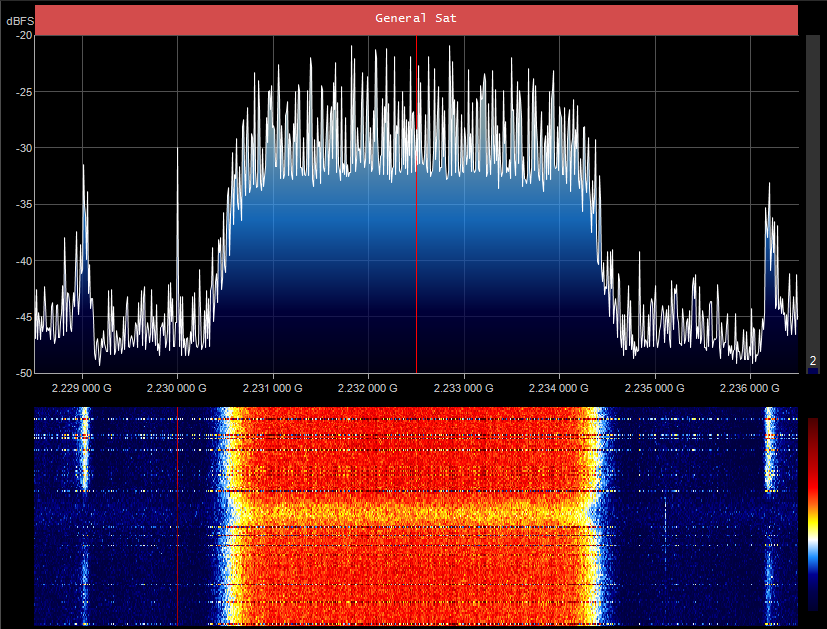
- S-Band: This robust, long-range communication channel provides the primary data link between the rocket and ground control. It transmits critical telemetry and allows for two-way communication, enabling emergency commands if needed.
- X-Band: This higher-frequency channel offers increased bandwidth, ideal for transmitting large amounts of data, such as video footage from onboard cameras. This provides valuable insights into the rocket's performance and environment, especially during deployment and landing.
- Ku-Band: For missions venturing beyond Earth's orbit, the high-bandwidth Ku-Band communication system comes into play. It allows for reliable communication with spacecraft in deep space, essential for missions to Mars and beyond.
From Whispers to Decisions:
Advertisement
The data received from the Falcon 9's telemetry system isn't just numbers on a screen. It's the lifeblood of mission control, informing and guiding critical decisions at every stage:
- Real-time monitoring: Engineers use the data to assess the rocket's health, identify potential issues early, and make adjustments to optimize performance.
- Flight trajectory adjustments: Based on the incoming data, ground control can make course corrections in real-time, ensuring the rocket stays on its intended path.
- Landing guidance: The precise telemetry data guides the delicate maneuvers during reentry and landing, allowing for pinpoint accuracy and safe touchdown.
Revolutionizing Spaceflight: A Symphony of Innovation
The Falcon 9's Telemetry and Communication System is a testament to human ingenuity, playing a crucial role in the rocket's remarkable success. It has:
- Enhanced mission reliability: Real-time data transmission allows for quick identification and resolution of potential issues, minimizing the risk of mission failure.
- Optimized performance: The constant flow of data allows engineers to fine-tune the rocket's performance, reducing fuel consumption and maximizing efficiency.
- Paved the way for reusability: The ability to monitor the rocket's condition in real-time is crucial for safe and controlled landings, enabling the reusability of Falcon 9 rockets and significantly reducing launch costs.