The first stage booster of the 7 satellites that were launched by Rocket Lab was recovered.
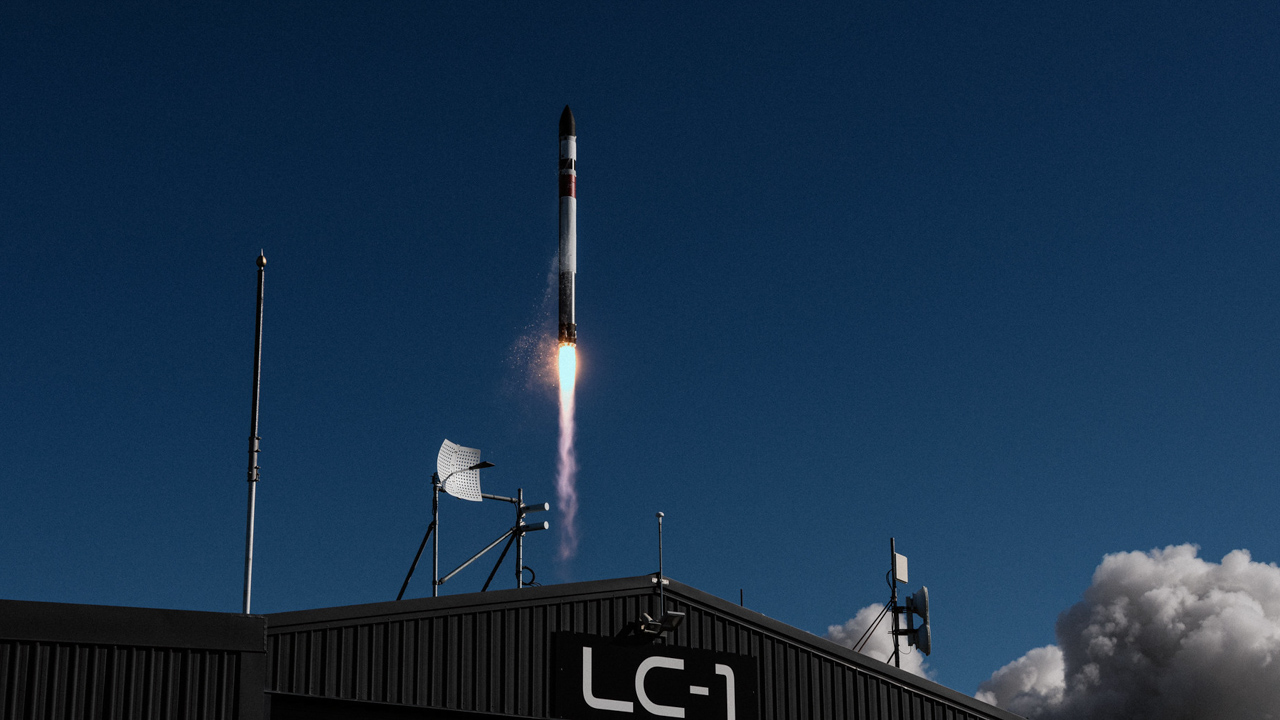
The Baby Come Back mission successfully lifted off from Launch Complex 1B on the Mahia Peninsula in New Zealand. Payloads deployed for NASA, Spire Global, and SmallerSats? The electron booster successfully recovered. MISSION SUCCESS was called for Electron's 39th launch.
After speeding through the atmosphere, the first stage deployed a drogue chute to begin the deceleration of the first stage. The first stage featured a number of improvements over past recovered first stages, including better seal to keep seawater out of critical areas around the interstage and engine areas. The rocket was hoisted out of the water with two lift point crane system, which created less stress, and the parachute system was upgraded. It is unlikely this rocket will fly again, but there is a high chance 1 or more of the engines could make another flight as the company marches forward to reusability of the entire first stage.
The Starling mission will test in-space communications, navigation, and maneuvers between the craft. The satellites carry the Global navigation Satellite System Radio Occultation (GNSS-RO) payloads, which will be used to replenish their current constellation. Finally, coming in at an hour and 45 minutes and 2 more burns of the 3d printed Curie engine, the Telesat 3 demonstration satellite Baby Came Back can now be said by Rocket Lab. Richard Angle is not a shareholder of the company.
.