Taming the Fiery Beast: Cooling Innovations for Starship's Raptors
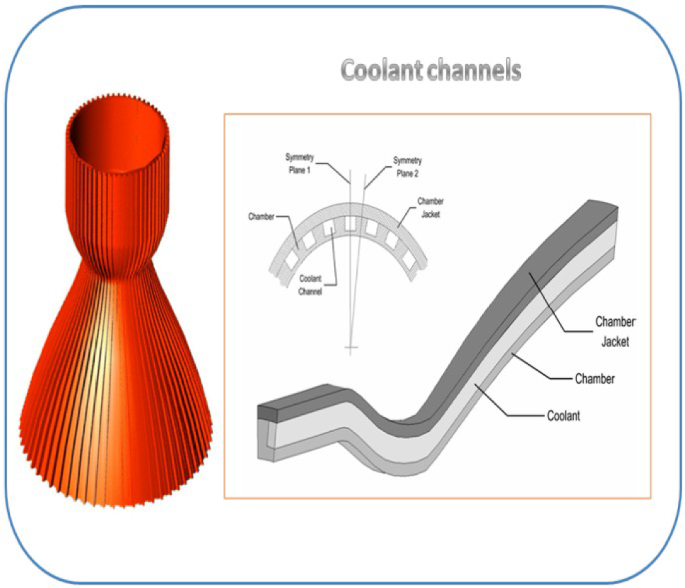
Advancements or innovations in regenerative cooling technology specifically tailored for Starship's unique requirements?
SpaceX's Starship, a behemoth designed to ferry humans and cargo to Mars and beyond, faces a fiery challenge: the immense heat generated by its Raptor engines. To survive the scorching inferno and ensure reusability, Starship relies on cutting-edge regenerative cooling technology. But what makes Starship's cooling system unique, and what innovations are pushing the boundaries of thermal management?
Advertisement
The Heart of the Beast: Raptor Engines and the Heat They Generate
Advertisement
Starship's mighty Raptor engines, burning a potent mix of methane and liquid oxygen, produce a staggering amount of heat – reaching over 3,300 degrees Celsius (6,000 degrees Fahrenheit) in the combustion chamber. This scorching inferno could easily melt the engine's components, rendering Starship a fiery Icarus plummeting back to Earth.
Enter the Regenerative Hero: Keeping Cool with Cutting-Edge Technology
Advertisement
Starship's regenerative cooling system acts as a thermal knight in shining armor. It works by:
Advertisement
- Circulating a subcooled propellant: Liquid methane, kept at extremely low temperatures (-210°C or -346°F), is pumped through channels lining the combustion chamber and injector.
- Absorbing heat: As the scorching hot gases from the combustion chamber come into contact with the subcooled methane, they transfer their heat, cooling the engine and heating the methane.
- Returning to the cycle: The heated methane is then sent back to the pre-coolers, where it's chilled again, ready to repeat the cycle.
This closed-loop system not only protects the engine from melting but also improves efficiency by preheating the fuel before injection, leading to more complete combustion and better engine performance.
Innovations for an Extreme Frontier: Pushing the Limits of Cooling
While the basic principle of regenerative cooling remains the same, Starship's engineers are constantly innovating to push the boundaries of thermal management:
- 3D-printed channels: Replacing traditional machined channels with 3D-printed ones allows for complex geometries and improved heat transfer efficiency.
- Advanced materials: Research into new high-temperature alloys and composite materials is crucial for building engines that can withstand even higher operating temperatures.
- Additive manufacturing: Utilizing additive manufacturing techniques enables the creation of intricate cooling channels and structures, further optimizing heat dissipation.
The Future of Cooling: Towards Reusable Rockets and Beyond
Starship's innovative cooling system paves the way for a future of reusable rockets and cost-effective space travel. By mastering the art of taming the fiery beast within, SpaceX sets the stage for humanity's audacious leap towards Mars and beyond. The next generation of engines, fueled by these cooling advancements, promises even greater thrust, efficiency, and reliability, opening doors to a future where the cosmos is no longer an unattainable dream, but a playground for the human spirit.